








Shipping included*
Exclusions
Additional shipping fees may apply in rare circumstances for deliveries outside standard service areas. In most cases, this only potentially affects shipments to the Northwest Territories and Yukon, as well as certain heavy or oversized items.
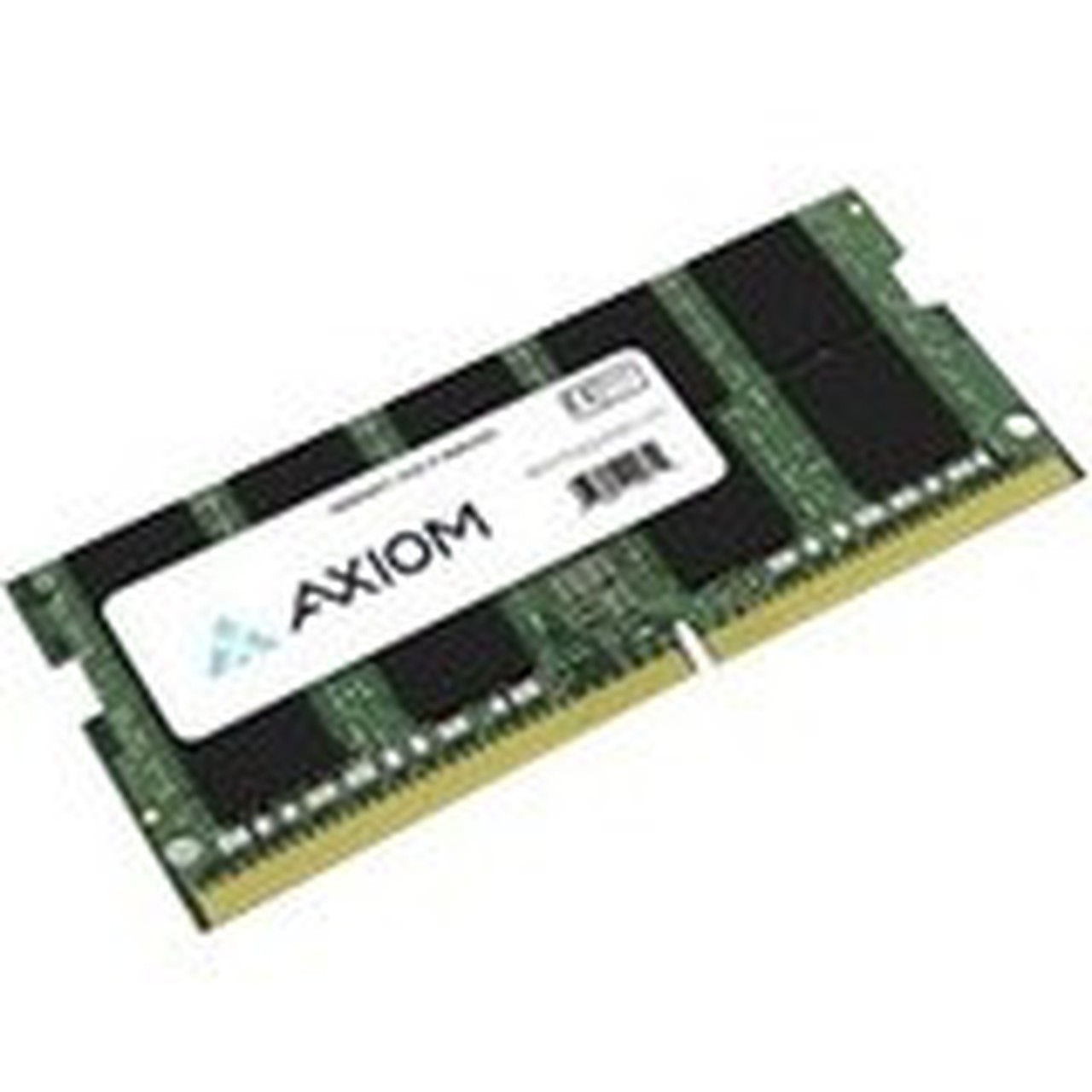
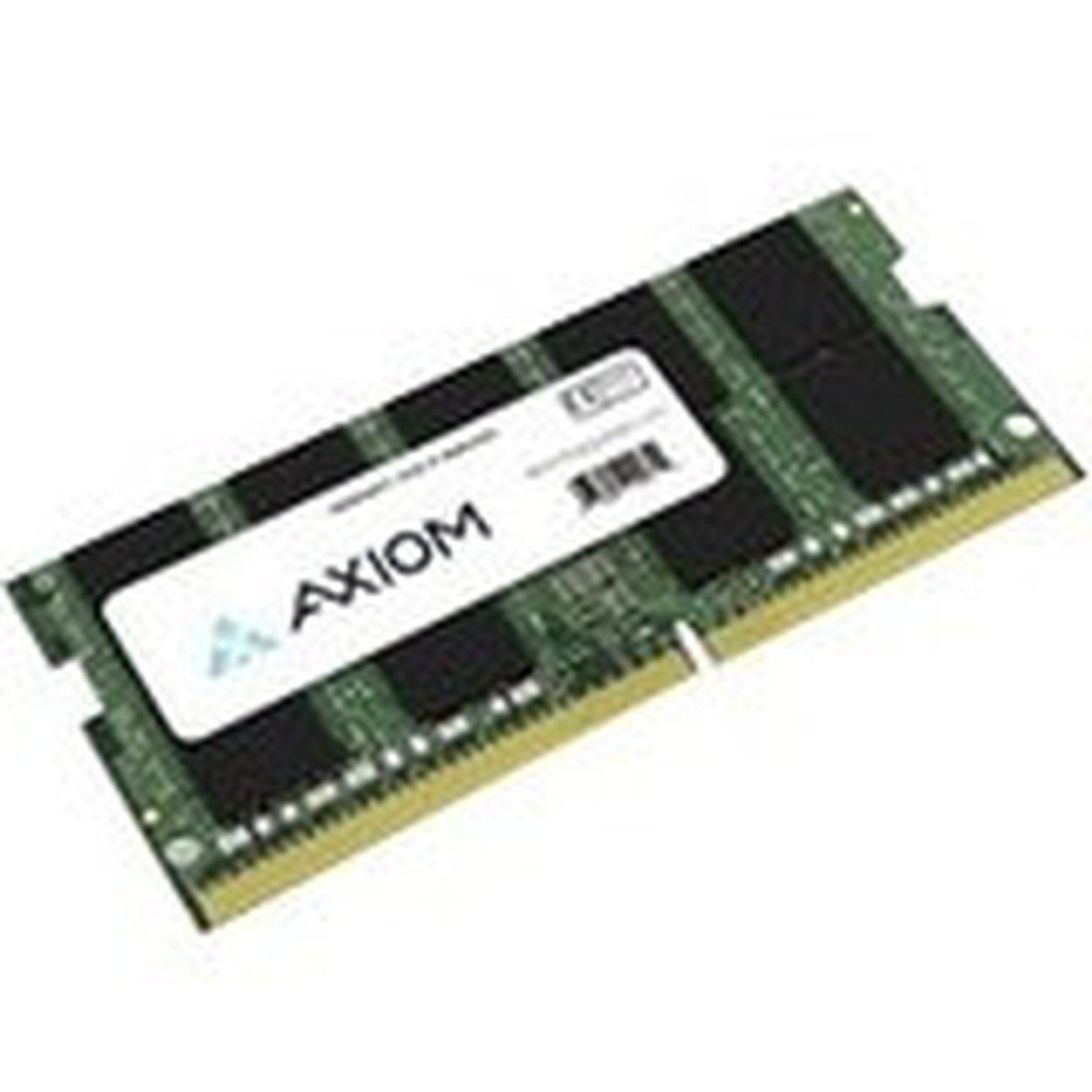
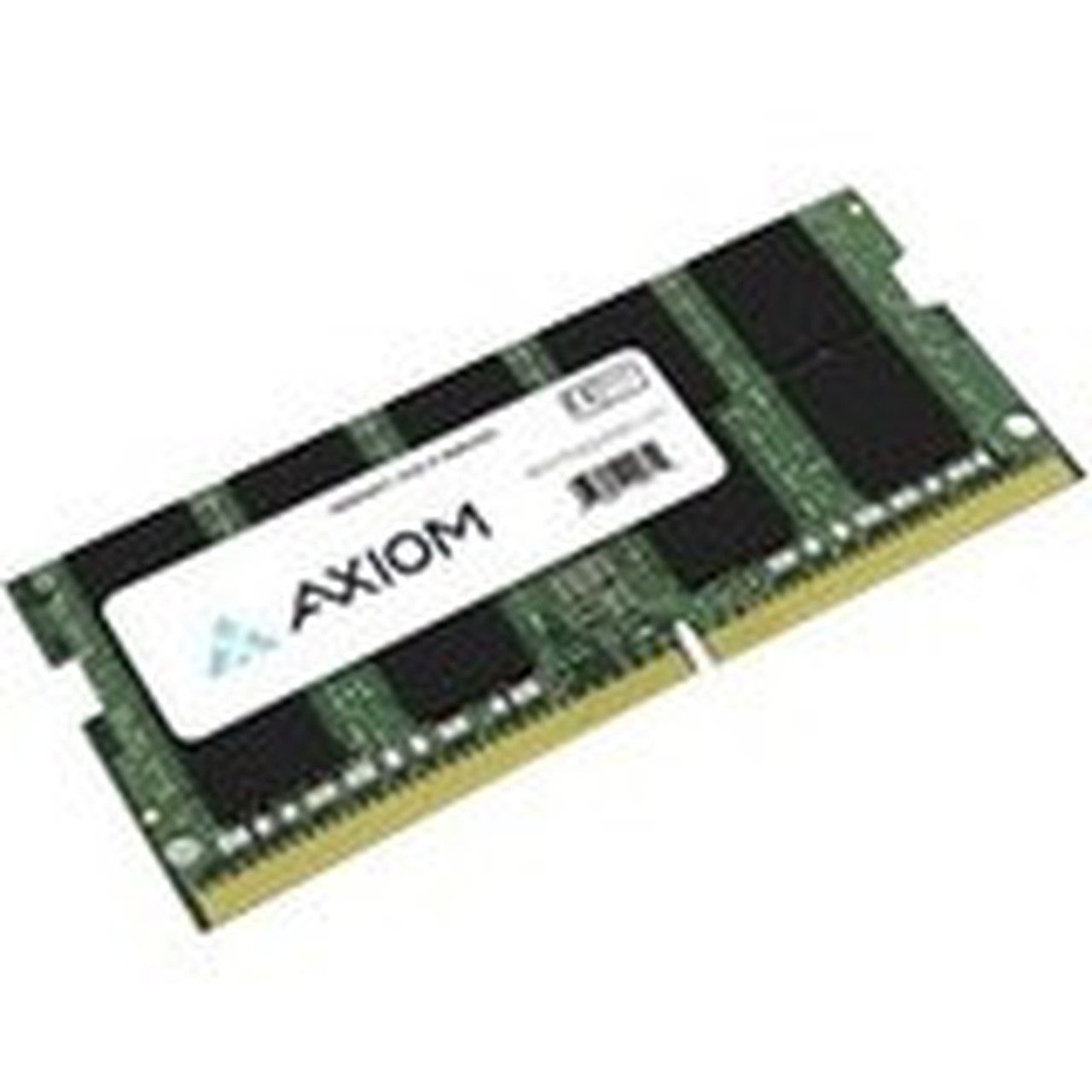
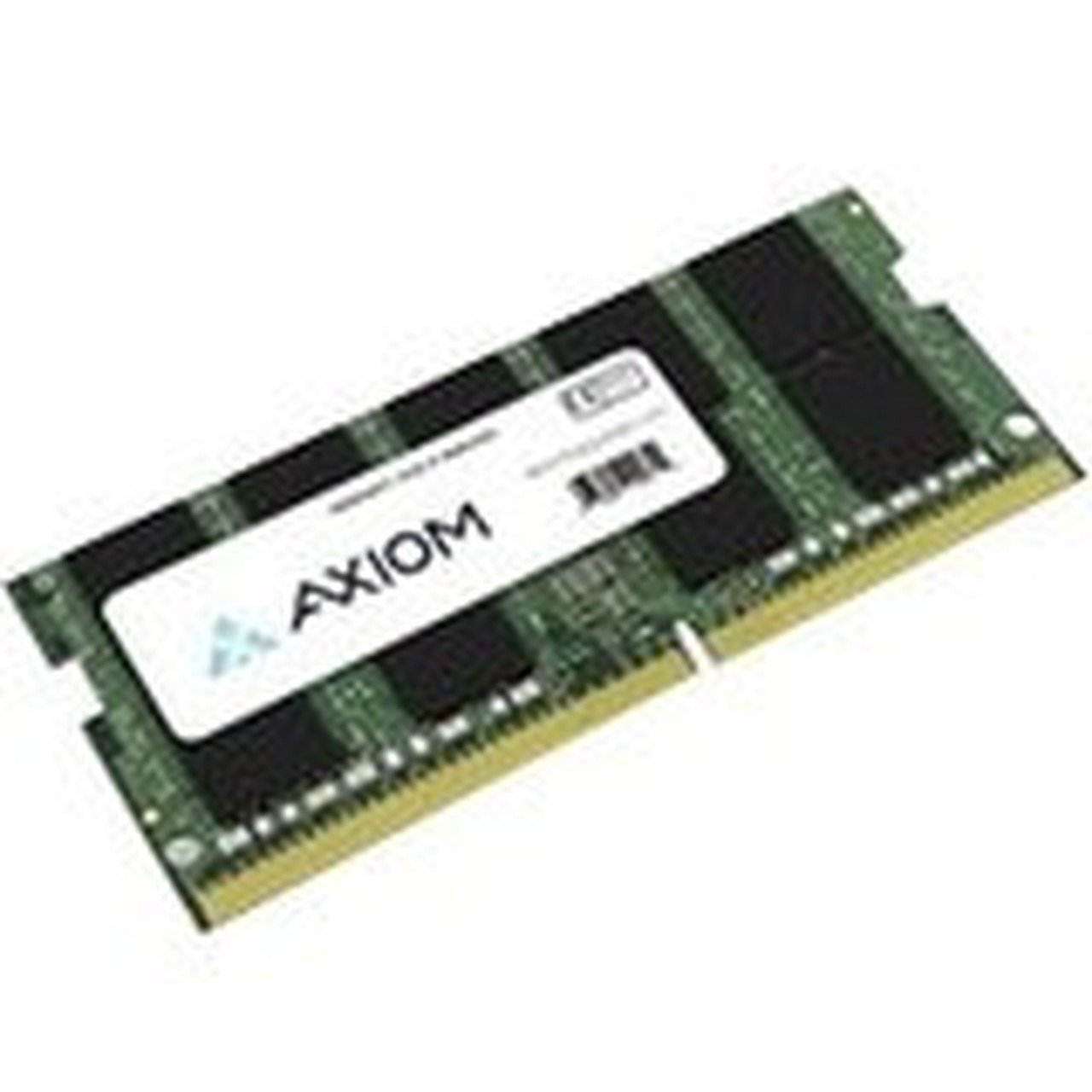
Axiom AX42666ES19B/16G 16GB DDR4-2666 ECC SODIMM - 1 x 16GB 260-Pin Notebook Memory

Business volume discounts
Technical guidance
Preparation & staging
QC · ON · AB · BC
Product Features
Product Overview
The Axiom AX42666ES19B/16G is a 16GB DDR4-2666 ECC SODIMM notebook memory module designed for reliable performance upgrades in compatible systems. This single-module memory solution delivers 16GB of capacity using DDR4 SDRAM technology operating at 2666 MHz with PC4-21300 standard compatibility.
Engineered specifically for notebook platforms, this SODIMM module features 260-pin configuration and ECC error checking for enhanced data integrity. The unbuffered signal processing and CL19 latency timing ensure responsive performance for demanding applications while maintaining compatibility with systems requiring ECC memory support.
Relevant factors for this section include Memory Size, Memory Technology, Number of Modules, Number of Pins. When those points are considered together, they give buyers a clearer picture of how the product is equipped, how it fits into deployment, and what kind of day-to-day role it is meant to support.
Technical Overview
This memory module operates at 2666 MHz with DDR4-2666/PC4-21300 standard compliance, providing efficient data transfer rates that minimize processor idle time. The CL19 timing specification ensures balanced performance for notebook applications requiring both speed and reliability.
The ECC error checking capability detects and corrects single-bit memory errors, making this module suitable for systems where data integrity is critical. Unbuffered signal processing maintains direct communication between the memory controller and DRAM chips without additional buffering latency.
Relevant factors for this section include Memory Size, Memory Technology, Number of Modules, Number of Pins. When those points are considered together, they give buyers a clearer picture of how the product is equipped, how it fits into deployment, and what kind of day-to-day role it is meant to support.
A strong technical summary explains how the product's interfaces, hardware profile, and operating characteristics work together in real deployment. Buyers often need this context to confirm compatibility with existing devices, expected performance in daily use, and whether installation will be straightforward for IT staff or end users.
Key Product Advantages
This Axiom memory module delivers reliable 16GB capacity with DDR4-2666 performance in a single-module configuration. The combination of 2666 MHz speed, ECC protection, and notebook-specific design makes it an ideal upgrade for systems requiring both performance and data integrity.
Enhanced Data Integrity
ECC error checking provides automatic detection and correction of single-bit memory errors, reducing system crashes and data corruption in mission-critical notebook applications.
- Detects single-bit errors
- Corrects errors automatically
- Improves system stability
Notebook-Optimized Design
The 260-pin SODIMM form factor is specifically engineered for notebook compatibility, offering space-efficient memory expansion without compromising performance or reliability.
- 260-pin SODIMM configuration
- Compact form factor
- Direct notebook compatibility
Deployment / Use Cases
This DDR4-2666 ECC SODIMM is designed for notebook systems that benefit from both increased memory capacity and enhanced error correction. The 16GB single-module configuration simplifies upgrades while providing substantial memory resources for multitasking and complex applications.
Deploy this memory in professional notebook environments where system stability and data accuracy are priorities. The ECC capability makes it particularly valuable for applications involving financial calculations, database operations, scientific simulations, or any workload where memory errors could have significant consequences.
Notebook Performance Upgrades
Ideal for upgrading compatible notebook systems that support ECC memory and require additional 16GB capacity for demanding applications like data analysis, engineering software, or virtualization.
Mission-Critical Mobile Workstations
Suitable for mobile workstations and business notebooks where data integrity is essential, such as financial analysis systems, scientific computing platforms, or CAD/CAM workstations on the go.
Highlights
- 16GB capacity in single DDR4 SODIMM module
- 2666 MHz operating speed with DDR4-2666/PC4-21300 standard
- ECC error checking for enhanced data integrity
- 260-pin SODIMM form factor for notebook compatibility
- Unbuffered signal processing for direct memory access
- CL19 latency timing for balanced performance
- Designed specifically for notebook systems
- RoHS compliant for environmental responsibility
Specifications
| Specifications | |
|---|---|
| Manufacturer | Axiom Memory Solutions |
| Manufacturer Part Number | AX42666ES19B/16G |
| Brand Name | Axiom |
| Product Name | 16GB DDR4-2666 ECC SODIMM - AX42666ES19B/16G |
| Product Type | RAM Module |
| Technical Information | |
| Memory Size | 16 GB |
| Memory Technology | DDR4 SDRAM |
| Number of Modules | 1 x 16GB |
| Memory Speed | 2666 MHz |
| Memory Standard | DDR4-2666/PC4-21300 |
| Error Checking | ECC |
| Signal Processing | Unbuffered |
| CAS Latency | CL19 |
| Device Supported | Notebook |
| Physical Characteristics | |
| Number of Pins | 260-pin |
| Form Factor | SODIMM |
| Miscellaneous | |
| Environmentally Friendly | Yes |
| Environmental Compliance | Restriction of Hazardous Substances (RoHS) |
FAQ
What type of systems is this memory module compatible with?
This Axiom memory module is designed for notebook systems that support DDR4-2666 memory with ECC capability and 260-pin SODIMM form factor. It requires a compatible notebook memory slot that accepts 260-pin SODIMM modules and supports ECC error checking. Always verify your system's specific memory requirements before installation.
What does ECC memory provide compared to non-ECC memory?
ECC (Error-Correcting Code) memory detects and corrects single-bit memory errors automatically, enhancing system stability and data integrity. This is particularly valuable for mission-critical applications where memory errors could cause crashes or data corruption. Non-ECC memory lacks this error correction capability, making ECC memory preferable for systems requiring maximum reliability.
What is the difference between unbuffered and registered memory?
This module uses unbuffered signal processing, meaning it communicates directly with the memory controller without additional buffering chips. Unbuffered memory typically has lower latency than registered memory but may have different compatibility requirements. Registered memory includes a register between the memory controller and DRAM chips, which can support higher capacities but adds slight latency.
How does the 2666 MHz speed benefit notebook performance?
The 2666 MHz operating speed enables faster data transfer between the memory and processor, reducing bottlenecks in memory-intensive applications. This higher speed can improve overall system responsiveness, particularly when running multiple applications simultaneously, processing large datasets, or using memory-demanding software like virtualization platforms or engineering applications.
What does CL19 latency mean for this memory module?
CL19 refers to CAS Latency 19, which indicates the number of clock cycles between a memory controller request and data availability. CL19 represents the timing specification for this DDR4-2666 module, balancing speed with stability. Lower latency numbers typically mean faster response times, but actual performance depends on the complete memory subsystem and compatibility with your notebook's architecture.
Can this single 16GB module be used with existing memory in a notebook?
This depends on your notebook's specific memory configuration and compatibility. Many notebooks support mixed memory configurations, but for optimal performance and compatibility, it's recommended to use identical modules in matching slots. Verify your notebook's maximum supported memory, available slots, and whether it supports the combination of ECC and non-ECC memory before mixing different module types.
| Qty | Price | Available |
|---|