





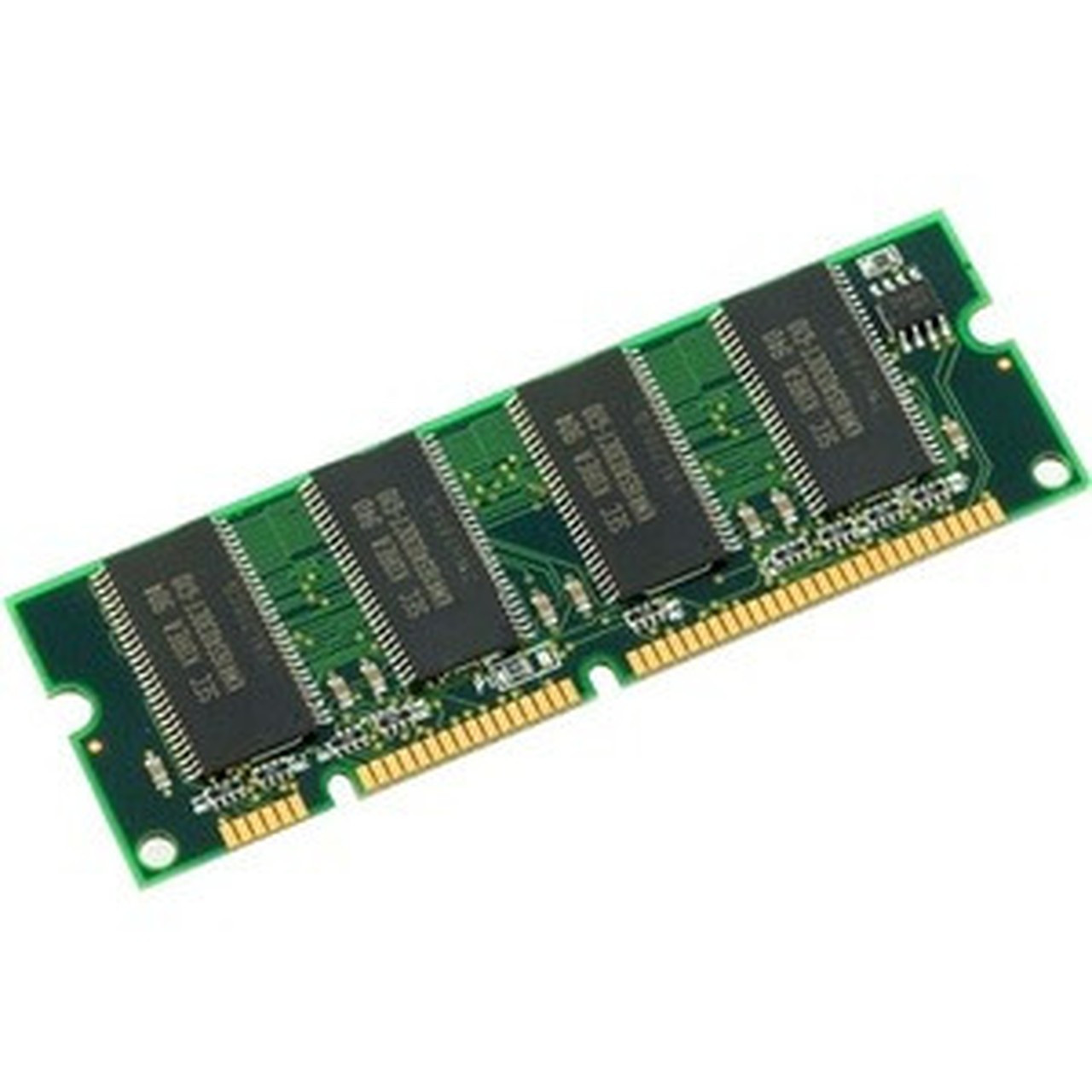
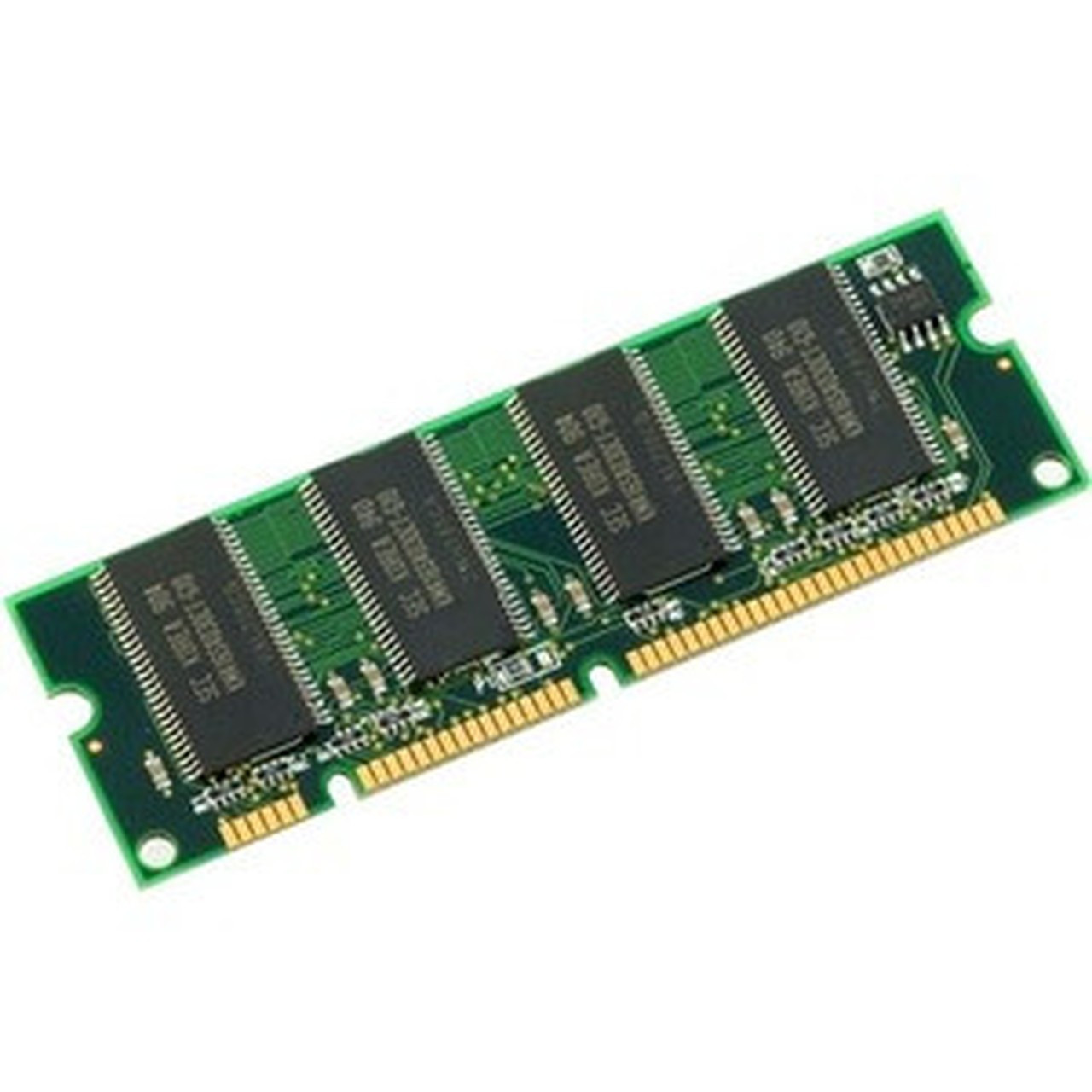
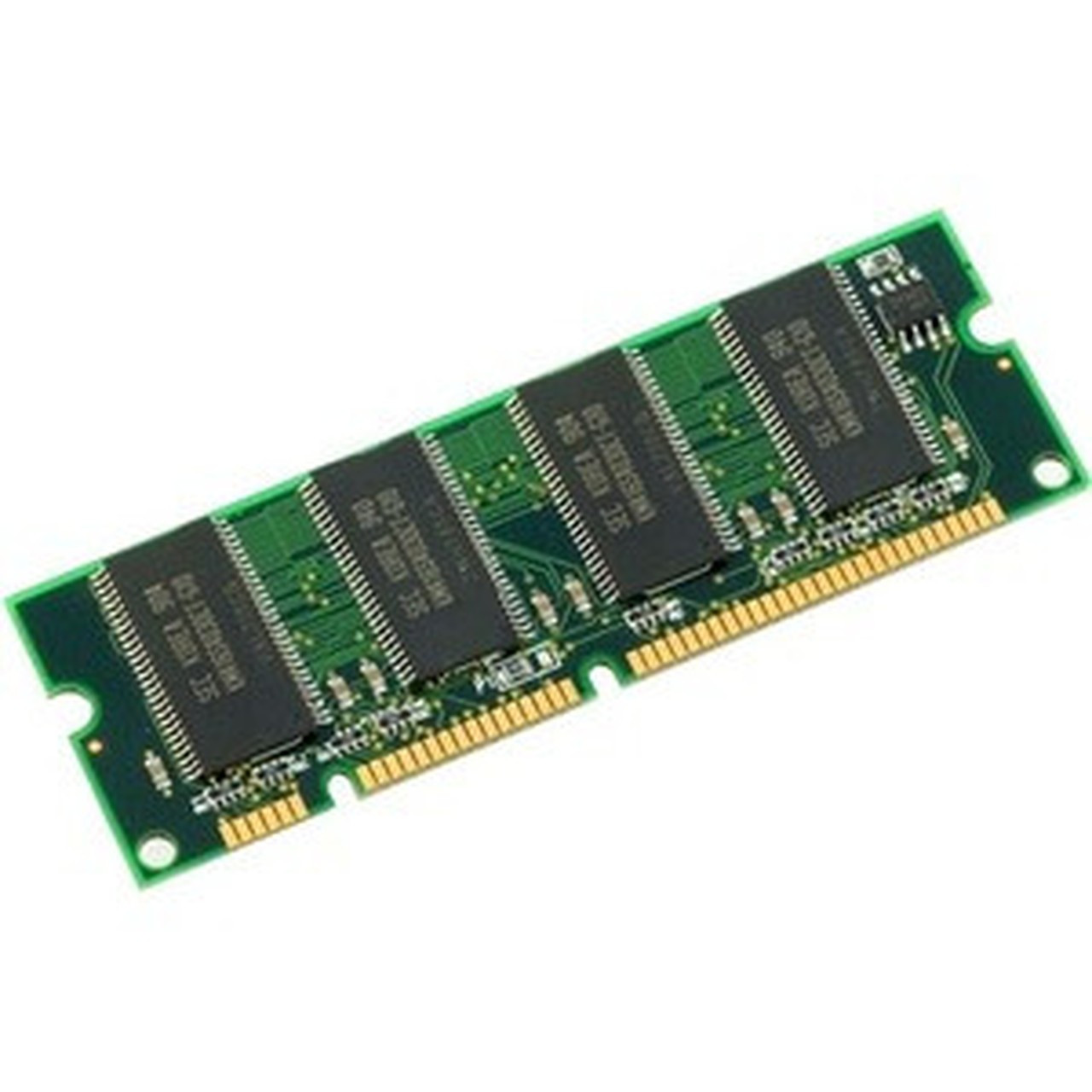
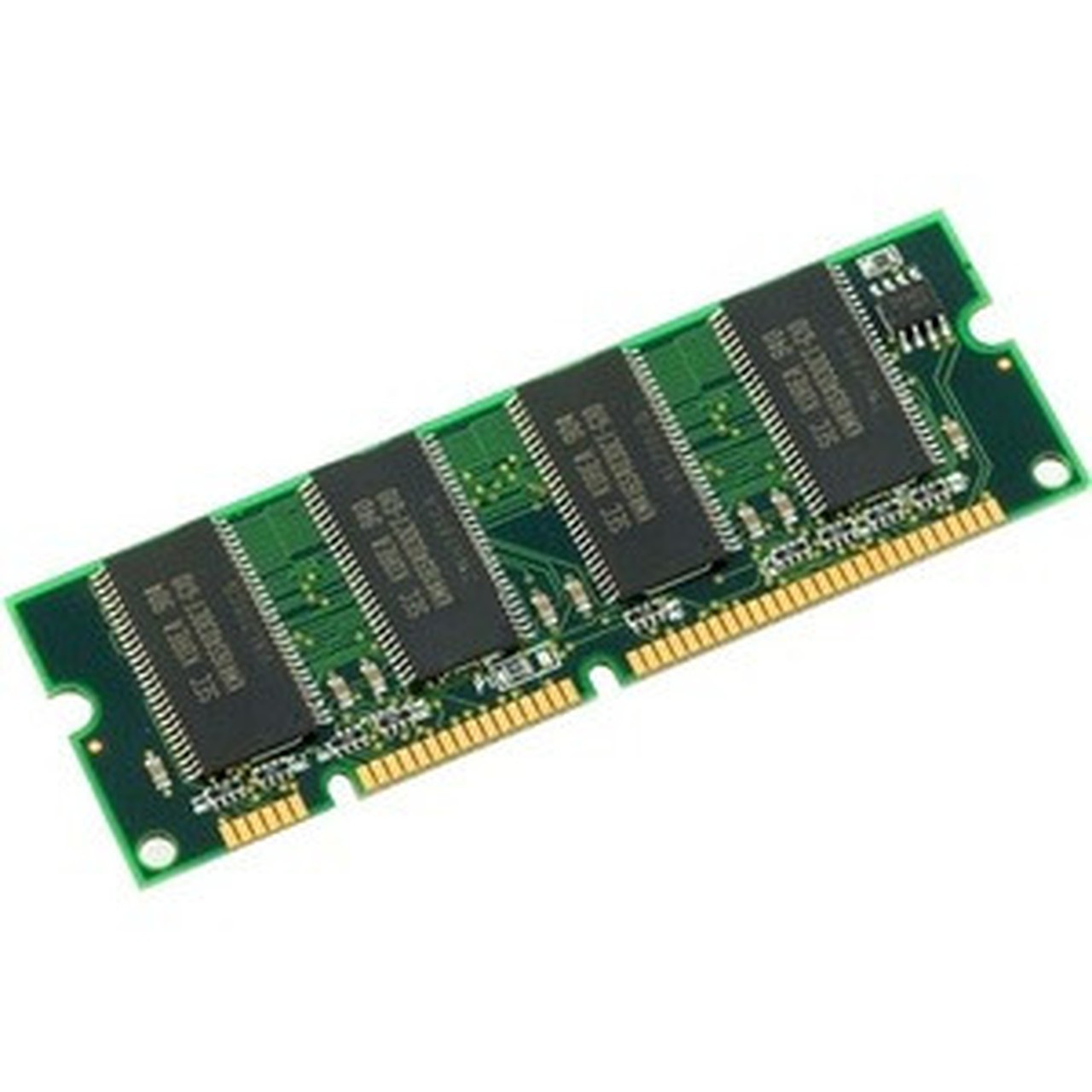



Axiom MEM-MSFC2-256MB-AX 256MB DRAM Module for Cisco - PC-133133 MHz - ECC - Unregistered - 144-pin

Business volume discounts
Technical guidance
Preparation & staging
QC · ON · AB · BC
Product Features
Product Overview
The Axiom MEM-MSFC2-256MB-AX is a dedicated 256MB DRAM module engineered specifically for Cisco Catalyst 6000 Series MSFC2 modules. This memory upgrade delivers reliable performance enhancement for network infrastructure, supporting the demanding data processing requirements of enterprise routing and switching environments.
Built to exacting compatibility standards, this module integrates seamlessly with existing Cisco hardware architectures. The PC-133 interface ensures stable data transfer across electrical components, while the 133 MHz operating speed maintains synchronization with system timing requirements. This memory solution provides a straightforward capacity upgrade path for maintaining optimal network performance.
Relevant factors for this section include Memory Size, Memory Technology, Number of Modules, Number of Pins. When those points are considered together, they give buyers a clearer picture of how the product is equipped, how it fits into deployment, and what kind of day-to-day role it is meant to support.
Technical Overview
This DRAM module implements 256MB of memory capacity using standard DRAM technology. The single-module configuration simplifies installation while providing the complete specified capacity in one physical unit. The 133 MHz operating frequency aligns with PC-133 memory standards, ensuring compatibility with systems designed for this specification.
Error Checking and Correction (ECC) functionality detects and corrects single-bit memory errors, enhancing data integrity for critical network operations. The unregistered signal processing design maintains direct communication between the memory controller and DRAM chips without intermediate buffering, optimizing signal timing for the target application environment.
Relevant factors for this section include Memory Size, Memory Technology, Number of Modules, Number of Pins. When those points are considered together, they give buyers a clearer picture of how the product is equipped, how it fits into deployment, and what kind of day-to-day role it is meant to support.
Key Product Advantages
This memory module offers several distinct advantages for network infrastructure upgrades. The specific compatibility with Cisco Catalyst 6000 Series MSFC2 modules ensures reliable operation without compatibility concerns. The ECC implementation provides an additional layer of data protection for mission-critical networking applications where data integrity is paramount.
Targeted Compatibility
Designed exclusively for Cisco Catalyst 6000 Series MSFC2 modules, eliminating guesswork about system compatibility and ensuring proper electrical and timing characteristics.
- Direct replacement for original memory
- Validated for MSFC2 module architecture
- No compatibility testing required
Enhanced Reliability
ECC functionality automatically detects and corrects single-bit errors that can occur during memory operations, reducing the risk of data corruption in network processing.
- Single-bit error correction
- Improved data integrity
- Reduced system errors
Optimized Performance
The 133 MHz operating frequency combined with PC-133 interface standards delivers consistent data transfer rates that match the timing requirements of compatible systems.
- 133 MHz clock speed
- PC-133 compliance
- Stable data transfer
Deployment / Use Cases
This memory module serves as a capacity upgrade for existing Cisco Catalyst 6000 Series switches equipped with MSFC2 modules. Network administrators can install this DRAM to expand available memory for routing tables, access control lists, quality of service policies, and other memory-intensive networking functions.
Typical deployment scenarios include enterprise network core upgrades, data center edge switching enhancements, and campus network infrastructure improvements. The module is particularly valuable in environments where additional memory capacity is needed to support expanded network services, increased concurrent connections, or more complex routing configurations without replacing entire switching platforms.
Network Infrastructure Upgrades
Extend the service life and capability of existing Cisco Catalyst 6000 Series switches by adding memory capacity to handle growing network demands.
- Routing table expansion
- ACL capacity increase
- QoS policy memory
Performance Maintenance
Ensure consistent switching and routing performance as network complexity increases by providing additional memory resources for processing operations.
- Concurrent connection support
- Feature memory requirements
- System resource optimization
Highlights
- 256MB DRAM capacity for Cisco Catalyst 6000 Series MSFC2 modules
- PC-133 memory standard with 133 MHz operating speed
- ECC error checking for enhanced data integrity
- Unregistered signal processing design
- 144-pin configuration for physical compatibility
- Single-module implementation (1 x 256MB)
- Manufacturer part number: MEM-MSFC2-256MB-AX
- 90-day limited warranty coverage
Specifications
| Specifications | |
|---|---|
| Manufacturer | Axiom Memory Solutions |
| Manufacturer Part Number | MEM-MSFC2-256MB-AX |
| Brand Name | Axiom |
| Product Name | 256MB DRAM Module for Cisco - MEM-MSFC2-256MB |
| Product Type | RAM Module |
| Technical Information | |
| Memory Size | 256 MB |
| Memory Technology | DRAM |
| Number of Modules | 1 x 256MB |
| Memory Speed | 133 MHz |
| Memory Standard | PC-133 |
| Error Checking | ECC |
| Signal Processing | Unregistered |
| Physical Characteristics | |
| Number of Pins | 144-pin |
| Miscellaneous | |
| Compatibility | Cisco - Catalyst 6000 Series MSFC2 module |
| Warranty | |
| Limited Warranty | 90 Day Lifetime |
FAQ
What specific Cisco equipment is this memory module compatible with?
This DRAM module is designed exclusively for Cisco Catalyst 6000 Series switches that utilize the MSFC2 (Multilayer Switch Feature Card 2) module. It provides a compatible memory upgrade for these specific network switching platforms, ensuring proper electrical characteristics and timing alignment with the MSFC2 architecture.
What does the 133 MHz memory speed mean for performance?
The 133 MHz operating frequency indicates how quickly the memory module can process data cycles. This speed aligns with the PC-133 memory standard, providing sufficient bandwidth for the networking functions of compatible Cisco systems. It ensures synchronization with system timing requirements while delivering stable data transfer rates for routing and switching operations.
How does ECC functionality benefit this memory module?
Error Checking and Correction (ECC) automatically detects and corrects single-bit errors that can occur during memory operations. For network infrastructure applications, this provides an additional layer of data protection, reducing the risk of corrupted routing tables, access control lists, or packet processing data. This enhanced reliability is particularly valuable in mission-critical networking environments.
What is the difference between registered and unregistered memory?
This module uses unregistered (unbuffered) signal processing, meaning it communicates directly with the memory controller without intermediate buffering. This design maintains direct signal timing between the controller and DRAM chips, which is appropriate for the target application's architecture. Registered memory includes a register that buffers signals, typically used in systems requiring higher memory capacities or different electrical characteristics.
What does the 144-pin configuration indicate?
The 144-pin count specifies the physical interface between the memory module and the system's memory slot. This pin configuration matches the electrical and mechanical requirements of compatible Cisco MSFC2 modules, ensuring proper connection and signal transmission. The specific pin layout is designed for the target application's memory interface specifications.
Is this a single module or multiple modules?
This product consists of a single physical memory module that provides 256MB of total capacity. The specification '1 x 256MB' indicates one module delivering the complete 256MB memory size. This single-module implementation simplifies installation compared to configurations requiring multiple modules to achieve the same total capacity.
| Qty | Price | Available |
|---|