






Shipping included*
Exclusions
Additional shipping fees may apply in rare circumstances for deliveries outside standard service areas. In most cases, this only potentially affects shipments to the Northwest Territories and Yukon, as well as certain heavy or oversized items.
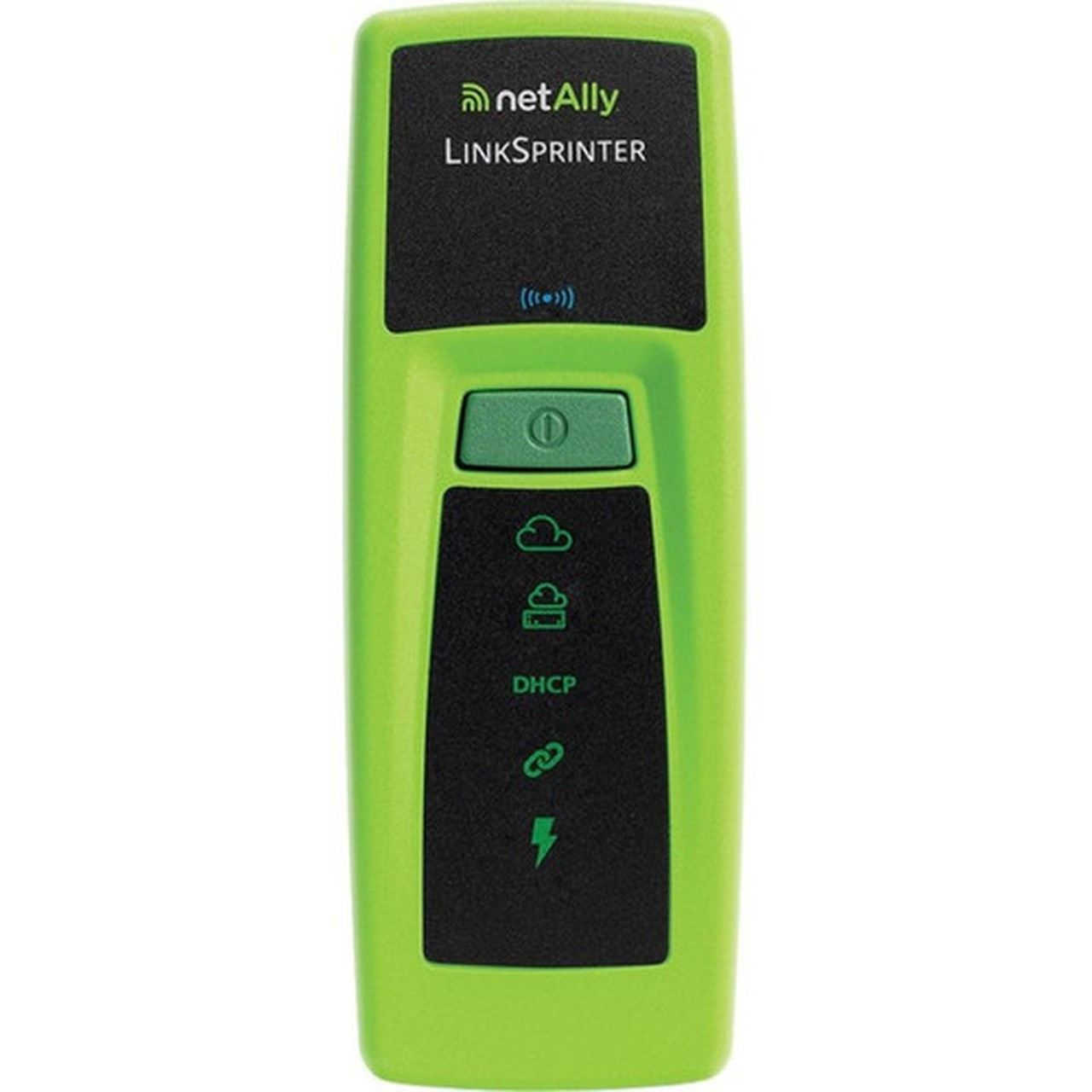
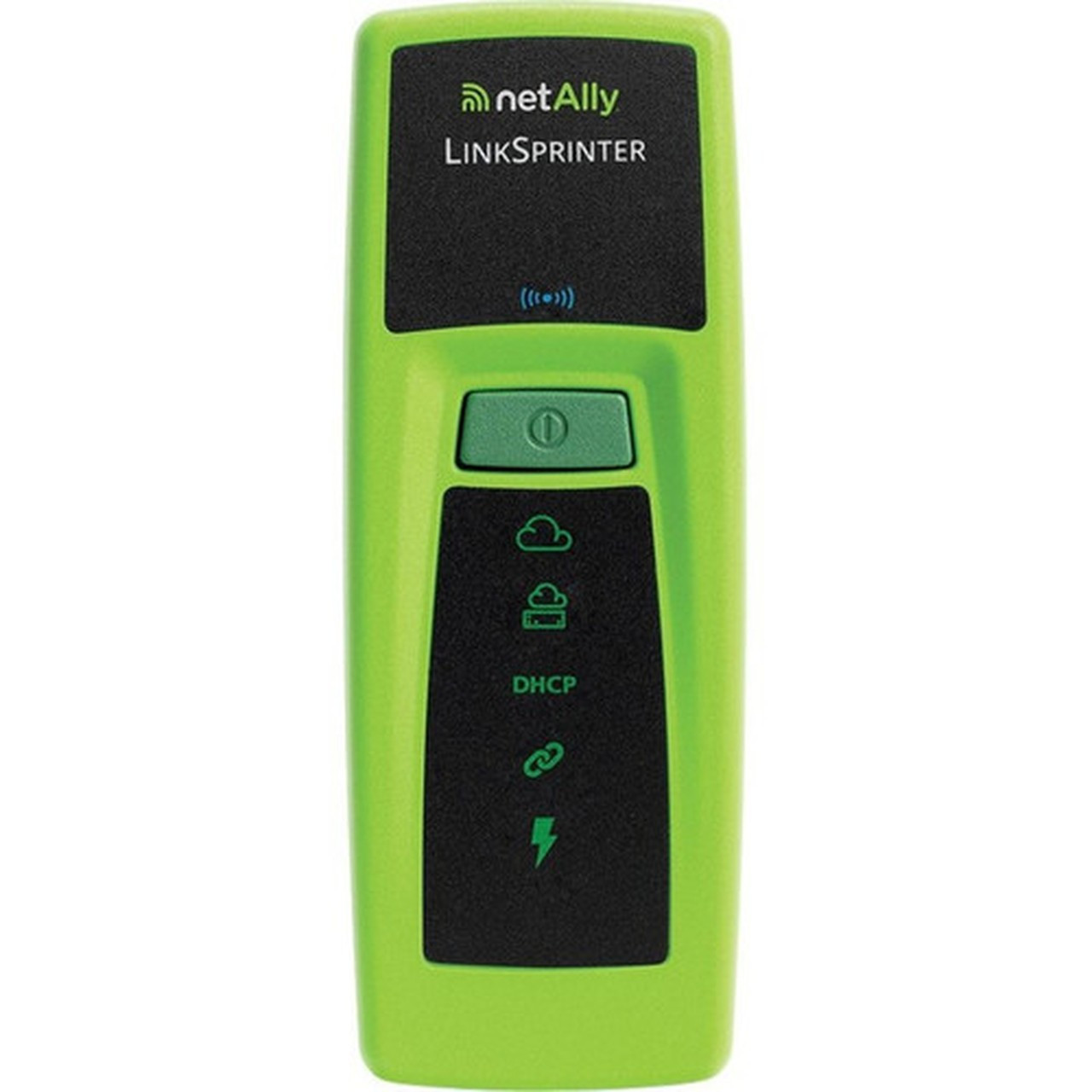
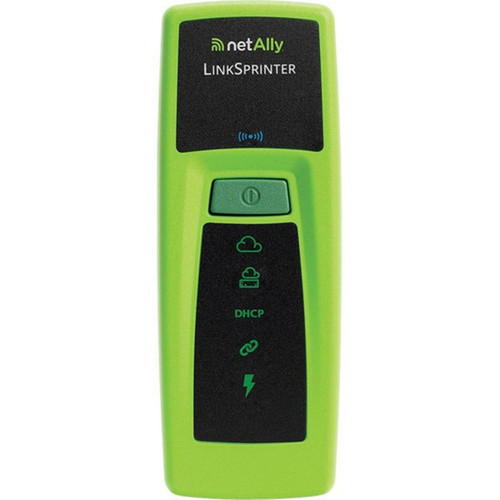
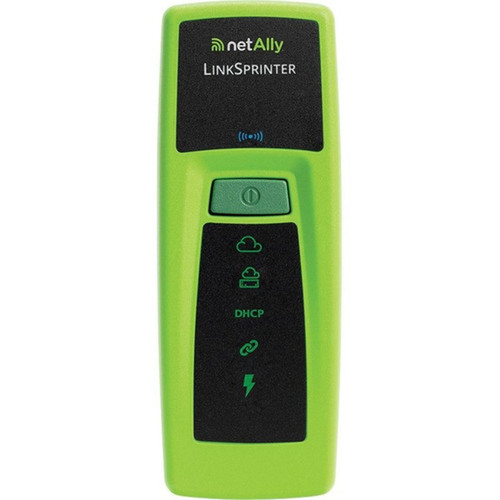
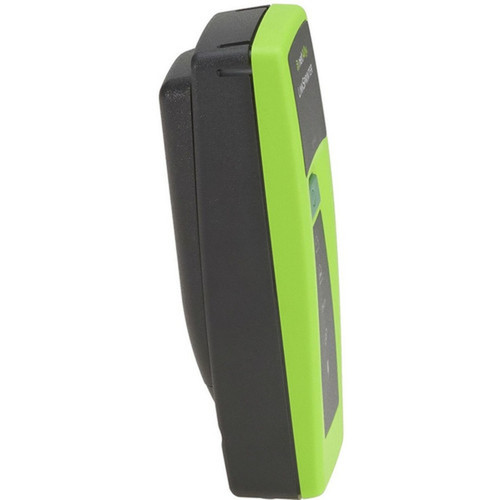
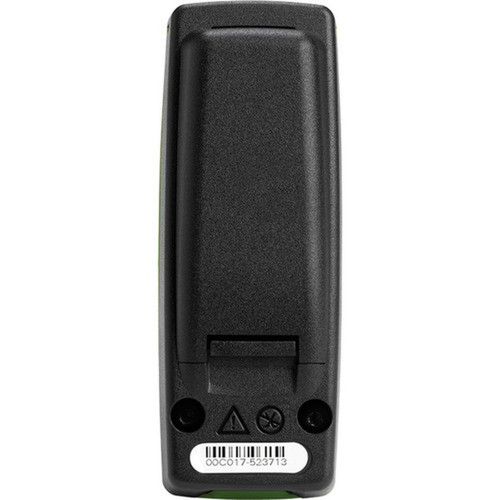
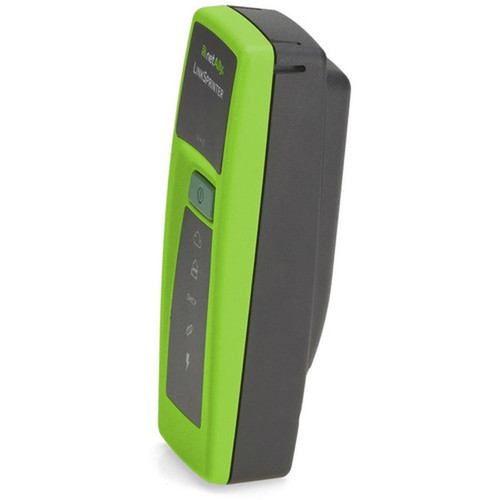
NetAlly LSPRNTR-300 LinkSprinter Network Tester - PoE Testing - 1 PoE Port - Wireless LAN - Twisted Pair - 2 AA Batteries

Business volume discounts
Technical guidance
Preparation & staging
QC · ON · AB · BC
Product Features
Technical Overview
The LinkSprinter 300 delivers precise PoE testing through a single RJ-45 port configured specifically for Power-over-Ethernet validation. It measures voltage output from compatible switches or injectors, ensuring compliance with 802.3af and 802.3at specifications. The device supports twisted-pair media exclusively, focusing on standard Ethernet cabling used in most network deployments.
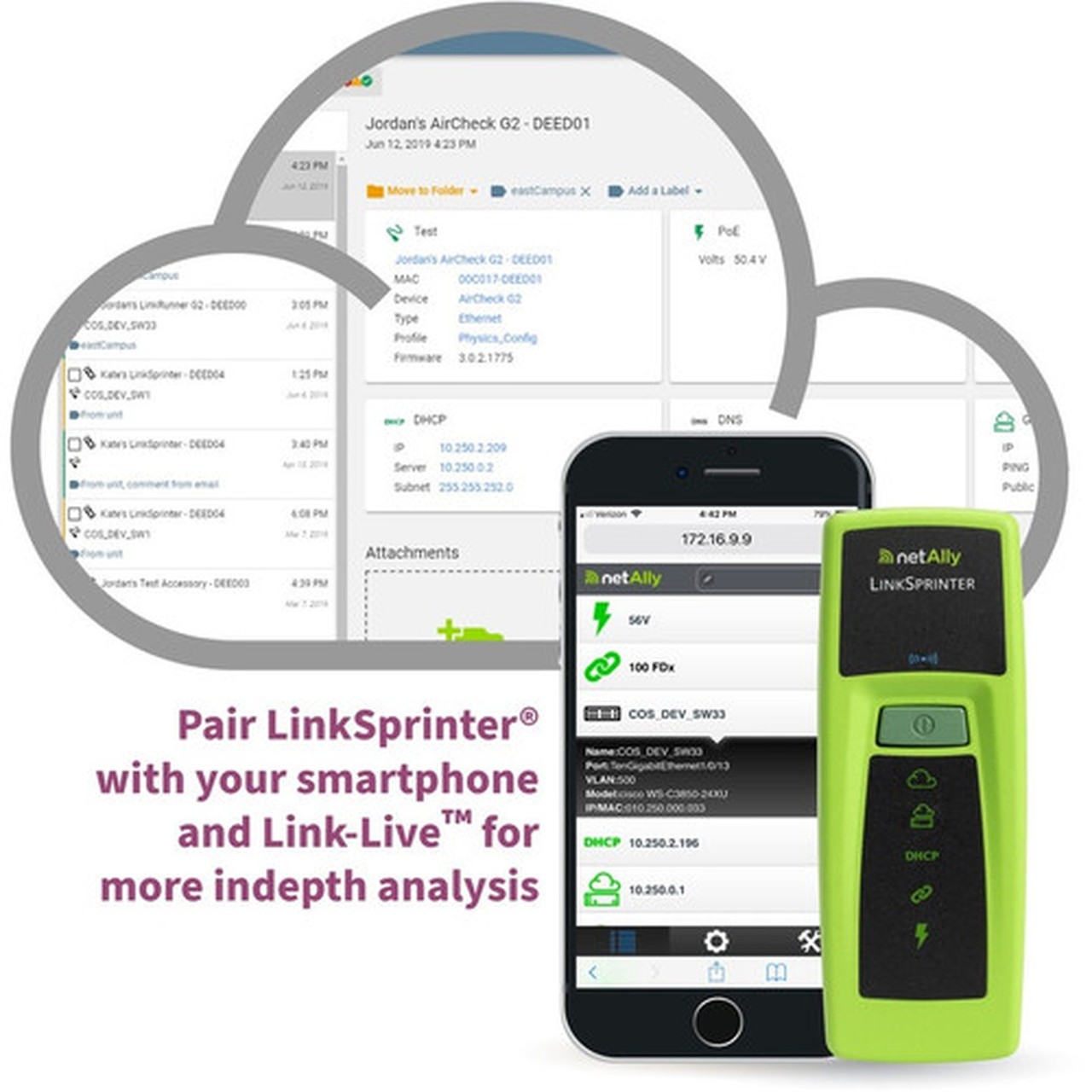
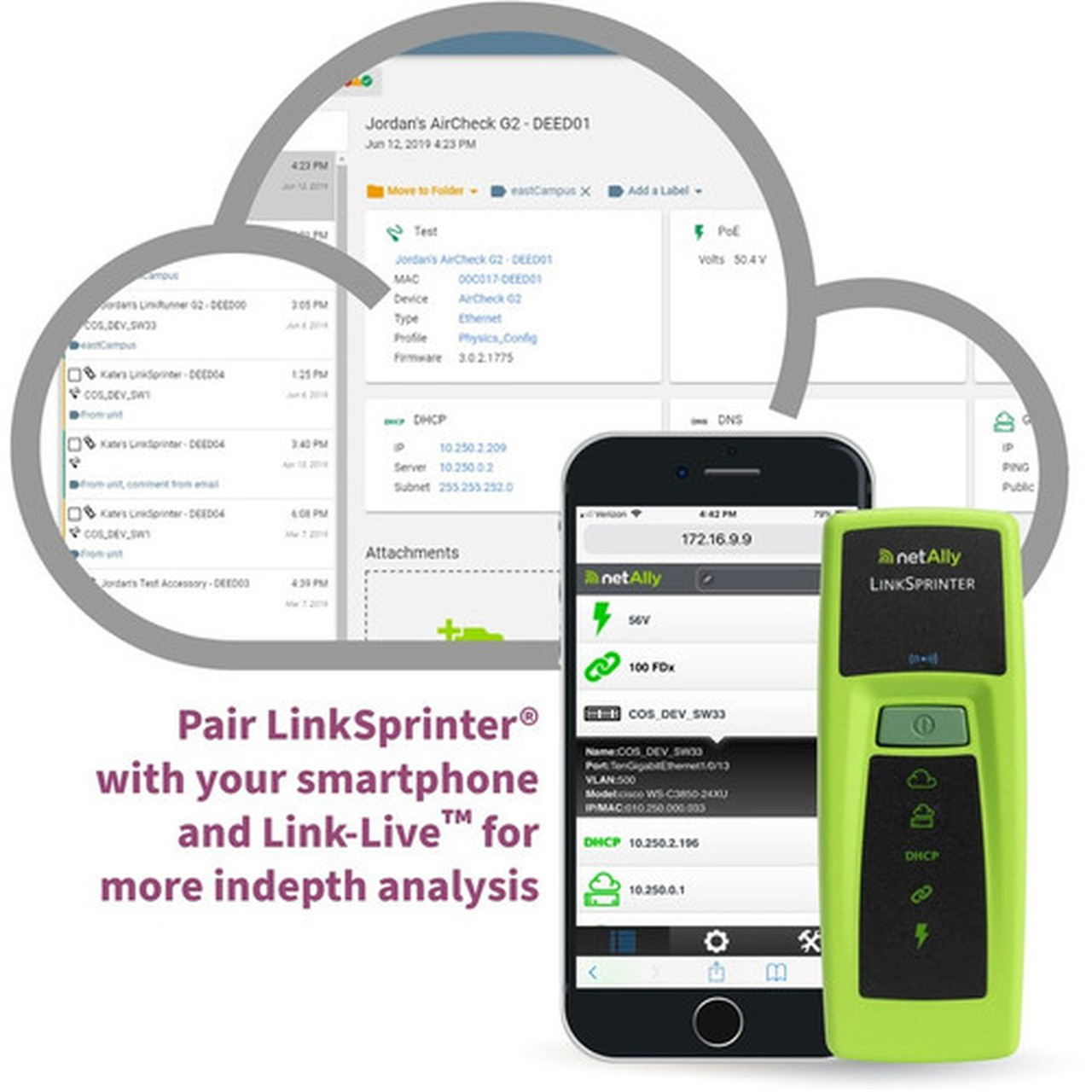
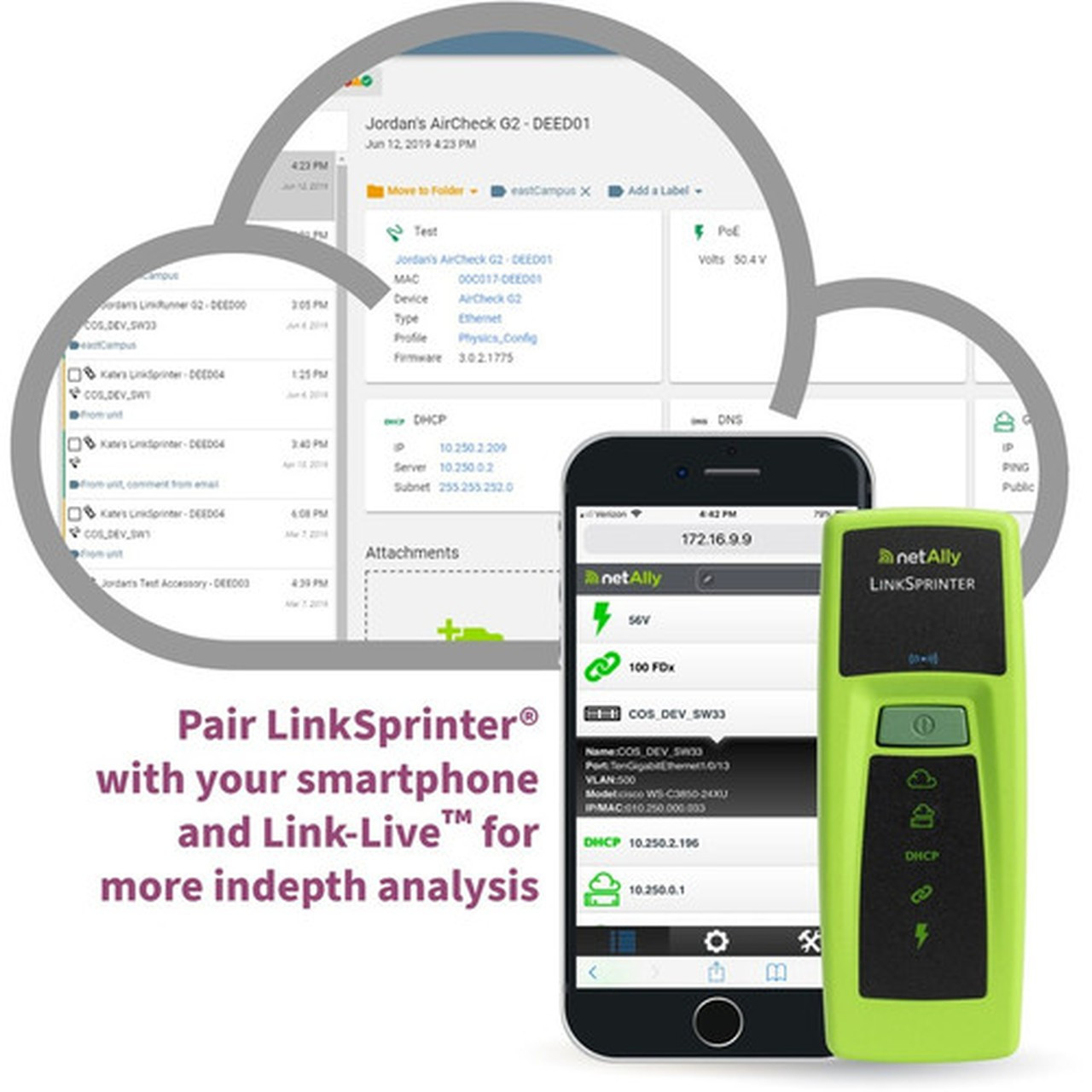
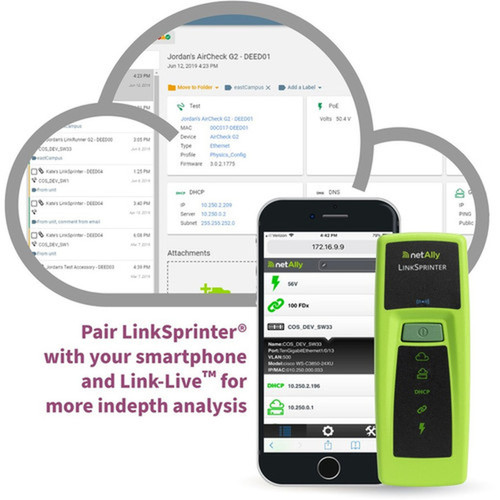
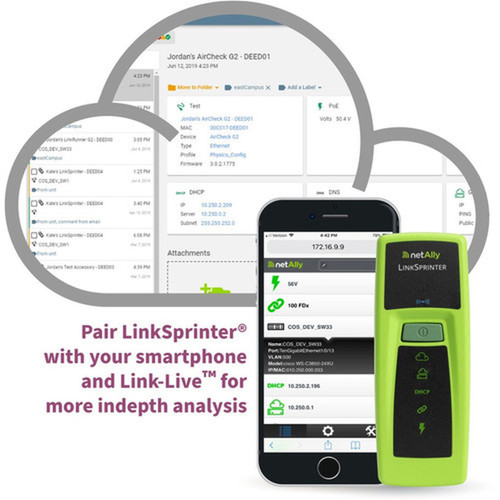
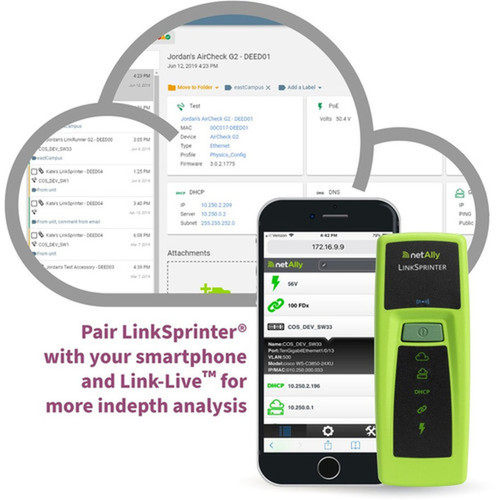
Wireless connectivity is integral to its operation, providing a built-in Wi-Fi hotspot that allows technicians to control tests, view detailed results, and add comments from a smartphone or tablet. This eliminates the need for direct physical interfaces beyond the PoE port, streamlining the diagnostic workflow in constrained environments.
Relevant factors for this section include Device Function, HDMI, DVI, VGA. When those points are considered together, they give buyers a clearer picture of how the product is equipped, how it fits into deployment, and what kind of day-to-day role it is meant to support.
Key Product Advantages
The LinkSprinter excels in rapid PoE validation and network discovery, reducing time spent on manual checks and guesswork. Its ability to detect switch names and port details via CDP, LLDP, and EDP protocols provides immediate visibility into network topology, while link speed and duplex verification confirms physical layer integrity.
Cloud-Enabled Reporting
Test results automatically sync to the free Link-Live Cloud Service, enabling centralized storage, analysis, and team collaboration without manual file transfers.
- Automated uploads
- Centralized result management
- Team access controls
Mobile-Optimized Workflow
The integrated Wi-Fi hotspot turns any mobile device into a remote control panel, allowing technicians to run cable tests, view outcomes, and annotate findings on the go.
- No dedicated display needed
- Real-time results viewing
- Comment and annotation support
Deployment / Use Cases
This tester is purpose-built for field deployment where PoE verification is critical. IT teams can deploy it during new installations to confirm that switches and injectors deliver compliant voltage to IP phones, wireless access points, and security cameras before connecting end devices.
Maintenance and troubleshooting scenarios benefit from its rapid diagnostics—technicians can quickly isolate PoE failures, identify misconfigured ports, or validate cable continuity without carrying bulky equipment. The wireless hotspot feature is particularly valuable in hard-to-reach locations like ceiling plenums or remote IDF closets, where a smartphone can control tests from a convenient vantage point.
New Installation Validation
Verify PoE output and network connectivity during rollout of VoIP systems, Wi-Fi networks, or surveillance setups, ensuring devices receive proper power and data links from day one.
Troubleshooting & Repair
Diagnose intermittent connectivity, port failures, or power issues on existing networks, using the built-in protocols to discover switch details and test cable integrity.
Physical Profile
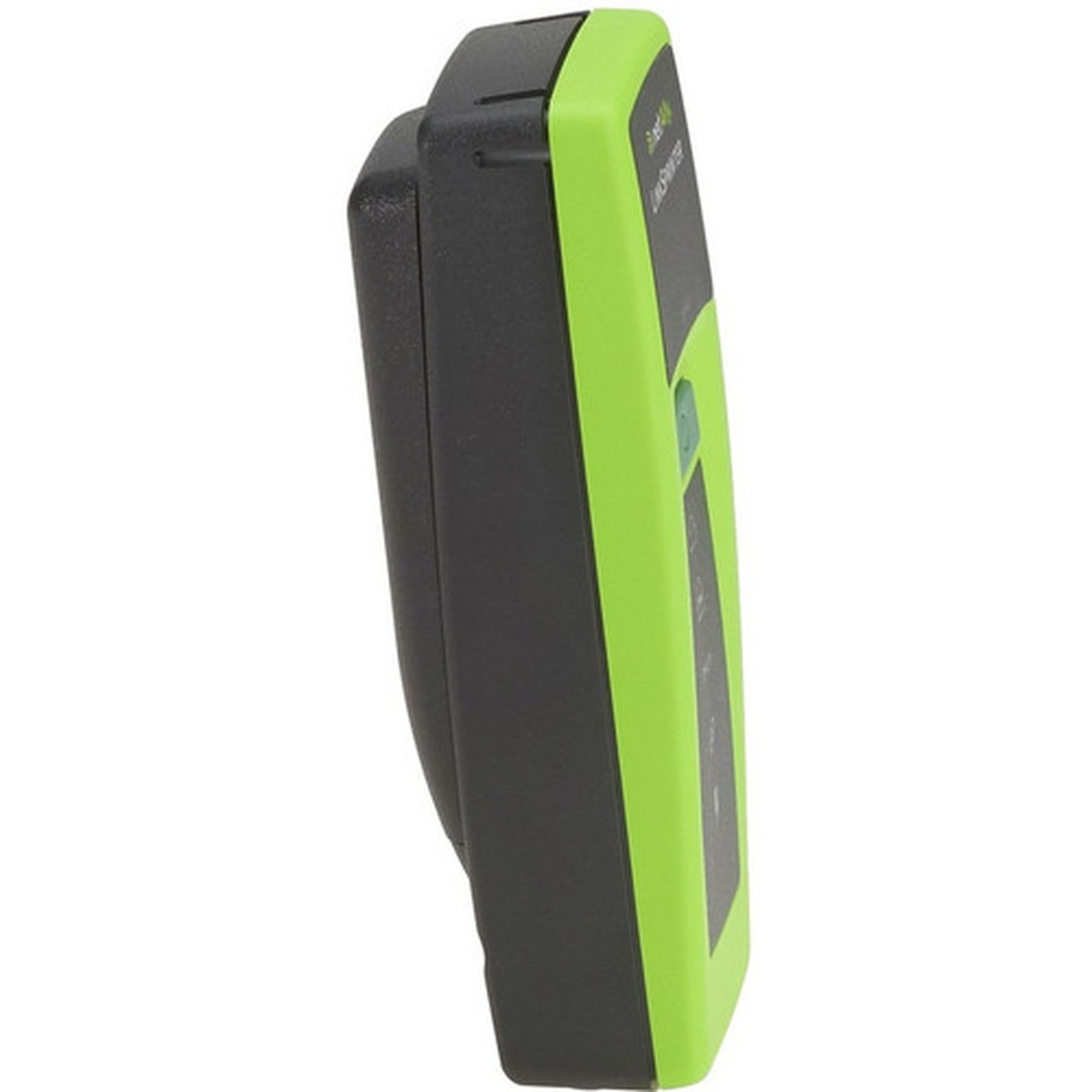
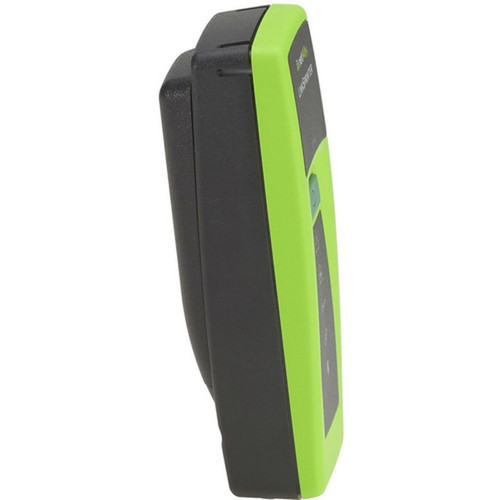
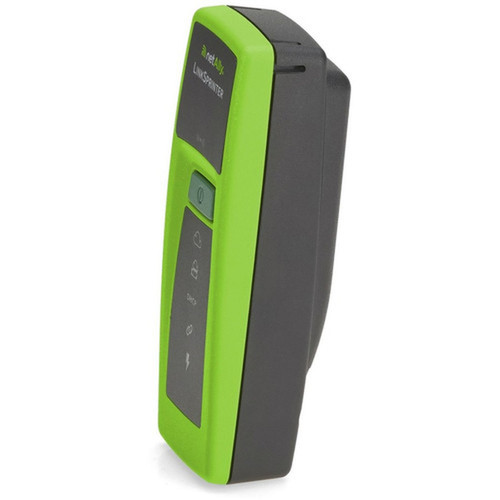
Designed for portability, the LinkSprinter measures 4.36" x 1.60" x 1.28" (110.74 x 40.64 x 32.51 mm) and weighs just 4.08 ounces (115.67 grams). Its compact dimensions allow easy storage in a tool belt or pocket, while the lightweight construction minimizes fatigue during extended use. The device operates on two AA alkaline batteries, supporting field use without reliance on external power sources.
- Width
- 1.60" (40.64 mm)
- Depth
- 1.28" (32.51 mm)
- Height
- 4.36" (110.74 mm)
- Weight
- 4.08 oz (115.67 g)
What's in the Box
The package includes the LinkSprinter network tester and a wrist strap for secure handling during use.
Package contents include LinkSprinter Network Tester Wrist Strap, LinkSprinter Network Tester. These included items support setup, installation, and immediate deployment without needing to source the core bundled accessories separately.
Highlights
- Validates PoE voltage per 802.3af/at standards from power sourcing equipment
- Discovers switch names and port information via CDP, LLDP, and EDP protocols
- Verifies link speed, duplex, and TCP/IP connectivity on twisted-pair networks
- Built-in Wi-Fi hotspot enables mobile device control and test viewing
- Uploads test results automatically to the free Link-Live Cloud Service
- Supports two AA alkaline batteries for field operation
- Compact design at 4.36" x 1.60" x 1.28" and 4.08 oz for easy portability
- Includes wrist strap for secure handling during testing
Specifications
| Specifications | |
|---|---|
| Manufacturer | NetAlly |
| Manufacturer Part Number | LSPRNTR-300 |
| Brand Name | NetAlly |
| Product Line | LinkSprinter |
| Product Model | 300 |
| Product Name | LinkSprinter Network Tester |
| Packaged Quantity | 1 |
| Product Type | Network Testing Device |
| Technical Information | |
| Device Function | PoE Testing |
| Interfaces/Ports | |
| HDMI | No |
| DVI | No |
| VGA | No |
| USB | No |
| Serial Port | No |
| Serial V.35 Interface | No |
| Audio Line Out | No |
| PoE (RJ-45) Port | Yes |
| Network (RJ-45) | No |
| Number of PoE (RJ-45) Ports | 1 |
| Wireless Specifications | |
| Wireless LAN | Yes |
| Media & Performance | |
| Media Type Supported | Twisted Pair |
| Battery Information | |
| Number of Batteries Supported | 2 |
| Battery Size Supported | AA |
| Battery Chemistry | Alkaline |
| Physical Characteristics | |
| Height | 4.36" (110.74 mm) |
| Width | 1.60" (40.64 mm) |
| Depth | 1.28" (32.51 mm) |
| Weight (Approximate) | 4.08 oz (115.67 g) |
| Miscellaneous | |
| Package Contents | LinkSprinter Network Tester Wrist Strap |
| Warranty | |
| Limited Warranty | 1 Year |
User Manual
FAQ
What PoE standards does the LinkSprinter LSPRNTR-300 support?
The tester validates Power-over-Ethernet voltage according to IEEE 802.3af and 802.3at standards. It measures output from compatible power sourcing equipment like switches or injectors, ensuring compliance for devices such as IP phones, wireless access points, and security cameras.
How many PoE ports does this network tester have?
The LinkSprinter 300 includes one dedicated PoE (RJ-45) port for testing. This port is specifically configured for Power-over-Ethernet validation and does not function as a standard network data port, focusing exclusively on PoE voltage measurement and compliance checks.
Can I use the LinkSprinter without a separate display or computer?
Yes, the device features a built-in wireless LAN hotspot that allows you to connect a smartphone, tablet, or laptop via Wi-Fi. Through this connection, you can view detailed test results, run cable tests, add comments, and manage diagnostics directly from your mobile device without needing a dedicated display on the tester itself.
What type of batteries does the tester require, and how many?
The LinkSprinter supports two AA alkaline batteries. This battery configuration provides sufficient power for field operation, allowing technicians to use the device without relying on external AC power sources or frequent recharging during on-site deployments.
How does the Link-Live Cloud Service enhance testing workflows?
The free Link-Live Cloud Service automates reporting by uploading test results directly from the LinkSprinter. This enables centralized storage, management, and collaboration, allowing teams to access, analyze, and share diagnostic data without manual file transfers, improving efficiency and documentation accuracy.
What cable media types are compatible with the LinkSprinter 300?
The tester supports twisted-pair cabling, which is the standard media used in Ethernet networks for data and PoE delivery. It is designed to work with common Category 5e, 6, or higher twisted-pair cables, ensuring compatibility with most existing network infrastructure installations.
| Qty | Price | Available |
|---|