








Shipping included*
Exclusions
Additional shipping fees may apply in rare circumstances for deliveries outside standard service areas. In most cases, this only potentially affects shipments to the Northwest Territories and Yukon, as well as certain heavy or oversized items.
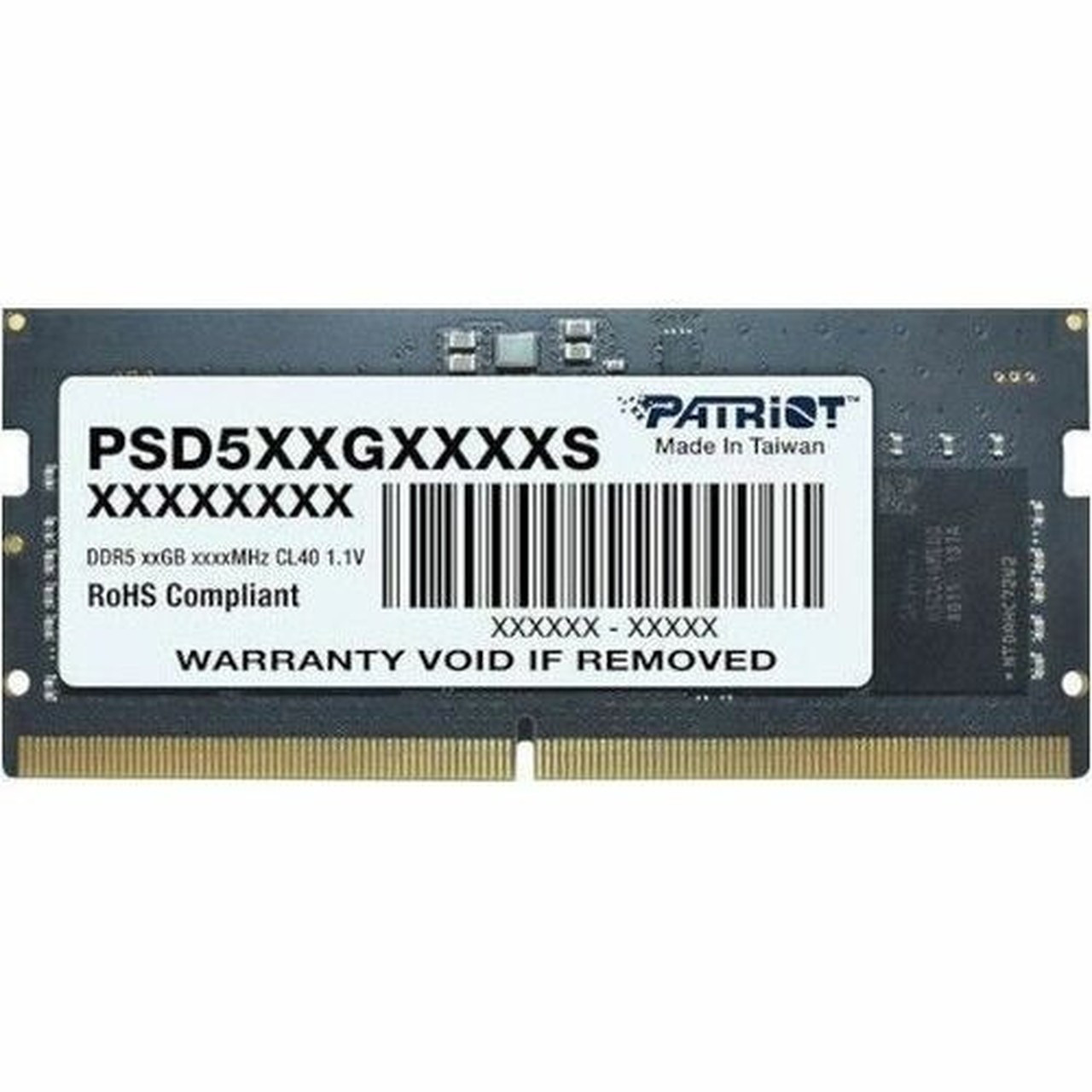
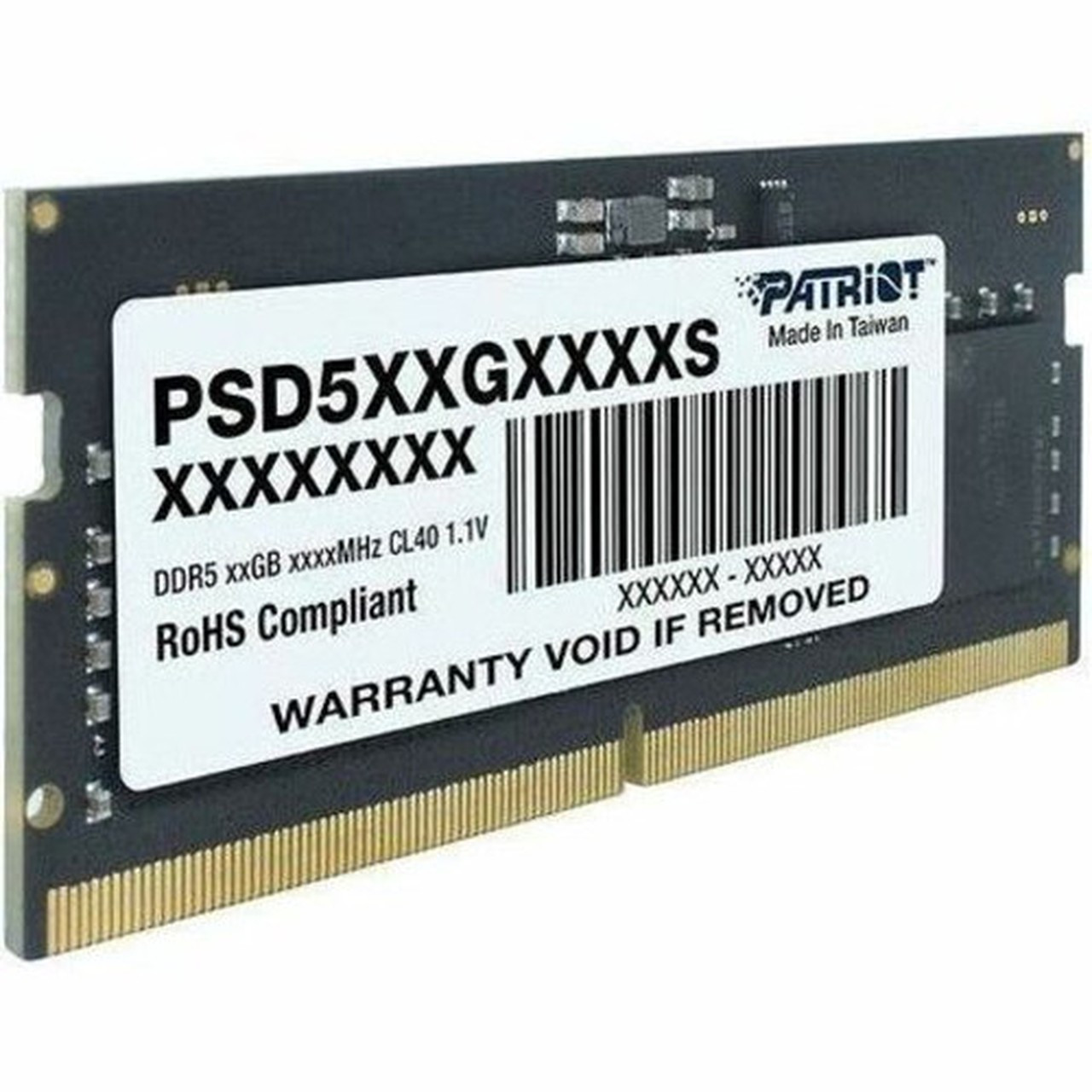
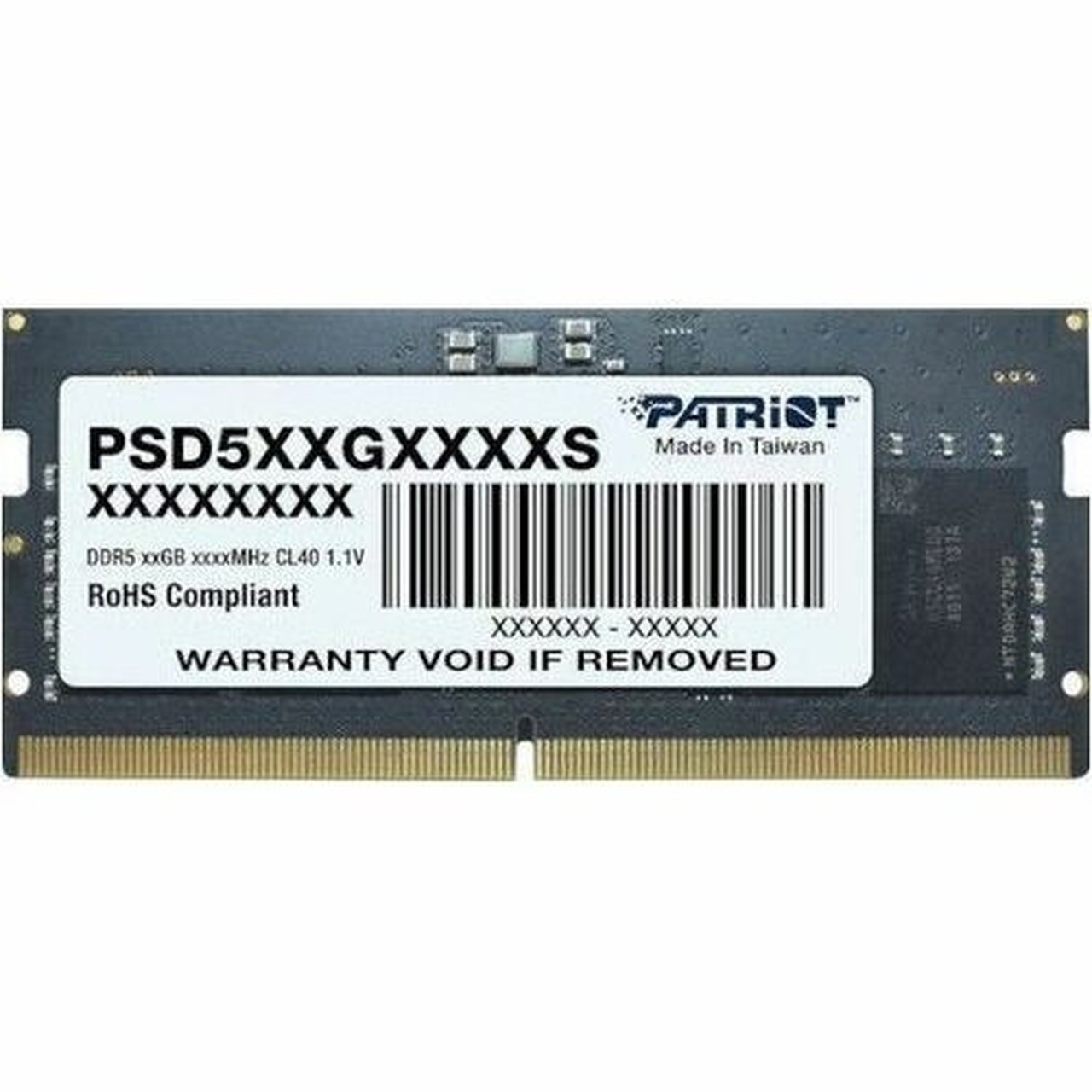
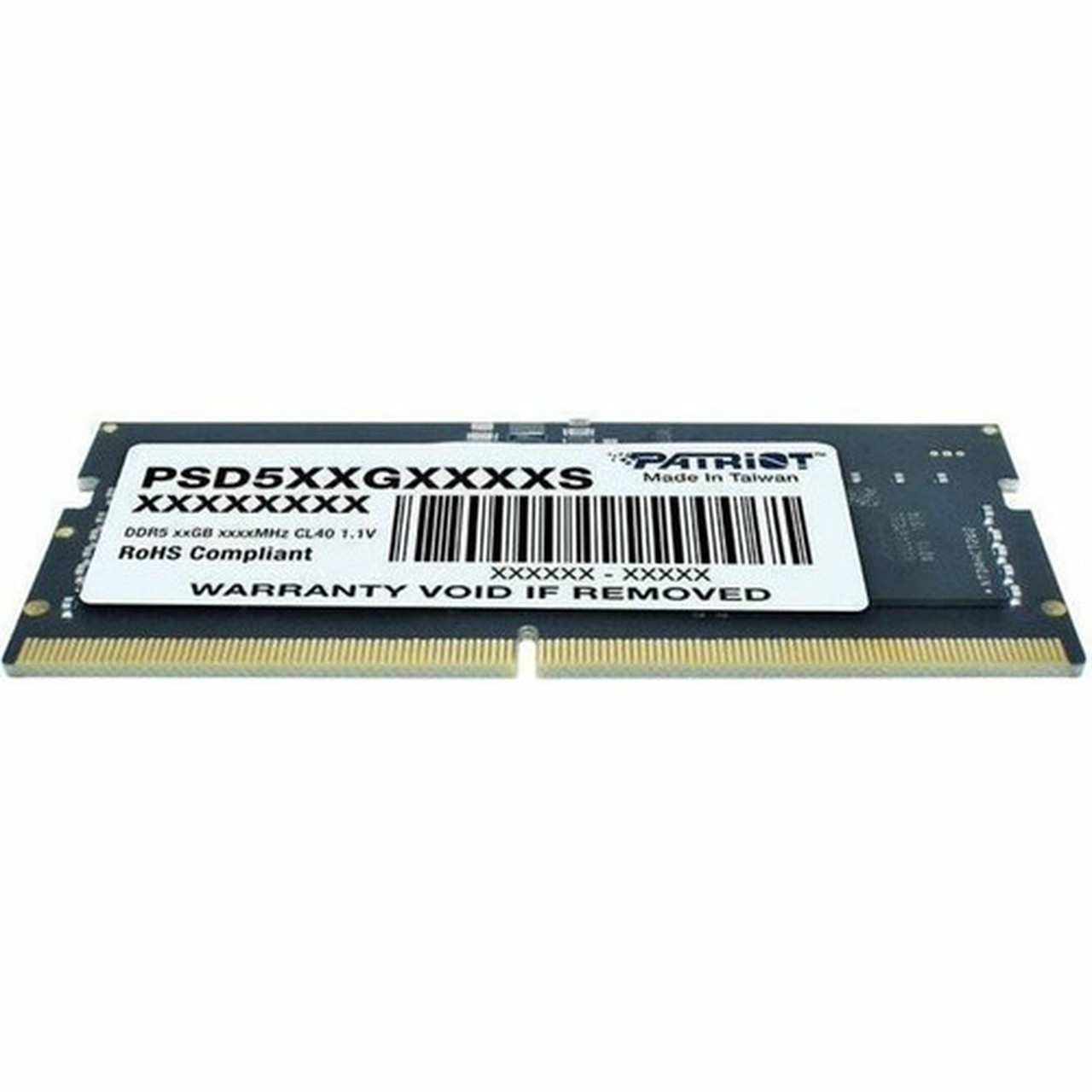
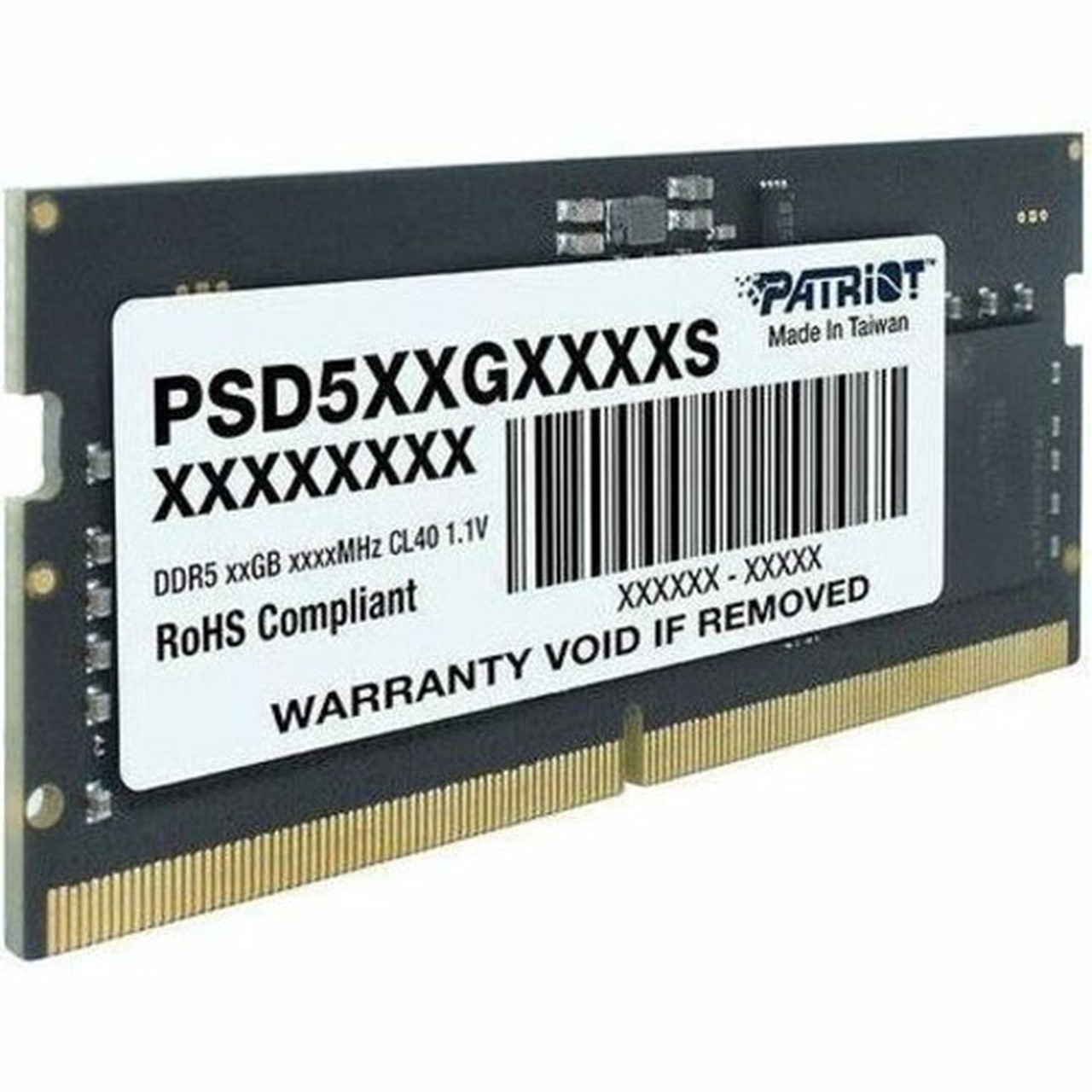
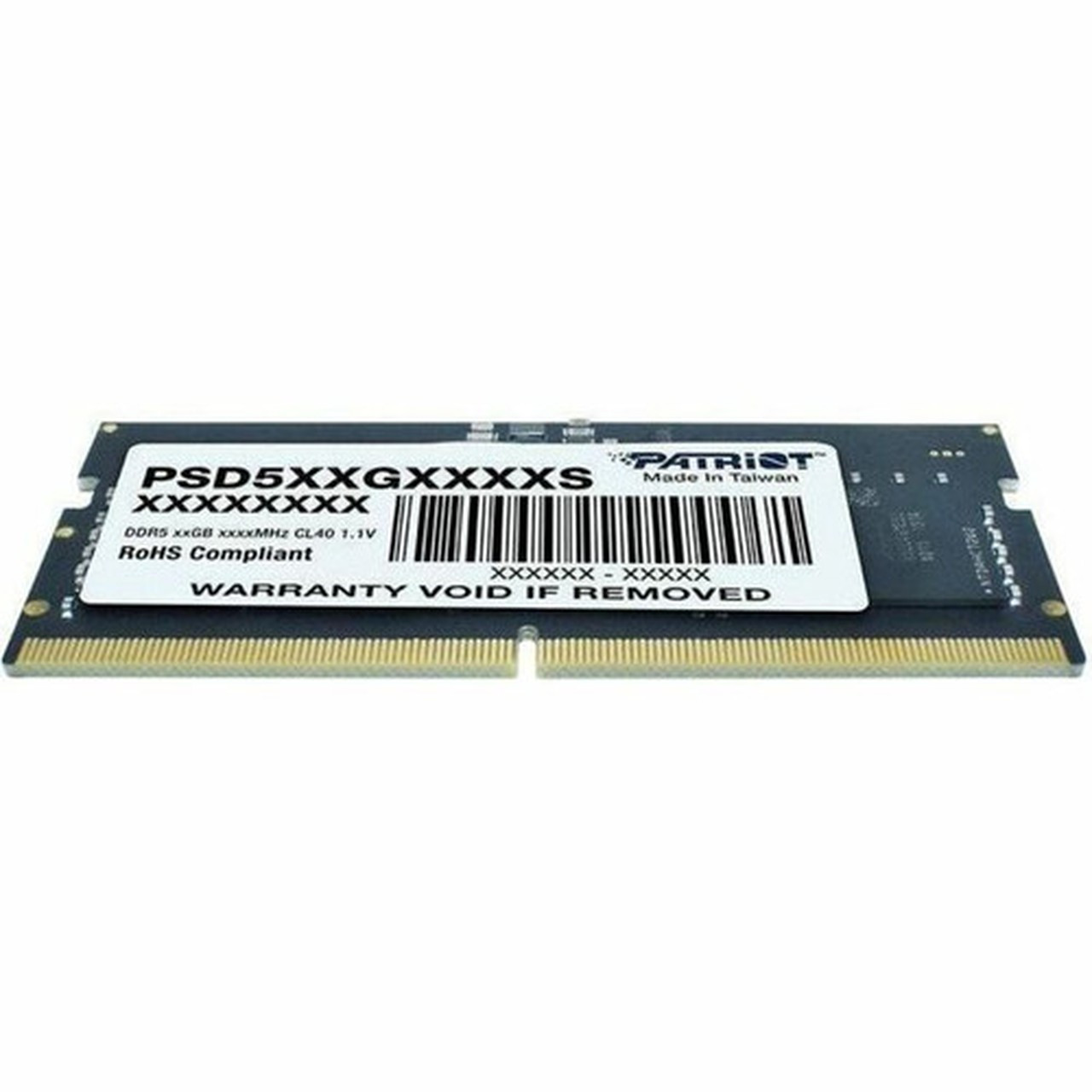
Patriot Memory PSD516G560081S Signature Line 16GB DDR5 SODIMM - 5600MHz CL46 Unbuffered Dual-Rank Notebook RAM

Business volume discounts
Technical guidance
Preparation & staging
QC · ON · AB · BC
Product Features
Product Overview
The Patriot Memory Signature Line 16GB DDR5 SODIMM delivers high-performance memory for modern notebook systems. Built with DDR5 SDRAM technology, this module operates at 5600 MHz with a CAS latency of CL46, providing efficient data transfer rates that enhance overall system responsiveness.
This single 16GB stick features an unbuffered dual-rank design and a compact SODIMM form factor with 262 pins, making it compatible with DDR5 notebook platforms. The retail packaging ensures easy installation, while the 1.10V operating voltage supports energy-efficient operation without compromising speed.
Relevant factors for this section include Memory Size, Memory Technology, Memory Voltage, Number of Pins. When those points are considered together, they give buyers a clearer picture of how the product is equipped, how it fits into deployment, and what kind of day-to-day role it is meant to support.
Technical Overview
Engineered for DDR5 notebook systems, this memory module meets the DDR5-5600/PC5-44800 standard. The dual-rank architecture improves memory bandwidth by allowing simultaneous access to two sets of memory cells, while the unbuffered signal processing reduces latency for faster data retrieval.
The 5600 MHz speed enables rapid handling of multitasking workloads, from everyday applications to demanding creative software. With a precise CAS latency of CL46, the module balances speed and timing for stable performance in notebook environments.
Relevant factors for this section include Memory Size, Memory Technology, Memory Voltage, Number of Pins. When those points are considered together, they give buyers a clearer picture of how the product is equipped, how it fits into deployment, and what kind of day-to-day role it is meant to support.
A strong technical summary explains how the product's interfaces, hardware profile, and operating characteristics work together in real deployment. Buyers often need this context to confirm compatibility with existing devices, expected performance in daily use, and whether installation will be straightforward for IT staff or end users.
Key Product Advantages
This DDR5 SODIMM combines high capacity with advanced memory technology to boost notebook performance. The 16GB capacity supports memory-intensive tasks, while the 5600 MHz speed ensures smooth operation across applications.
Enhanced Multitasking
The 16GB capacity allows notebooks to handle multiple applications simultaneously, reducing slowdowns during heavy usage such as gaming, video editing, or running virtual machines.
- Supports memory-heavy OS and software
- Reduces system lag during multitasking
DDR5 Efficiency
DDR5 technology provides higher data transfer rates and improved power efficiency compared to previous generations, resulting in faster system performance and longer battery life in notebooks.
- Higher bandwidth for data-intensive tasks
- 1.10V operation for energy savings
Deployment / Use Cases
Ideal for upgrading existing notebook systems or building new portable workstations, this memory module suits users who require reliable performance for professional and personal computing.
Common deployment scenarios include business notebooks needing enhanced multitasking capabilities, gaming laptops requiring faster memory speeds, and creative workstations running video editing or design software. The SODIMM form factor ensures compatibility with standard notebook memory slots.
Relevant factors for this section include Memory Size, Memory Technology, Memory Voltage, Number of Pins. When those points are considered together, they give buyers a clearer picture of how the product is equipped, how it fits into deployment, and what kind of day-to-day role it is meant to support.
Notebook Performance Upgrades
Upgrade older notebooks to DDR5 standards for improved application responsiveness and system speed, extending the usable life of portable devices.
Gaming and Creative Workloads
Support high-frame-rate gaming and smooth video rendering with the 5600 MHz speed and 16GB capacity, reducing bottlenecks in performance-critical applications.
Physical Profile
The compact SODIMM design measures 2.70" (68.58 mm) in length, 1.20" (30.48 mm) in width, and 0.12" (3.05 mm) in thickness, fitting standard notebook memory slots. With an approximate weight of 0.32 oz (9.07 g), the module is lightweight yet durable for portable use.
The physical profile is practical for deployment planning because the dimensions and weight are clearly defined: 1.20" (30.48 mm), 0.32 oz (9.07 g). This helps confirm rack, shelf, desk, or cabinet fit before installation.
- Width
- 1.20" (30.48 mm)
- Weight
- 0.32 oz (9.07 g)
- Length
- 2.70" (68.58 mm)
Highlights
- 16GB DDR5 SDRAM memory module for notebook systems
- 5600 MHz speed with DDR5-5600/PC5-44800 standard
- Single 16GB stick in unbuffered dual-rank configuration
- SODIMM form factor with 262-pin design
- CAS latency of CL46 for balanced performance
- 1.10V operating voltage for energy efficiency
- Compatible with DDR5 notebook platforms
- Retail packaging for easy installation
Specifications
| Specifications | |
|---|---|
| Manufacturer | Patriot Memory, LLC |
| Manufacturer Part Number | PSD516G560081S |
| Brand Name | Patriot Memory |
| Product Line | Signature Line |
| Product Name | Signature Line 16GB DDR5 SDRAM Memory Module |
| Package Type | Retail |
| Product Type | RAM Module |
| Technical Information | |
| Memory Size | 16 GB |
| Memory Technology | DDR5 SDRAM |
| Memory Voltage | 1.10 V |
| Number of Modules | 1 x 16GB |
| Memory Speed | 5600 MHz |
| Memory Standard | DDR5-5600/PC5-44800 |
| Memory Rank | Dual-rank |
| Signal Processing | Unbuffered |
| CAS Latency | CL46 |
| Device Supported | Notebook |
| Physical Characteristics | |
| Number of Pins | 262-pin |
| Form Factor | SODIMM |
| Thickness | 0.12" (3.05 mm) |
| Width | 1.20" (30.48 mm) |
| Length | 2.70" (68.58 mm) |
| Weight (Approximate) | 0.32 oz (9.07 g) |
User Manual
FAQ
What is the memory capacity and configuration of this module?
This module has a total capacity of 16GB, configured as a single 16GB stick. It uses a dual-rank unbuffered design, which improves memory bandwidth by allowing access to two sets of memory cells simultaneously, enhancing performance in notebook systems.
What DDR generation and speed does this memory support?
This is a DDR5 SDRAM module operating at 5600 MHz, meeting the DDR5-5600/PC5-44800 standard. DDR5 technology provides higher data transfer rates and improved power efficiency compared to DDR4, resulting in faster system performance for notebooks.
Is this memory compatible with my notebook?
This module is designed for notebook systems that support DDR5 memory with a SODIMM form factor and 262 pins. Check your notebook's specifications to ensure compatibility with DDR5-5600 speed and unbuffered dual-rank modules before purchase.
What is the CAS latency and why does it matter?
The CAS latency is CL46, which indicates the delay between when a memory controller requests data and when it is available. A lower latency generally means faster response times, and CL46 is optimized for DDR5-5600 speed to balance performance and stability in notebook applications.
What is the form factor and pin count?
This module uses the SODIMM (Small Outline Dual In-Line Memory Module) form factor with 262 pins. SODIMMs are specifically designed for notebooks and other compact devices, providing a smaller physical profile than standard DIMMs while maintaining compatibility with notebook memory slots.
Does this memory support ECC or registered features?
No, this is an unbuffered non-ECC memory module. Unbuffered memory reduces latency by not using a register between the memory controller and RAM chips, which is typical for consumer and performance notebook memory. It does not include Error-Correcting Code (ECC) functionality.
| Qty | Price | Available |
|---|