






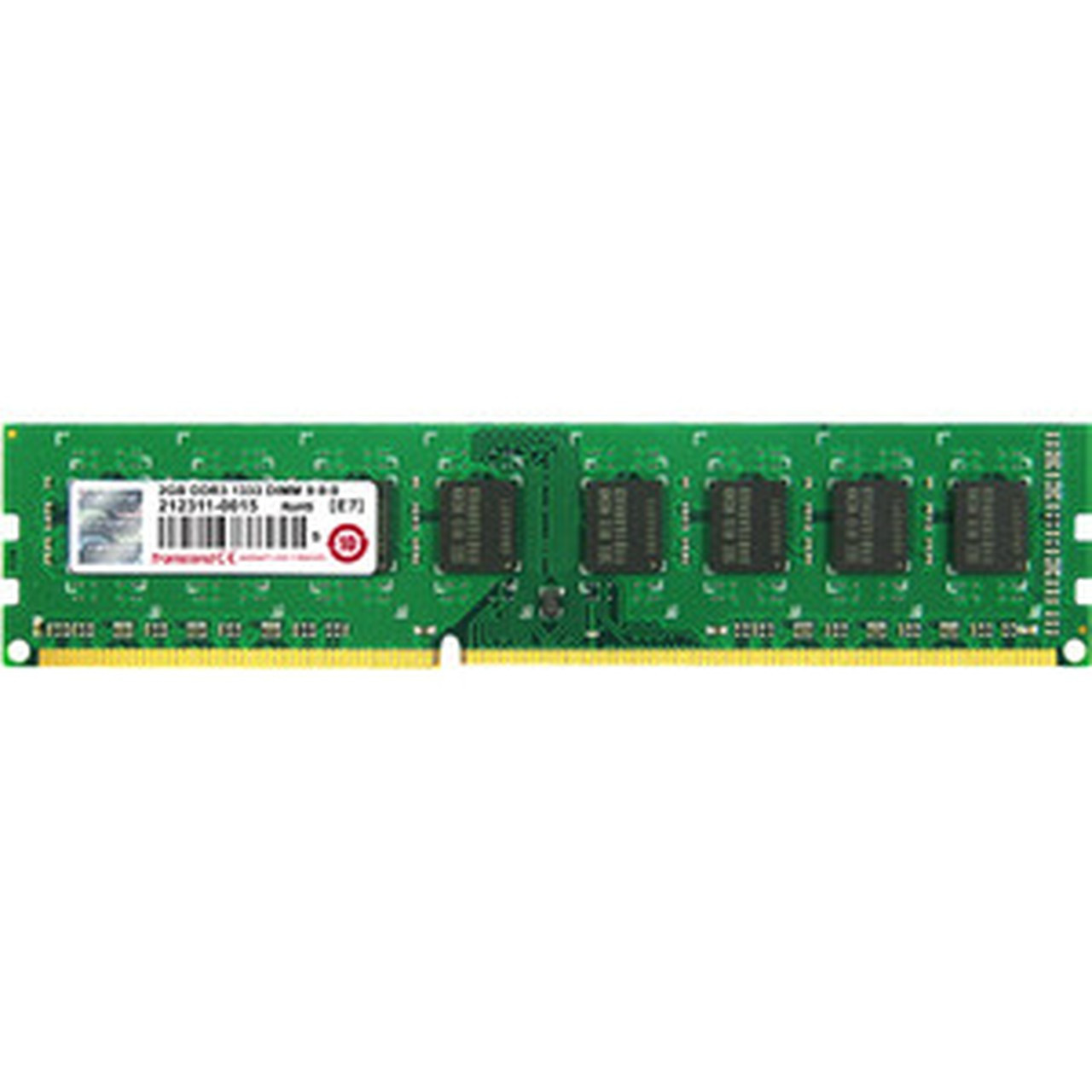

Transcend TS256MLK64V6N 2GB DDR3-1600 PC3-12800 Unbuffered DIMM - 240-pin - CL11 - 1.50V

Business volume discounts
Technical guidance
Preparation & staging
QC · ON · AB · BC
Product Features
Product Overview
The Transcend TS256MLK64V6N is a 2GB DDR3-1600 memory module designed for desktop system upgrades and replacements. This unbuffered DIMM operates at 1600 MHz with CL11 latency and 1.50V voltage, delivering standard-performance memory for everyday computing tasks and basic multitasking scenarios.
Built with 240-pin DDR3 SDRAM architecture, this module follows the PC3-12800 standard and features non-ECC error checking. The DIMM form factor ensures compatibility with standard desktop motherboards that support DDR3 memory technology, making it a straightforward upgrade solution for aging systems or budget-conscious builds.
Relevant product facts for this section include Memory Size: 2 GB, Memory Technology: DDR3 SDRAM, Memory Voltage: 1.50 V, Number of Pins: 240-pin. When those details are considered together, they give buyers a clearer picture of how the product is equipped, how it connects, and what kind of day-to-day role it is meant to support.
Technical Overview
This memory module utilizes DDR3 SDRAM technology with a 1600 MHz operating speed and PC3-12800 data transfer rate. The CL11 CAS latency timing provides balanced performance for general computing applications, while the 1.50V operating voltage aligns with standard DDR3 power requirements for energy-efficient operation.
The unbuffered signal processing architecture offers direct memory access without additional buffering chips, resulting in lower latency compared to registered modules. This design choice makes the module suitable for consumer and business desktop systems where maximum compatibility and straightforward installation are priorities.
Relevant product facts for this section include Memory Size: 2 GB, Memory Technology: DDR3 SDRAM, Memory Voltage: 1.50 V, Number of Pins: 240-pin. When those details are considered together, they give buyers a clearer picture of how the product is equipped, how it connects, and what kind of day-to-day role it is meant to support.
Key Product Advantages
This Transcend memory module provides reliable performance for desktop systems requiring DDR3 memory upgrades. The combination of 1600 MHz speed and CL11 latency delivers responsive system performance for everyday computing tasks, while the standard 1.50V operating voltage ensures compatibility with most DDR3-compatible motherboards.
Standard Desktop Compatibility
The 240-pin DIMM form factor and unbuffered architecture ensure broad compatibility with consumer and business desktop motherboards that support DDR3 memory technology.
- 240-pin connector
- DIMM form factor
- Unbuffered design
Balanced Performance Profile
With 1600 MHz speed and CL11 latency, this module offers a balanced performance profile suitable for general computing, office applications, and light multitasking scenarios.
- 1600 MHz operating speed
- CL11 CAS latency
- PC3-12800 data rate
Deployment / Use Cases
This Transcend 2GB DDR3-1600 module is ideal for desktop system upgrades where additional memory capacity is needed for improved multitasking capabilities. The module works well in systems running Windows, Linux, or other operating systems that benefit from increased RAM availability for application loading and data processing.
Common deployment scenarios include upgrading older desktop systems to extend their usable lifespan, replacing failed memory modules in existing systems, or building budget-conscious systems where DDR3 memory technology provides adequate performance at a competitive price point. The module supports general computing tasks including web browsing, office productivity applications, media playback, and light content creation.
System Upgrade Applications
Ideal for upgrading aging desktop systems to improve multitasking performance and extend system usability without requiring complete system replacement.
Replacement Memory Solutions
Serves as a direct replacement for failed or underperforming DDR3 memory modules in compatible desktop systems, restoring system functionality and performance.
Physical Profile
The module features standard DIMM dimensions measuring 5.25 inches (133.35 mm) in length, 1.18 inches (30 mm) in width, and 50 mil (1.27 mm) in thickness. These dimensions ensure proper fit in standard desktop memory slots and compatibility with most desktop chassis configurations. The 240-pin edge connector provides secure electrical contact with motherboard memory sockets, while the standard height profile allows installation in systems with typical clearance requirements.
- Width
- 1.18" (30 mm)
- Length
- 5.25" (133.35 mm)
Highlights
- 2GB DDR3-1600 memory capacity for desktop system upgrades
- PC3-12800 standard with 1600 MHz operating speed
- CL11 CAS latency for responsive system performance
- Unbuffered architecture for lower latency memory access
- Non-ECC error checking suitable for consumer and business systems
- 240-pin DIMM form factor for standard desktop compatibility
- 1.50V operating voltage for energy-efficient operation
- Standard dimensions ensure compatibility with most desktop chassis
Specifications
| Specifications | |
|---|---|
| Manufacturer | Transcend Information, Inc |
| Manufacturer Part Number | TS256MLK64V6N |
| Brand Name | Transcend |
| Product Name | 240pin DDR3 1600 Unbuffered DIMM 1Rank 2GB with 256Mx8 CL11 |
| Product Type | RAM Module |
| Technical Information | |
| Memory Size | 2 GB |
| Memory Technology | DDR3 SDRAM |
| Memory Voltage | 1.50 V |
| Memory Speed | 1600 MHz |
| Memory Standard | DDR3-1600/PC3-12800 |
| Error Checking | Non-ECC |
| Signal Processing | Unbuffered |
| CAS Latency | CL11 |
| Physical Characteristics | |
| Number of Pins | 240-pin |
| Form Factor | DIMM |
| Thickness | 50 mil (1.27 mm) |
| Width | 1.18" (30 mm) |
| Length | 5.25" (133.35 mm) |
| Miscellaneous | |
| Country of Origin | Taiwan |
FAQ
What type of systems is this memory module compatible with?
This Transcend TS256MLK64V6N memory module is compatible with desktop systems that support DDR3 memory technology, specifically those with 240-pin DIMM slots. It requires a motherboard that accepts unbuffered, non-ECC DDR3 modules operating at 1600 MHz with 1.50V voltage. Always verify your system's memory specifications before purchasing to ensure compatibility.
What is the difference between unbuffered and registered memory?
Unbuffered memory, like this Transcend module, provides direct access to memory cells without additional buffering chips, resulting in lower latency and simpler architecture. Registered memory includes a register between the memory controller and DRAM chips to improve signal integrity in systems with many memory modules. Unbuffered modules are standard for consumer and most business desktop systems, while registered modules are typically used in servers and workstations with high memory capacities.
Can I mix this module with other DDR3 memory in my system?
While possible in some cases, mixing memory modules with different specifications can lead to system instability or cause all modules to run at the speed of the slowest module. For optimal performance and reliability, it's recommended to use identical memory modules with matching capacity, speed, latency, and voltage. If mixing is necessary, ensure all modules share the same voltage and are compatible with your motherboard's memory configuration guidelines.
What does CL11 latency mean for system performance?
CL11 refers to CAS Latency 11, which measures the number of clock cycles between when a memory controller requests data and when that data becomes available. Lower CAS latency numbers generally indicate faster response times. CL11 represents a standard latency for DDR3-1600 memory, providing balanced performance for general computing tasks. The combination of 1600 MHz speed and CL11 latency delivers responsive system performance for everyday applications and multitasking scenarios.
Is this memory module suitable for gaming systems?
While this 2GB DDR3-1600 module can function in gaming systems, modern gaming typically benefits from higher capacity memory (8GB or more per module) and faster speeds. This module is better suited for general computing, office systems, or as supplemental memory in multi-module configurations. For dedicated gaming systems, consider higher-capacity DDR3 or newer DDR4/DDR5 memory technologies that better support modern game requirements and system performance demands.
What precautions should I take when installing this memory module?
Always power off and unplug your computer before installation. Handle the module by the edges to avoid static discharge, and align the notch in the module's connector with the key in the memory slot. Apply even pressure to both ends until the retention clips engage. After installation, enter your system BIOS to verify the memory is detected and running at the correct speed. If issues occur, reseat the module and ensure it's fully inserted in the slot.
| Qty | Price | Available |
|---|