






Shipping included*
Exclusions
Additional shipping fees may apply in rare circumstances for deliveries outside standard service areas. In most cases, this only potentially affects shipments to the Northwest Territories and Yukon, as well as certain heavy or oversized items.
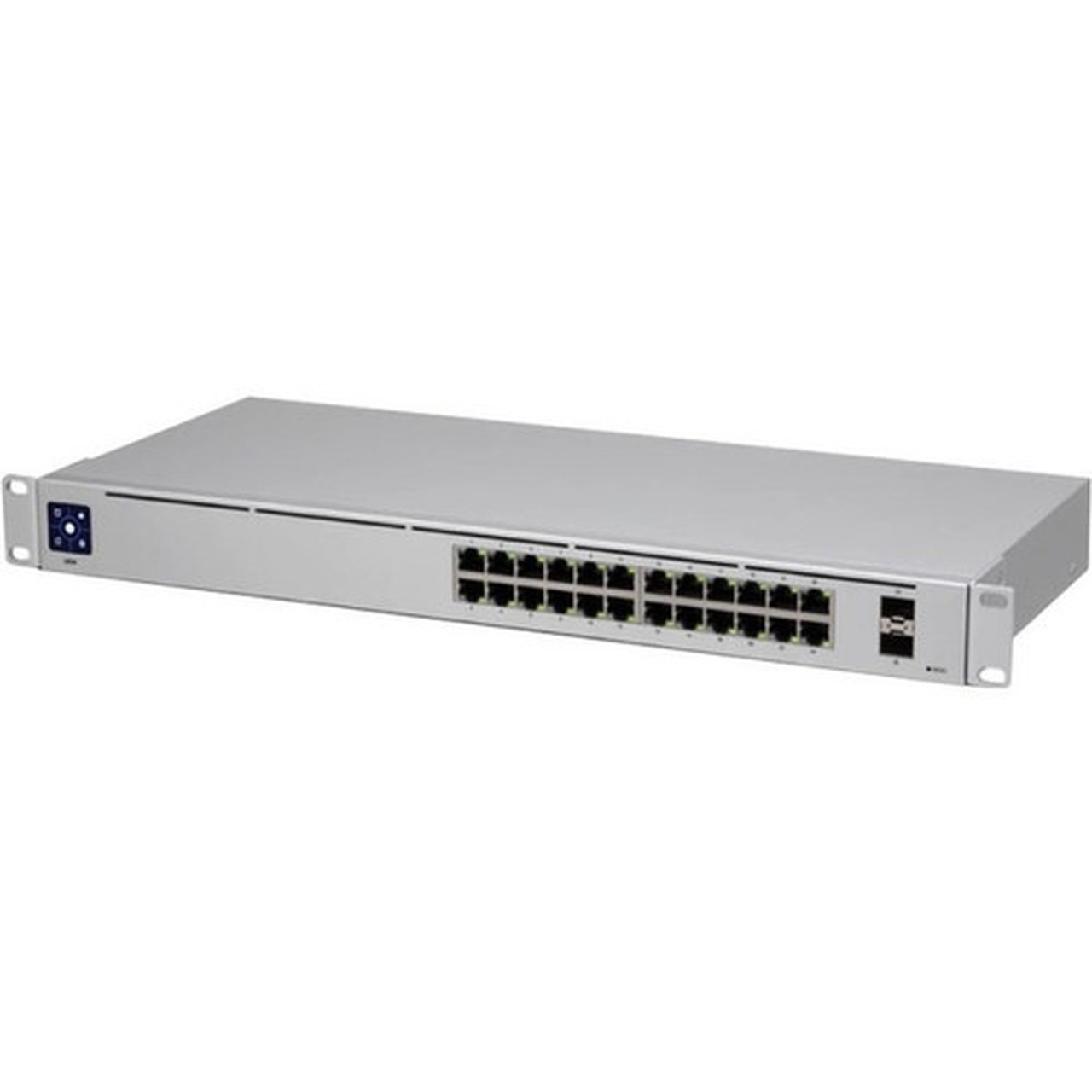
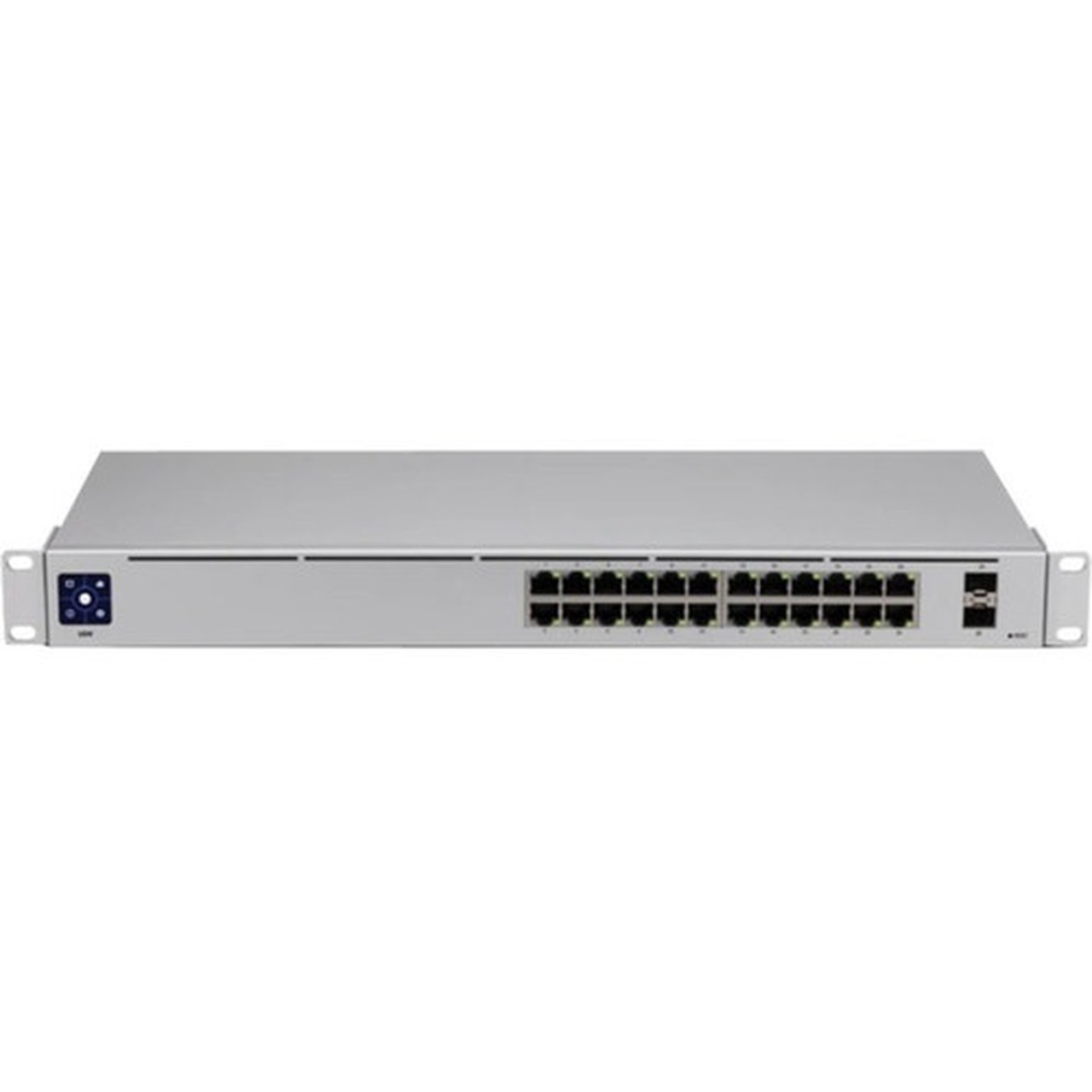
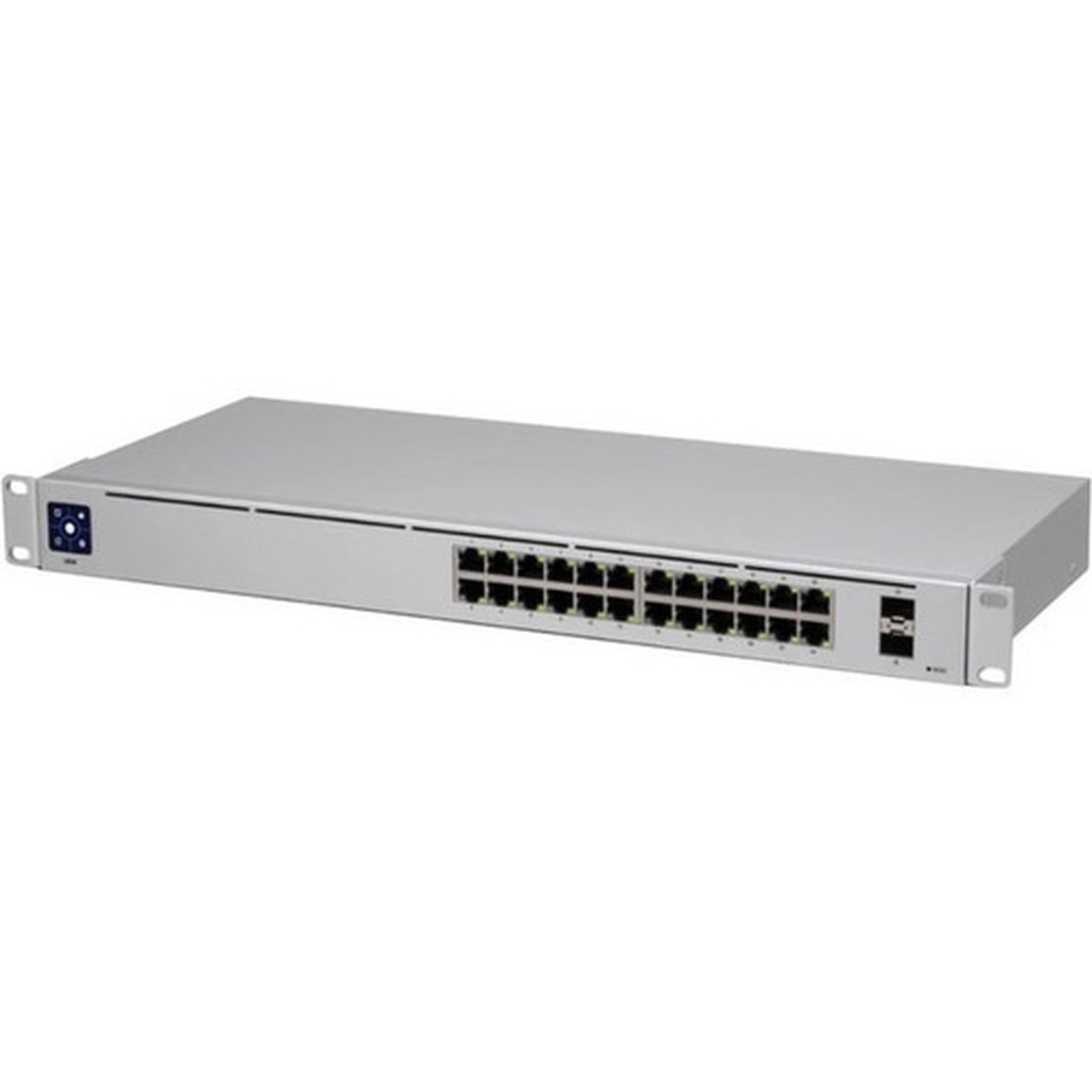
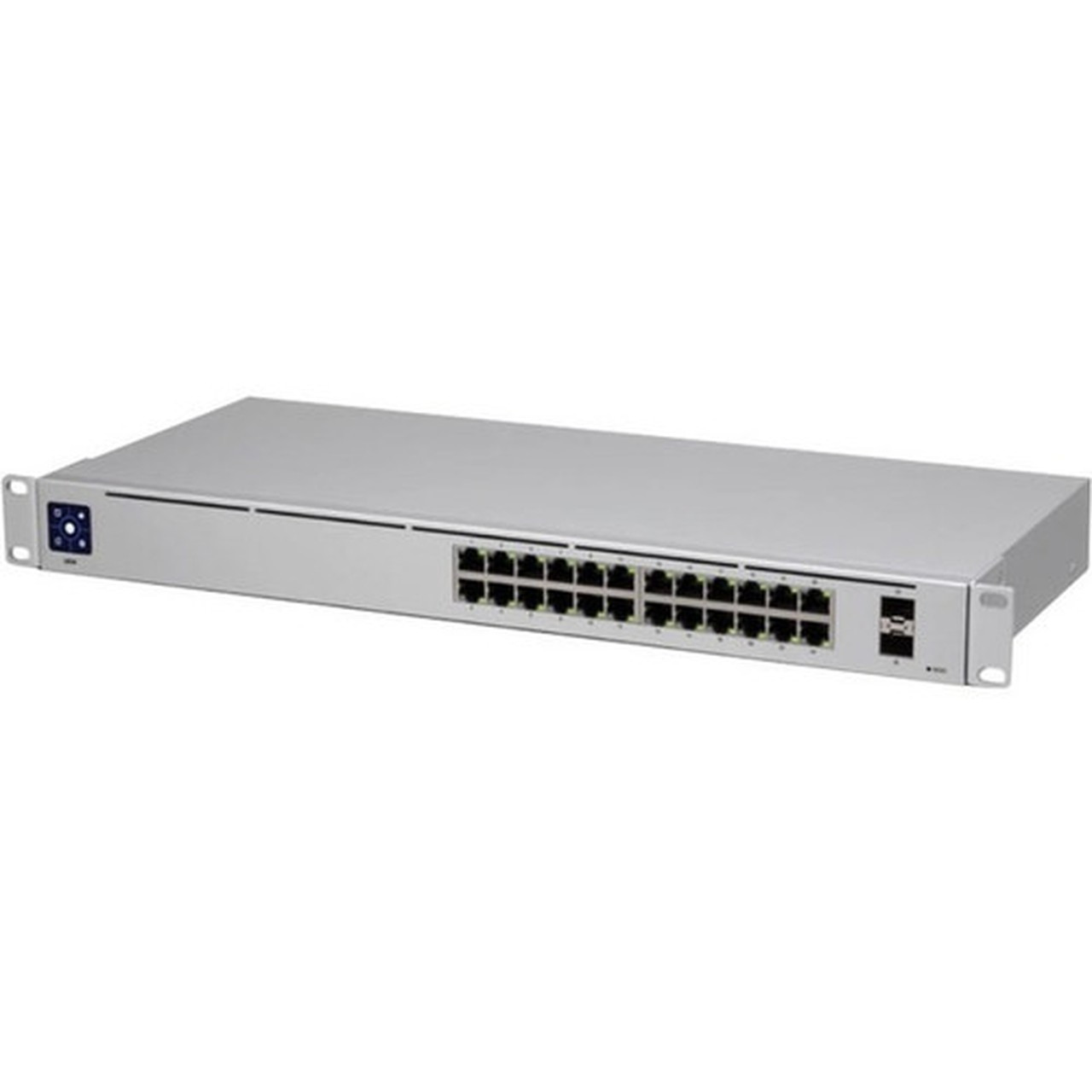
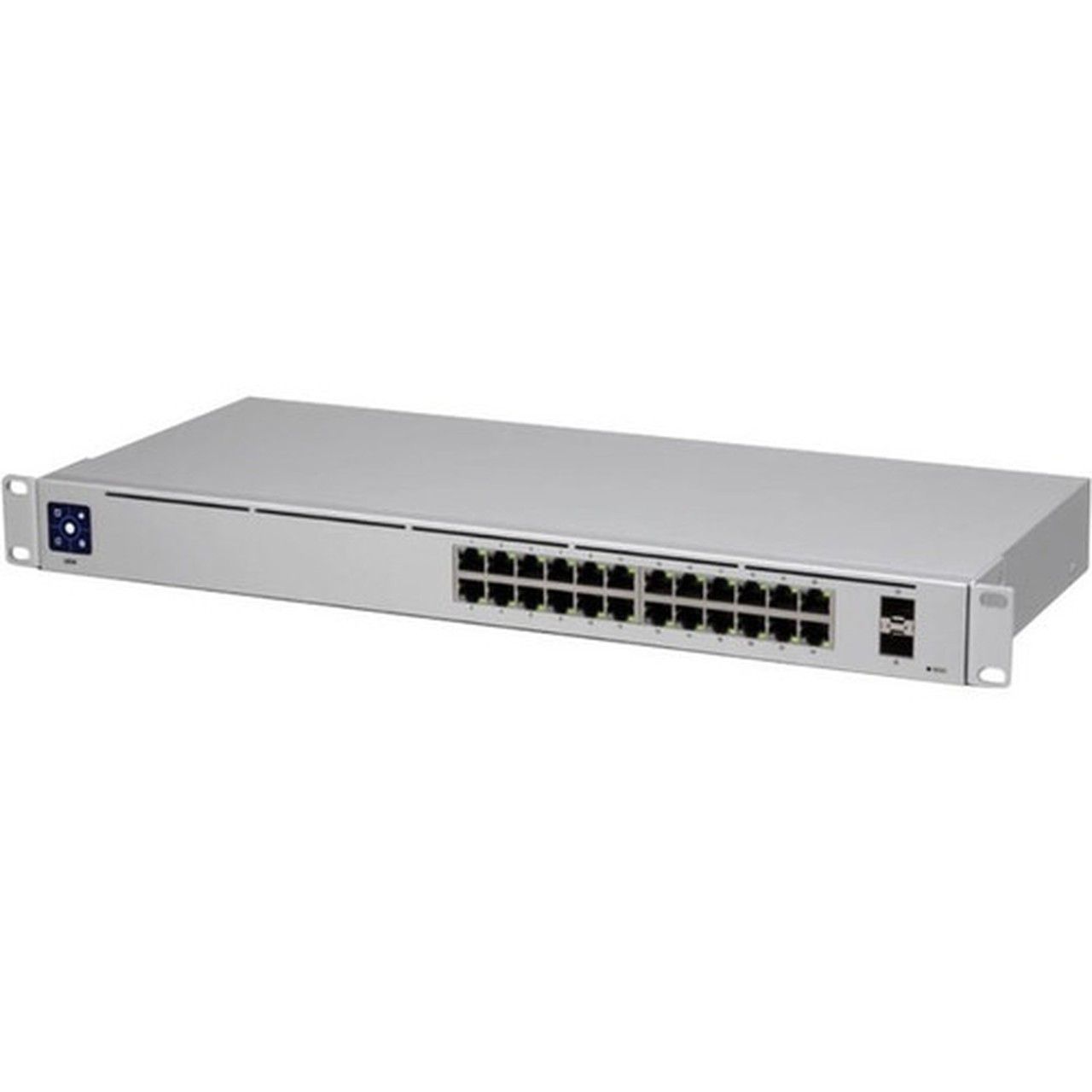
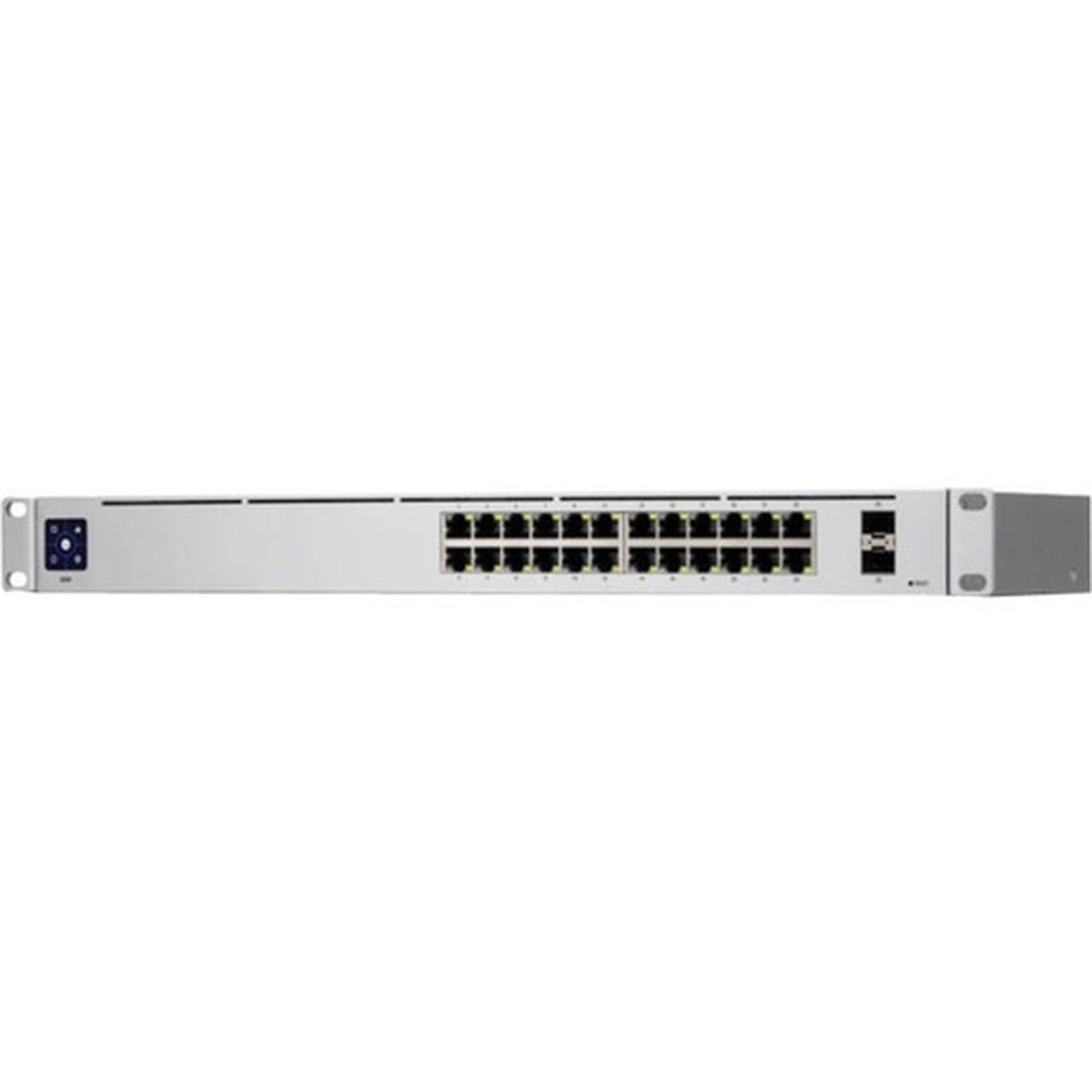
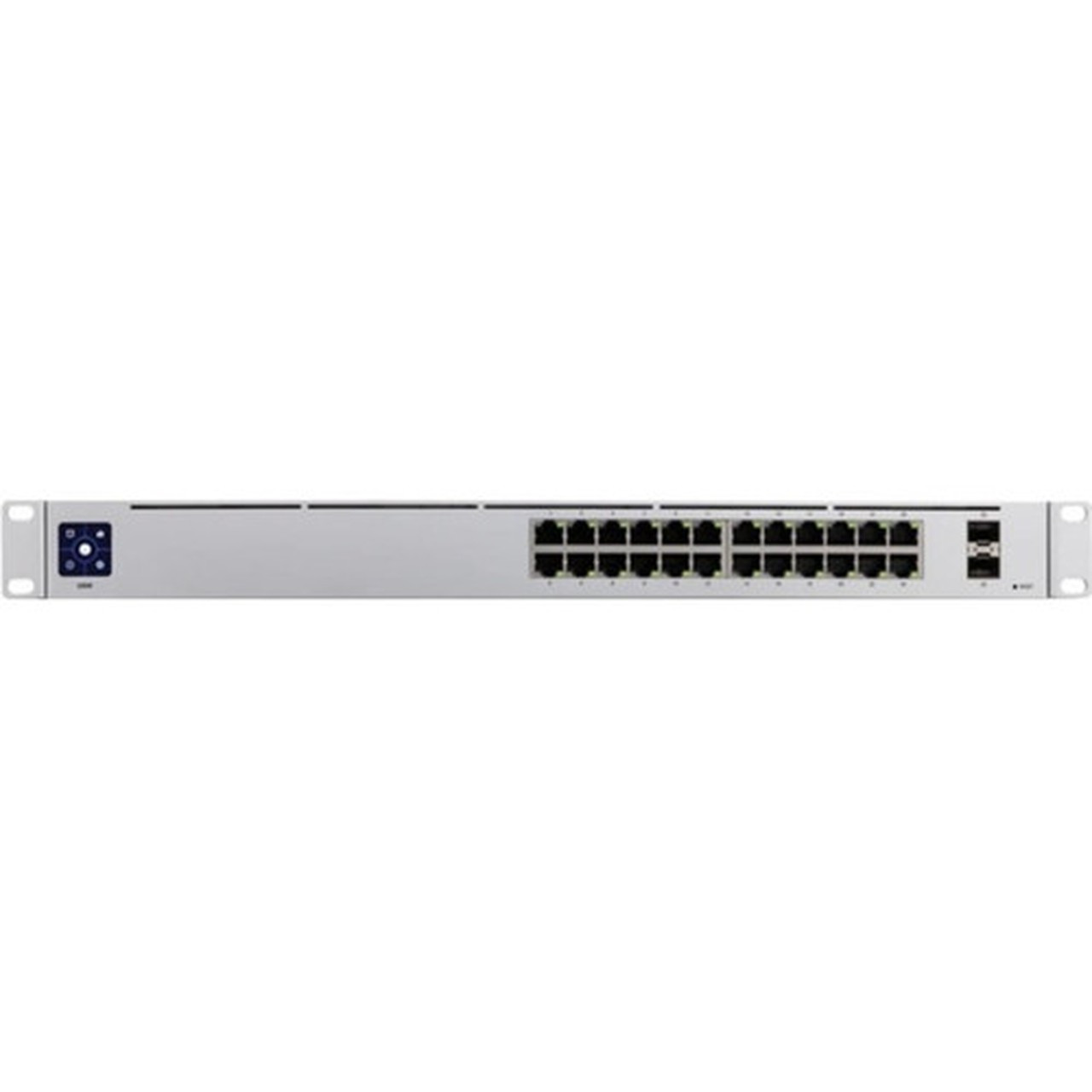
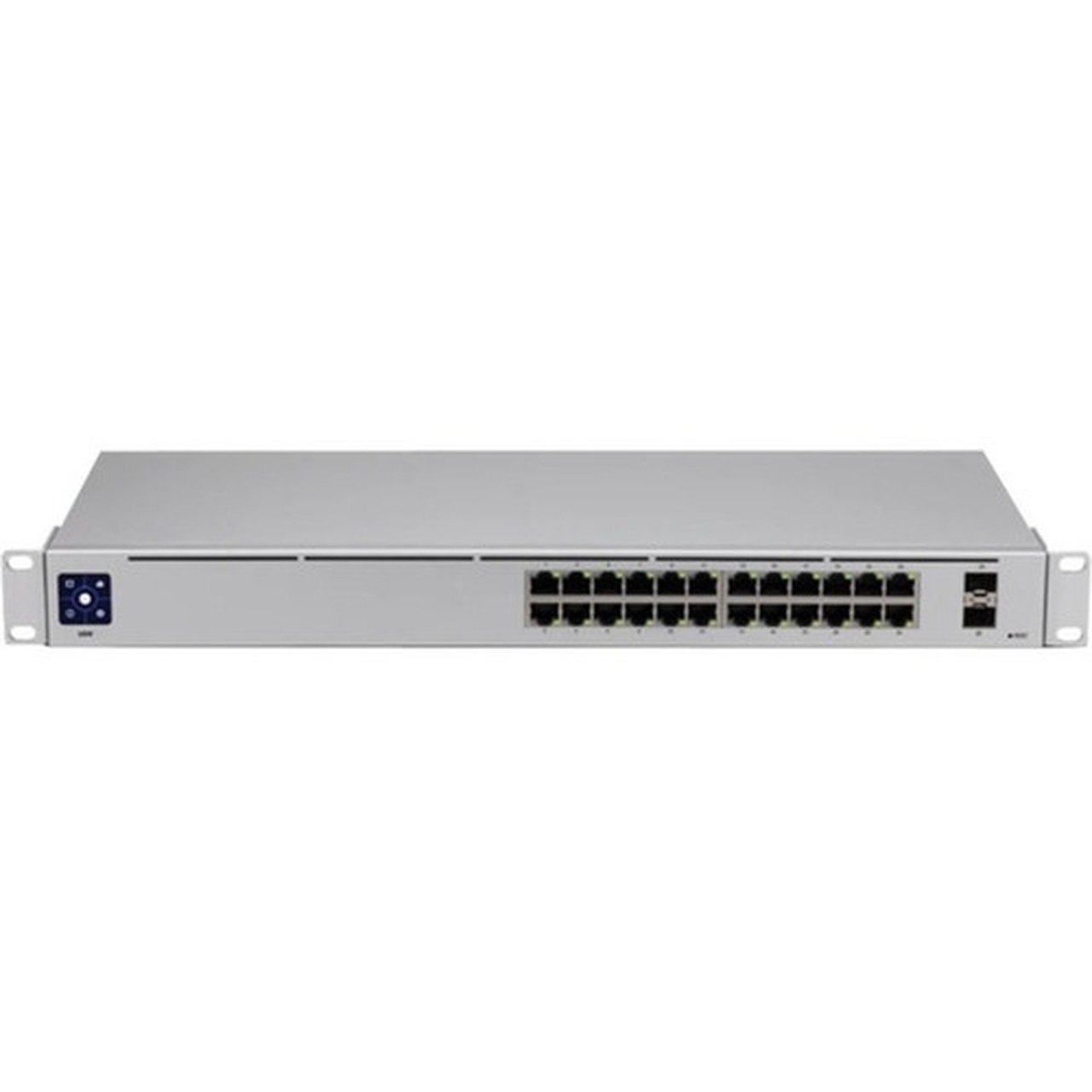
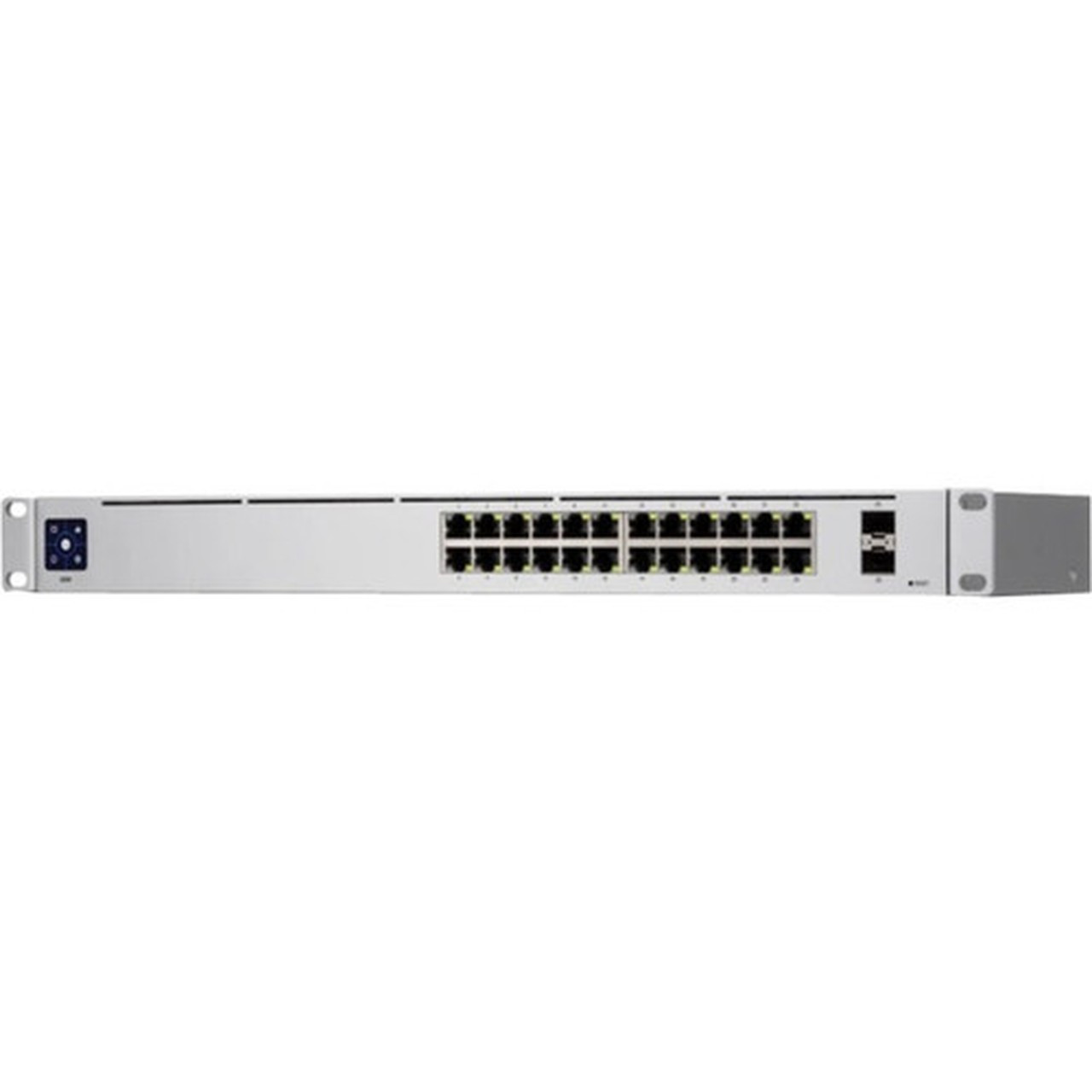
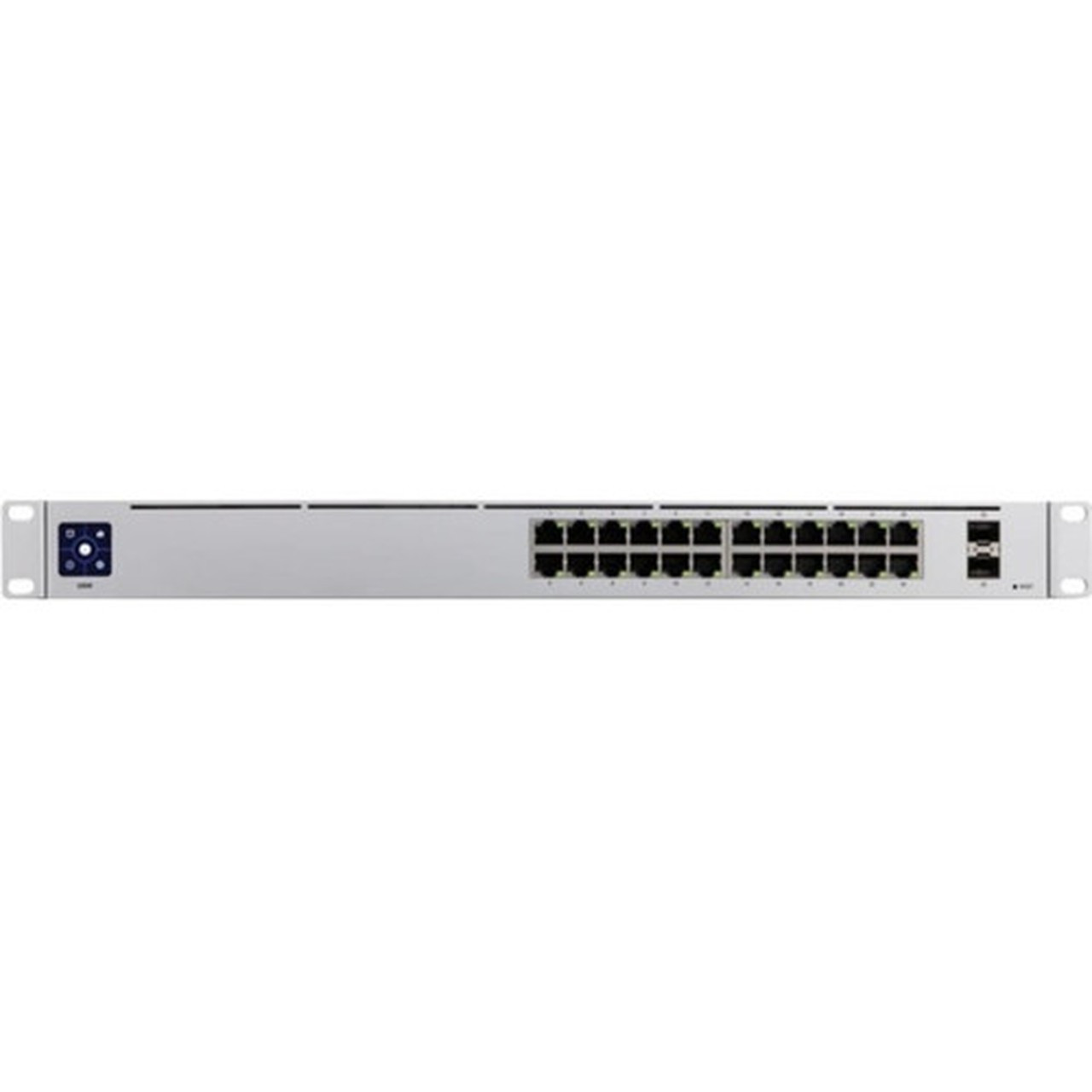
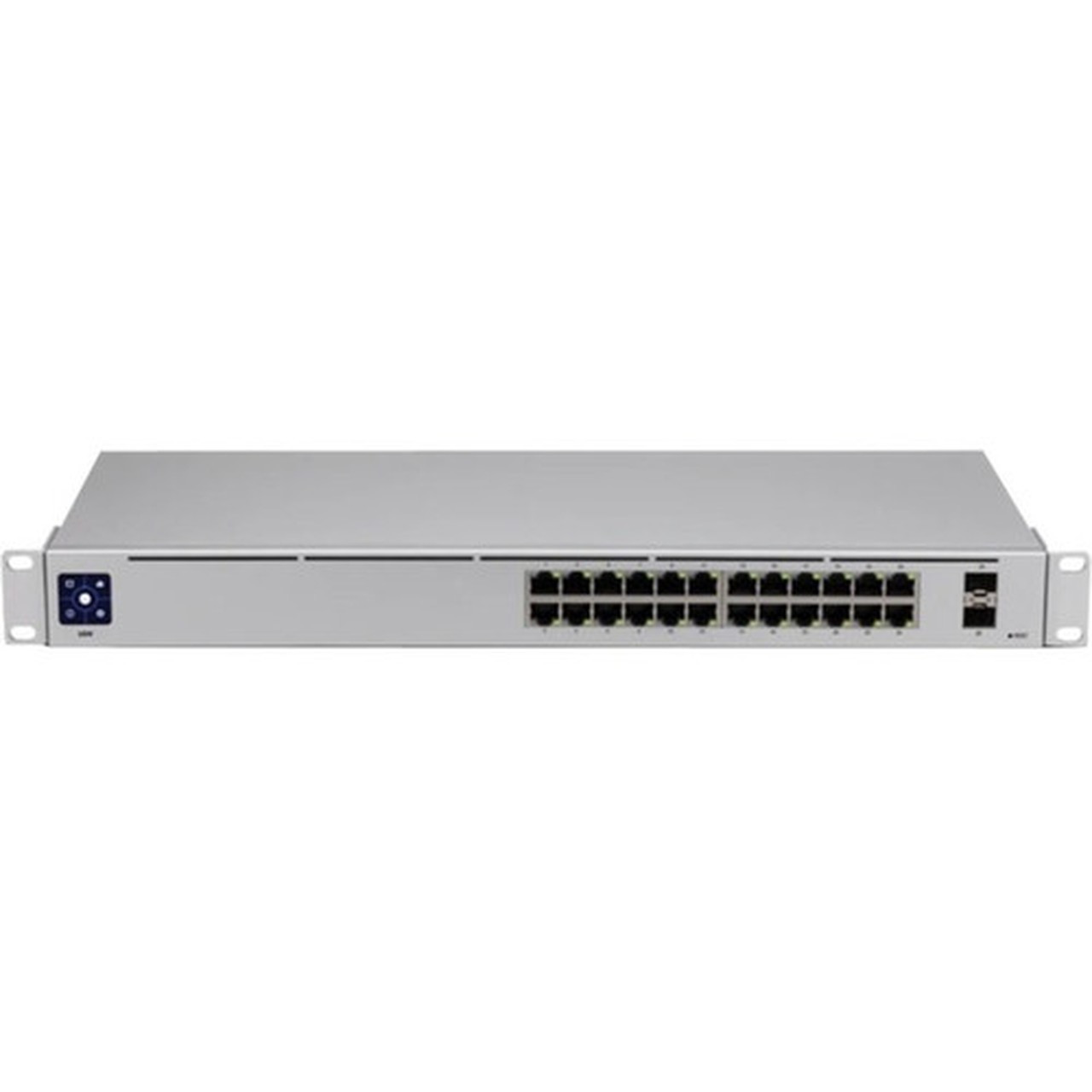
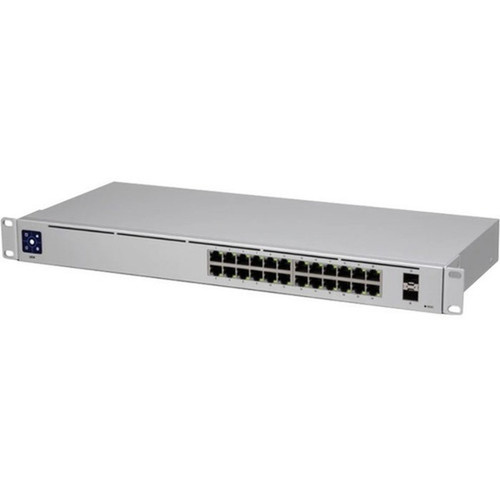
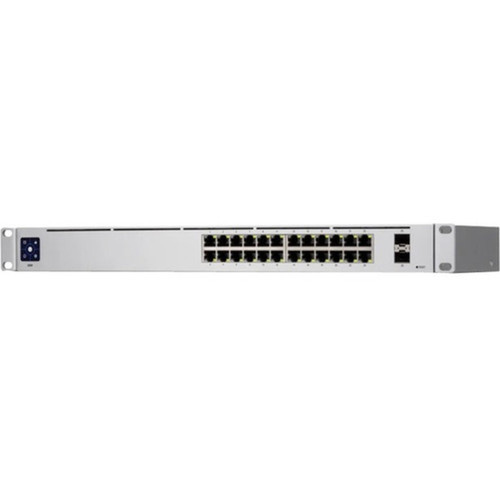
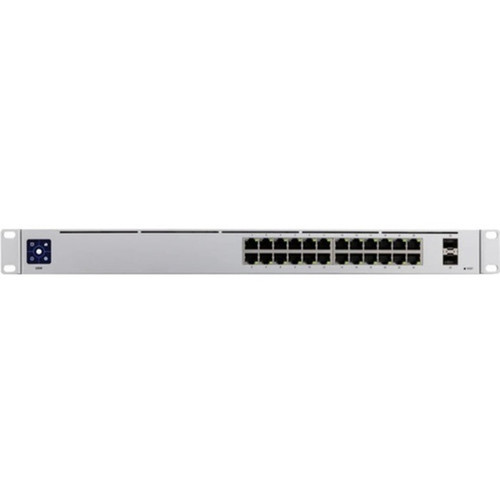
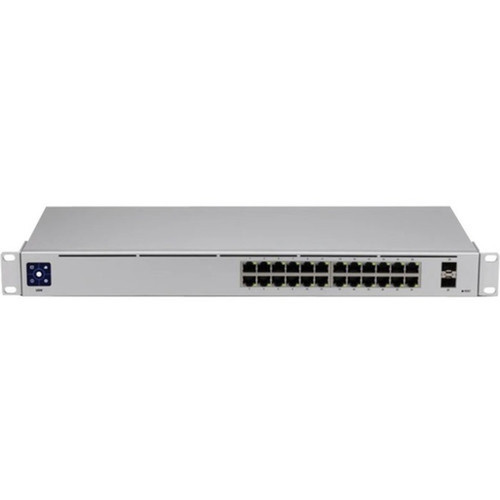
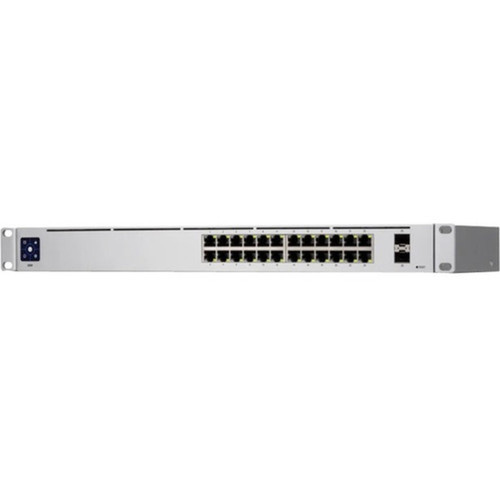
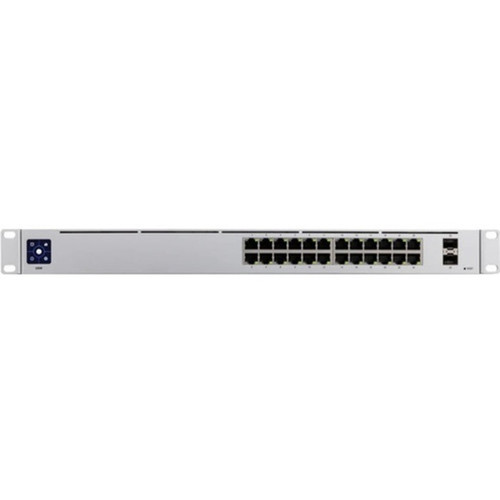
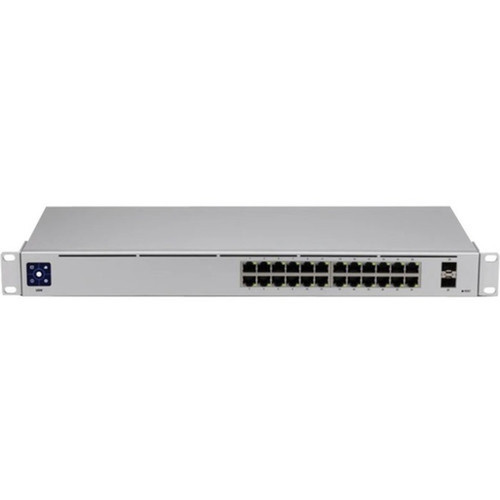
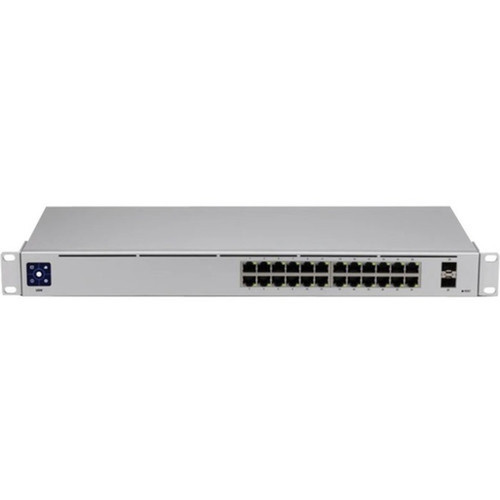
Ubiquiti USW-24 UniFi Switch 24 - 24-Port Gigabit Managed Layer 2 Switch with 2 SFP Slots - 1U Rack-Mountable

Business volume discounts
Technical guidance
Preparation & staging
QC · ON · AB · BC
Product Features
Technical Overview
Technically, the USW-24 delivers full Gigabit Ethernet performance across all 24 ports, supporting both twisted pair (1000Base-T) and optical fiber (1000Base-X) via its SFP slots. It operates at Layer 2 of the OSI model, enabling essential switching functions like MAC address learning, VLAN tagging, and spanning tree protocol for network stability.
The switch is manageable through the UniFi Controller, providing a unified interface for setup, real-time monitoring, and configuration adjustments. Its modular design includes non-shared SFP slots, allowing independent use of fiber or copper transceivers for flexible uplink connections. Power consumption is optimized at 25 W, contributing to energy-efficient operation in rack environments.
Relevant factors for this section include Total Number of Network Ports, Uplink Port, Modular, Media Type Supported. When those points are considered together, they give buyers a clearer picture of how the product is equipped, how it fits into deployment, and what kind of day-to-day role it is meant to support.
Key Product Advantages
The USW-24 excels in providing a balance of high port density, management capabilities, and physical flexibility. Its fanless design ensures quiet operation, making it suitable for office environments, while the 1U rack profile optimizes space in server rooms or network closets.
Scalable Port Density
With 24 Gigabit ports and 2 SFP slots, this switch supports extensive device connectivity and network expansion without compromising performance.
- Connect PCs, laptops, printers, and peripherals
- Cascade to other switches via uplink ports
- Use SFP slots for high-speed fiber backhaul
Centralized Management
Integration with the UniFi Controller simplifies network administration, offering granular control over configurations and enhanced security.
- Unified setup and monitoring
- Support for VLANs and QoS
- Borderless network experience with Layer 2 features
Deployment / Use Cases
Deploy the Ubiquiti USW-24 in scenarios where scalable Ethernet connectivity and managed switching are priorities. It fits well in retail stores, educational institutions, or branch offices needing to support numerous wired devices while maintaining network control.
For backbone applications, the SFP slots enable fiber connections to extend network reach or aggregate traffic, ensuring low latency and high reliability. The rack-mountable design facilitates integration into existing infrastructure, with environmental compliance adhering to WEEE directives for responsible disposal.
Small to Medium Business Networks
Ideal for offices requiring reliable connectivity for multiple devices, with managed features to segment departments or secure guest access.
Network Expansion and Backbone
Use as a core or distribution switch in larger setups, leveraging SFP slots for high-bandwidth uplinks to other switches or routers.
Physical Profile
The switch features a compact 1U rack-mountable form factor with dimensions of 1.72" (43.70 mm) height, 17.42" (442.40 mm) width, and 7.87" (200 mm) depth. It weighs approximately 5.95 lb (2700 g), making it lightweight yet durable for rack installation. The design includes a rackmount kit for secure mounting in standard server racks, ensuring stable deployment in network closets or data centers.
- Width
- 17.42" (442.40 mm)
- Depth
- 7.87" (200 mm)
- Height
- 1.72" (43.70 mm)
- Weight
- 5.95 lb (2700 g)
What's in the Box
The package includes the UniFi Switch 24 and a rackmount kit, providing everything needed for immediate installation and setup in a rack environment.
Package contents include UniFi Switch 24 Rackmount Kit, UniFi Switch 24. These included items support setup, installation, and immediate deployment without needing to source the core bundled accessories separately.
Highlights
- 24 Gigabit Ethernet ports for extensive device connectivity
- 2 dedicated SFP slots for fiber or copper uplink expansion
- Managed through UniFi Controller for centralized network control
- Layer 2 switching support for VLANs and enhanced security
- 1U rack-mountable design with included rackmount kit
- 25 W power consumption for energy-efficient operation
- Fanless construction ensures quiet performance
- Compatible with twisted pair and optical fiber media
- Environmental compliance with WEEE directives
- 1-year limited warranty for reliable support
Specifications
| Specifications | |
|---|---|
| Manufacturer | Ubiquiti Inc. |
| Manufacturer Part Number | USW-24 |
| Brand Name | Ubiquiti |
| Product Line | UniFi |
| Product Model | USW-24 |
| Product Name | UniFi Switch 24 |
| Product Type | Ethernet Switch |
| Interfaces/Ports | |
| Total Number of Network Ports | 24 |
| Uplink Port | Yes |
| Modular | Yes |
| Port/Expansion Slot Details | 24 x Gigabit Ethernet Network,2 x Gigabit Ethernet Expansion Slot |
| Media & Performance | |
| Media Type Supported | Twisted Pair,Optical Fiber |
| Ethernet Technology | Gigabit Ethernet |
| Network Technology | 1000Base-T,1000Base-X |
| I/O Expansions | |
| Total Number of Expansion Slots | 2.0 |
| Expansion Slot Type | SFP (mini-GBIC) |
| Shared SFP Slot | No |
| Number of SFP Slots | 2 |
| Network & Communication | |
| Layer Supported | 2 |
| Management & Protocols | |
| Manageable | Yes |
| Power Description | |
| Power Source | Power Supply |
| Power Consumption | 25 W |
| Physical Characteristics | |
| Compatible Rack Unit | 1U |
| Form Factor | Rack-mountable |
| Height | 1.72" (43.70 mm) |
| Width | 17.42" (442.40 mm) |
| Depth | 7.87" (200 mm) |
| Weight (Approximate) | 5.95 lb (2700 g) |
| Miscellaneous | |
| Package Contents | UniFi Switch 24 Rackmount Kit |
| Environmentally Friendly | Yes |
| Environmental Compliance | Waste Electrical and Electronic Equipment Directive (WEEE) |
| Warranty | |
| Limited Warranty | 1 Year |
User Manual
FAQ
How many ports does the Ubiquiti USW-24 switch have?
The Ubiquiti USW-24 switch has 24 Gigabit Ethernet ports, providing ample connectivity for devices like computers, printers, and servers in a network. Additionally, it includes 2 SFP slots for expansion, allowing fiber or copper uplinks to other network equipment.
Is this switch manageable, and how is it managed?
Yes, the USW-24 is a fully manageable switch. It is managed through the Ubiquiti UniFi Controller, which offers a centralized interface for configuration, monitoring, and control. This enables features like VLAN setup, QoS policies, and network segmentation for optimized performance and security.
What is the purpose of the SFP slots on this switch?
The 2 SFP slots on the USW-24 are used for network expansion and high-speed uplinks. They support SFP (mini-GBIC) transceivers, allowing connections via optical fiber or copper for extended reach, backbone aggregation, or linking to other switches without sharing bandwidth with the Ethernet ports.
Can this switch be rack-mounted, and what are its dimensions?
Yes, the switch is designed for rack mounting with a 1U form factor. Its dimensions are 1.72 inches in height, 17.42 inches in width, and 7.87 inches in depth, making it compact for standard server racks. A rackmount kit is included for easy installation.
What is the power consumption of the Ubiquiti USW-24?
The power consumption of the USW-24 is 25 watts, which is relatively low for a 24-port managed switch. This energy-efficient design helps reduce operational costs and heat output, suitable for continuous use in business environments.
Does this switch support Layer 2 features, and what are the benefits?
Yes, the USW-24 supports Layer 2 switching, which includes capabilities like MAC address learning, VLAN tagging, and spanning tree protocol. These features enhance network efficiency by reducing broadcast domains, improving security through segmentation, and preventing loops for stable operation.
| Qty | Price | Available |
|---|