


Shipping included*
Exclusions
Additional shipping fees may apply in rare circumstances for deliveries outside standard service areas. In most cases, this only potentially affects shipments to the Northwest Territories and Yukon, as well as certain heavy or oversized items.
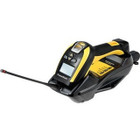
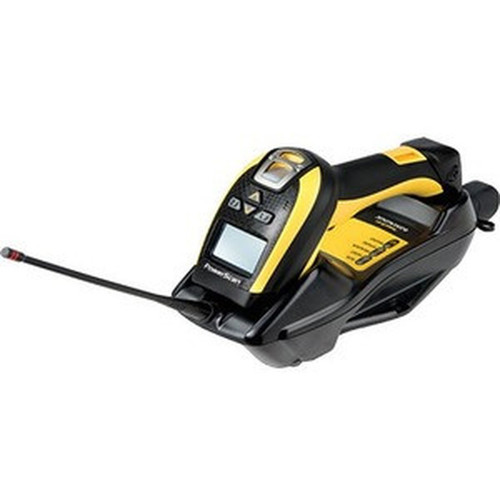
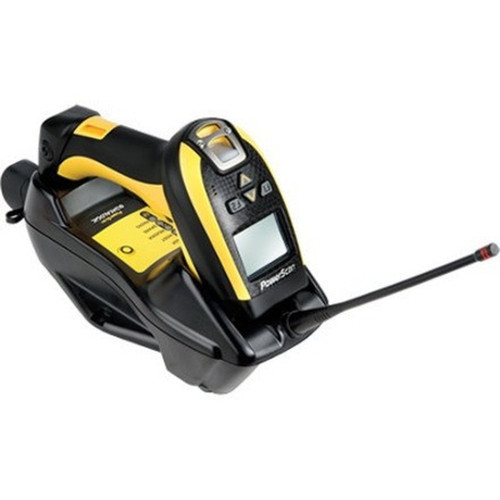
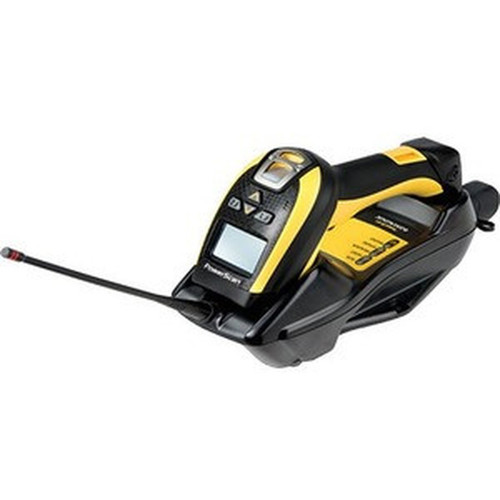
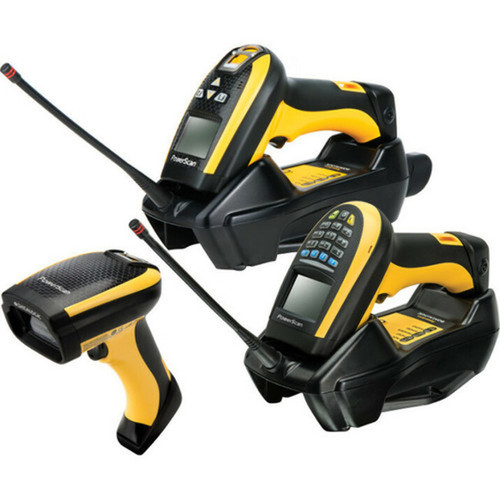
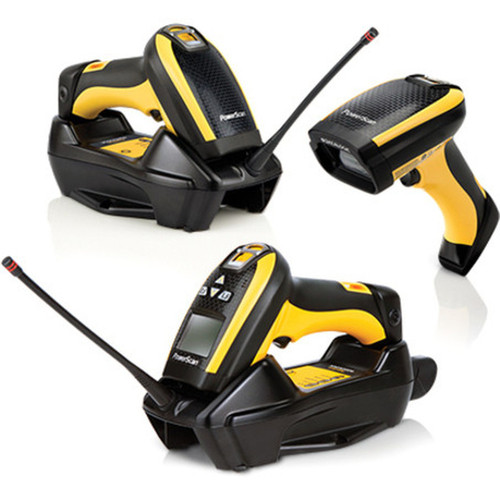
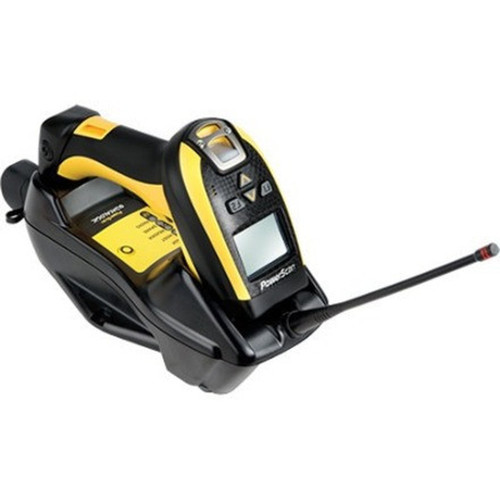
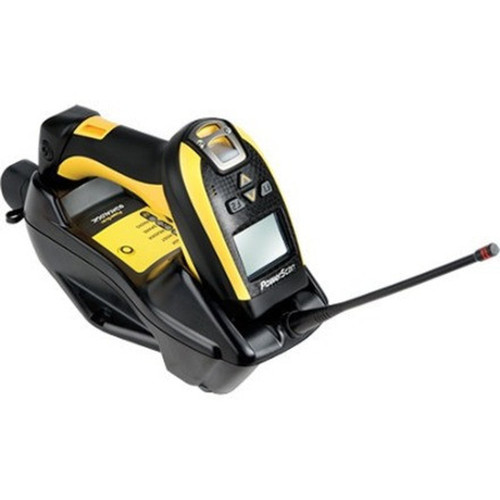
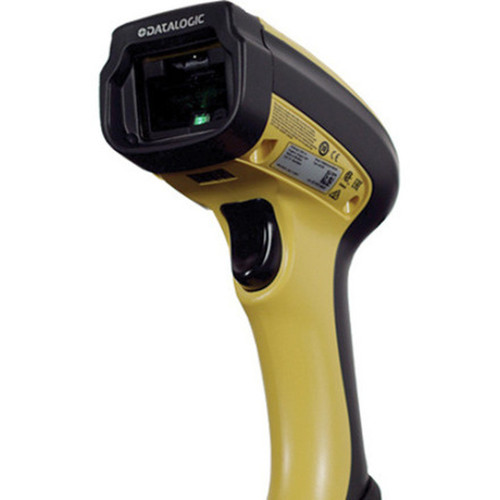
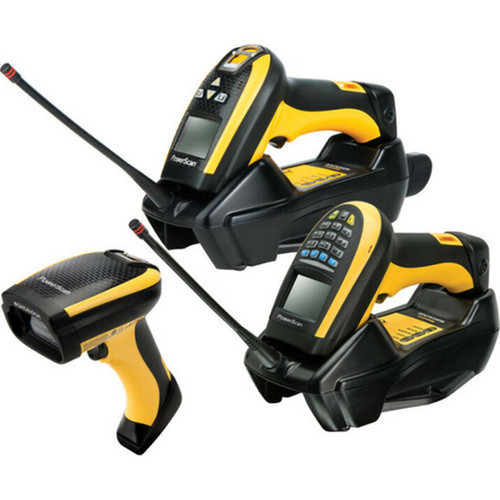
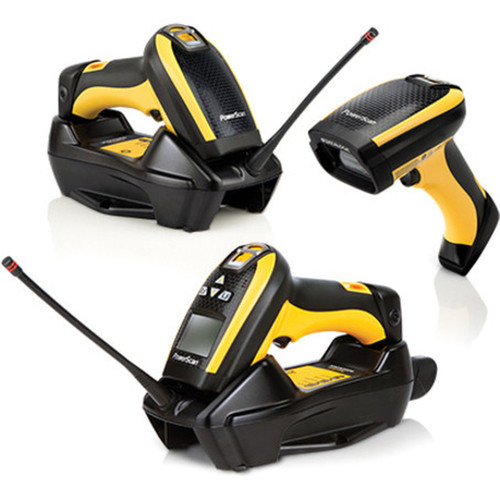
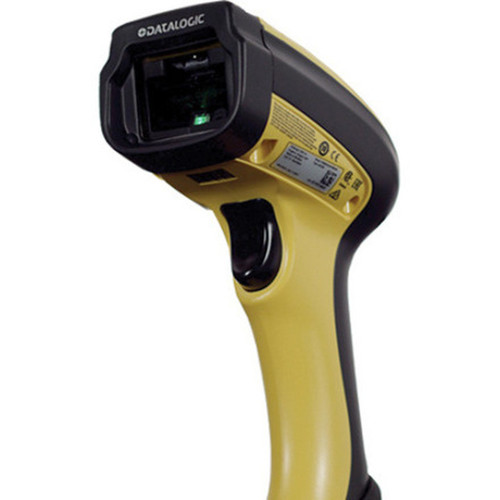
Datalogic PM9100-910RB PowerScan Handheld Wireless Barcode Scanner - 1D Imager - Yellow - Black

Business volume discounts
Technical guidance
Preparation & staging
QC · ON · AB · BC
Product Features
Technical Overview
This scanner uses an imager sensor for 1D barcode capture, supporting industry-standard symbologies including UPC/EAN, Code 128, Code 39, Interleaved 2 of 5, and GS1 DataBar linear codes. The wireless connectivity enables cord-free operation, reducing clutter and improving mobility during scanning tasks.
The PM9100-910RB operates on radio frequency for reliable wireless communication. Its handheld form factor is engineered for extended use, with a weight of 14.29 ounces (405 grams) that balances durability with user comfort during shifts.
This section brings together practical product details such as Connectivity Technology, Scanning Capability, Barcode Symbology Supported, Radio Frequency, so buyers can judge configuration, deployment fit, and day-to-day suitability with less guesswork.
A strong technical summary explains how the product's interfaces, hardware profile, and operating characteristics work together in real deployment. Buyers often need this context to confirm compatibility with existing devices, expected performance in daily use, and whether installation will be straightforward for IT staff or end users.
Key Product Advantages
The PowerScan PM9100-910RB delivers practical benefits for barcode scanning workflows through its combination of wireless operation and comprehensive symbology support.
Wireless Mobility
Eliminate cable restrictions with wireless connectivity that supports flexible scanner placement and user movement during inventory counts or point-of-sale transactions.
- Radio frequency communication
- Cord-free operation
- Reduced workstation clutter
Broad Symbology Support
Scan common 1D barcode formats including retail UPC/EAN, logistics Code 128 and Code 39, and specialized codes like GS1 DataBar for versatile application compatibility.
- UPC/EAN with add-ons
- Code 128 and EAN 128
- Industrial 2 of 5 standards
Durable Construction
The yellow and black housing provides high visibility while withstanding daily use in commercial environments, backed by Datalogic's reliability in scanning technology.
- High-visibility color scheme
- Handheld ergonomics
- 405-gram balanced weight
Deployment / Use Cases
The PM9100-910RB is suited for retail, warehouse, and inventory management scenarios where wireless scanning improves operational efficiency. Its 1D imager technology handles standard barcode formats across different industry applications.
In retail environments, this scanner processes product UPC/EAN codes at point-of-sale or during inventory checks. For warehouse operations, it captures logistics codes like Code 128 and Interleaved 2 of 5 on shipping labels and inventory tags. The wireless design allows scanning from multiple angles without cable limitations, supporting mobile inventory counts and flexible workstation setups.
This section brings together practical product details such as Connectivity Technology, Scanning Capability, Barcode Symbology Supported, Radio Frequency, so buyers can judge configuration, deployment fit, and day-to-day suitability with less guesswork.
Physical Profile
The handheld form factor provides a comfortable grip for extended scanning sessions. The yellow and black color combination ensures the scanner remains visible in busy work areas, reducing misplacement. At 14.29 ounces (405 grams), the unit offers a substantial feel without causing hand fatigue during prolonged use.
The physical profile is practical for deployment planning because the dimensions and weight are clearly defined: 14.29 oz (405 g). This helps confirm rack, shelf, desk, or cabinet fit before installation.
- Weight
- 14.29 oz (405 g)
Highlights
- Wireless connectivity for cord-free scanning operation
- 1D imager sensor captures barcodes accurately
- Supports UPC/EAN, Code 128, Code 39, and GS1 DataBar linear codes
- Handheld form factor designed for extended use comfort
- Yellow and black high-visibility housing
- Weighs 14.29 ounces (405 grams) for balanced handling
- Radio frequency communication ensures reliable wireless performance
- Suitable for retail, warehouse, and inventory management applications
Specifications
| Specifications | |
|---|---|
| Manufacturer | Datalogic S.p.A |
| Manufacturer Part Number | PM9100-910RB |
| Brand Name | Datalogic |
| Product Line | PowerScan |
| Product Series | 9100 |
| Product Model | PM9100-910RB |
| Product Name | PowerScan PM9100-910RB Handheld Barcode Scanner |
| Product Type | Barcode Scanner |
| Technical Information | |
| Connectivity Technology | Wireless |
| Scanning Capability | 1D |
| Barcode Symbology Supported | 1D: GS1 DataBar™ linear codes UPC/EAN UPC/ EAN P2/P5 add ons UPC/EAN Coupons ISBN Code 128 EAN 128 Code 39 Code 39 Full ASCII Code 39 CIP Code 32 Codabar Interleaved 2 of 5 IATA Industrial 2 of 5 Standard 2 of 5 Code 11 MSI Plessey Code 93 Follet 2/5 Code 4 Code 5 Datalogic 2 of 5 Codablock F |
| Image Sensor Type | Imager |
| Network & Communication | |
| Radio Frequency | Yes |
| Physical Characteristics | |
| Form Factor | Handheld |
| Product Color | Yellow,Black |
| Weight (Approximate) | 14.29 oz (405 g) |
| Miscellaneous | |
| Country of Origin | Slovakia |
FAQ
What types of barcodes can the PM9100-910RB scanner read?
This scanner reads 1D barcode symbologies including UPC/EAN with P2/P5 add-ons, UPC/EAN coupons, ISBN, Code 128, EAN 128, Code 39 (Full ASCII and CIP variants), Code 32, Codabar, Interleaved 2 of 5, IATA, Industrial 2 of 5, Standard 2 of 5, Code 11, MSI Plessey, Code 93, Follet 2/5, Code 4, Code 5, Datalogic 2 of 5, and Codablock F. It supports retail, logistics, and specialized labeling formats.
How does the wireless connectivity work on this barcode scanner?
The PM9100-910RB uses radio frequency wireless technology to communicate with its base station or connected system. This eliminates physical cable connections, allowing greater mobility during scanning tasks. The wireless operation reduces workstation clutter and supports flexible scanner placement in retail, warehouse, or inventory environments.
What is the advantage of an imager sensor over laser scanning?
Imager sensors capture barcodes using digital imaging technology, which can read damaged, poorly printed, or low-contrast barcodes more effectively than laser scanners in some conditions. Imagers also support reading barcodes from screens and offer no moving parts for potentially greater durability in high-use environments.
Is this scanner suitable for retail point-of-sale applications?
Yes, the PM9100-910RB is well-suited for retail POS with its support for standard UPC/EAN barcodes, wireless operation that reduces counter clutter, and handheld design that allows quick scanning of products. The yellow and black housing provides high visibility at checkout stations.
What is the weight and form factor of this barcode scanner?
The scanner has a handheld form factor weighing 14.29 ounces (405 grams). This balanced weight provides a substantial feel without causing hand fatigue during extended scanning sessions. The ergonomic design supports comfortable grip for retail, warehouse, or inventory management shifts.
Can this scanner be used in warehouse inventory management?
Absolutely. The PM9100-910RB supports logistics barcode formats like Code 128, Interleaved 2 of 5, and Industrial 2 of 5 commonly used on shipping labels and inventory tags. The wireless connectivity allows mobile scanning during warehouse walks, and the durable construction withstands commercial environment use.
What duplex or duty-cycle detail is listed?
the specifications are intended to help buyers confirm fit, compatibility, and expected day-to-day operation. In practical terms, the best reading of this product comes from how its hardware, connectivity, and deployment details work together.
What connectivity options are listed?
Connectivity details help confirm how the product integrates with your network, accessories, and surrounding peripherals before rollout or replacement planning. They are often the difference between a technically compatible device and one that is genuinely easy to deploy.
| Qty | Price | Available |
|---|