




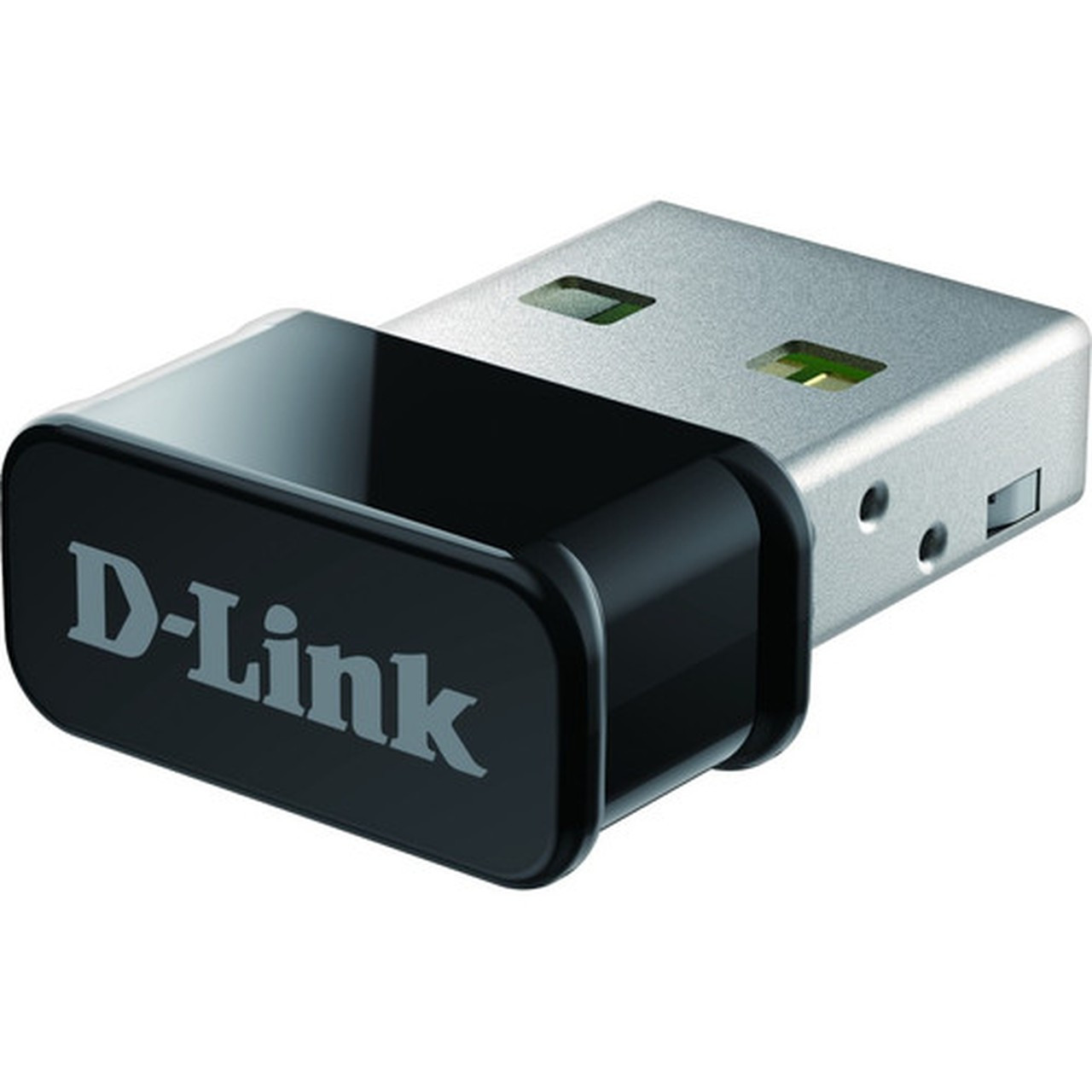
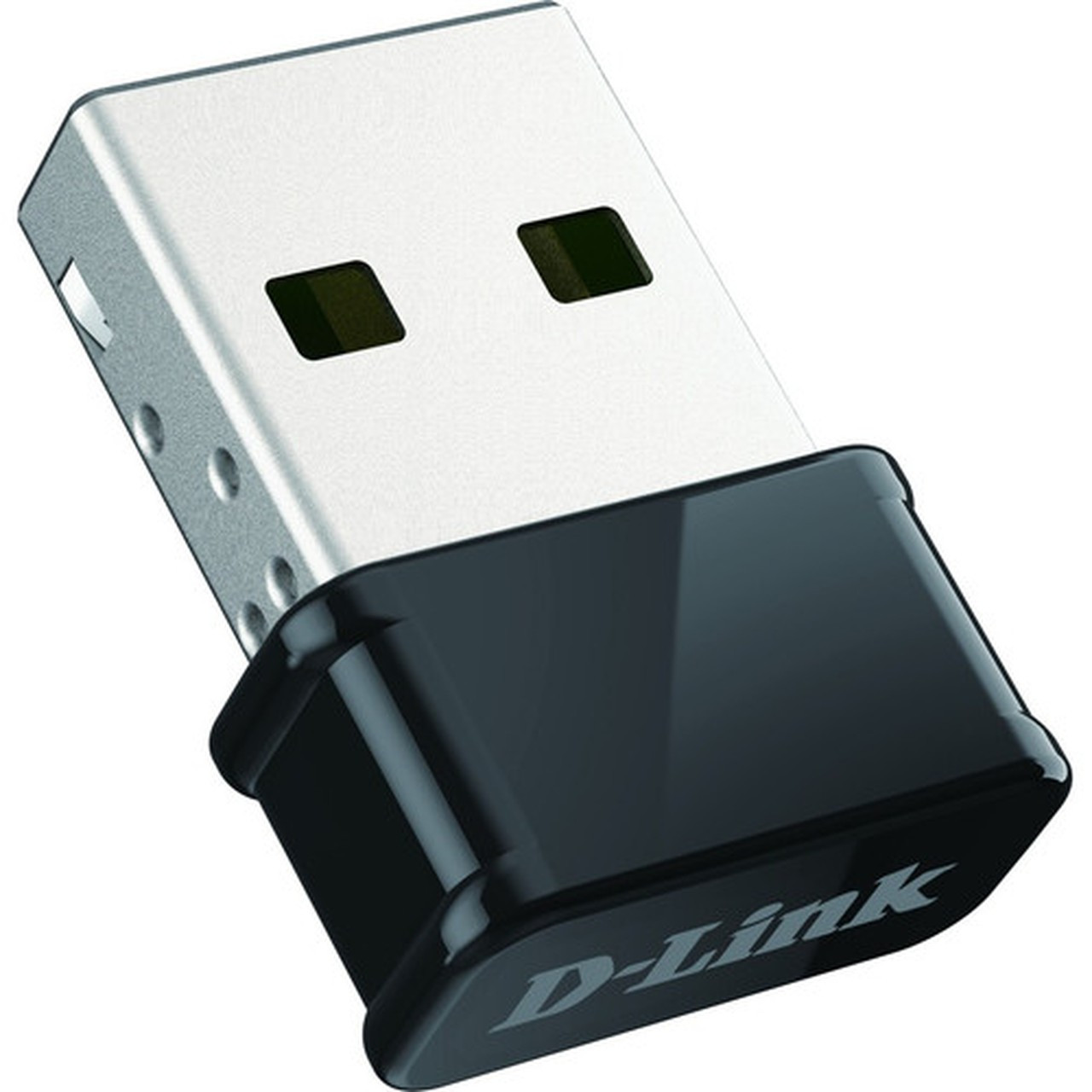
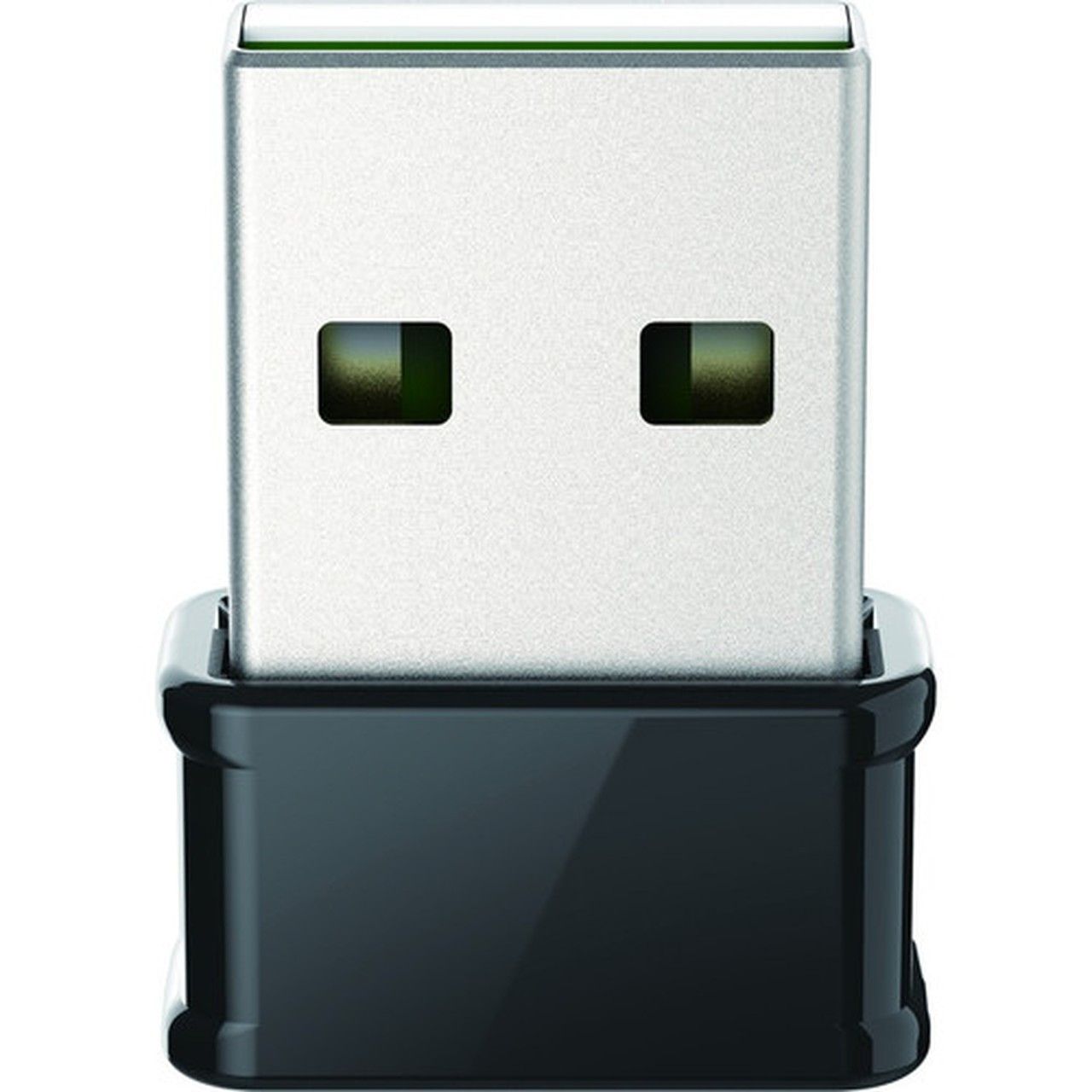


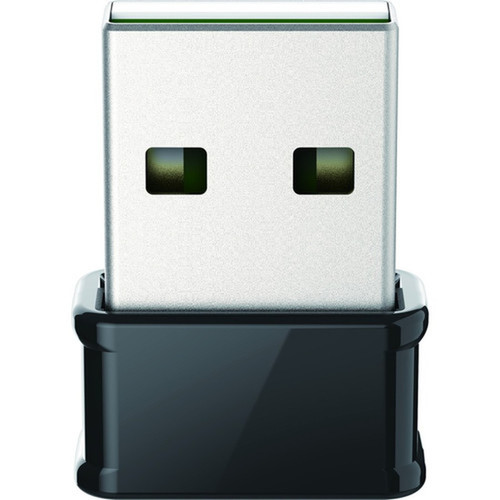
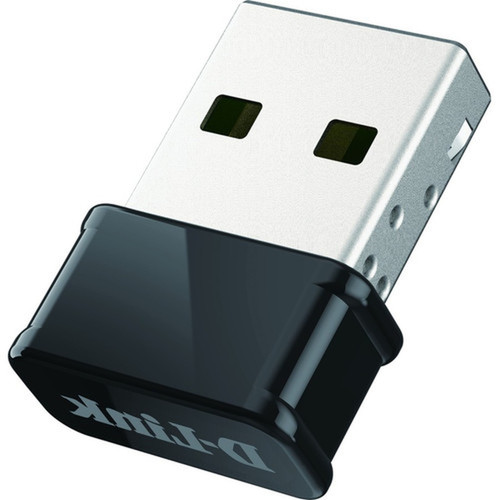
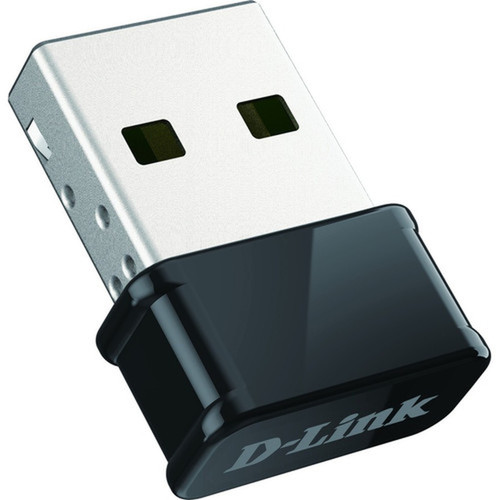
Images are indicative; the supplied product may vary in appearance.
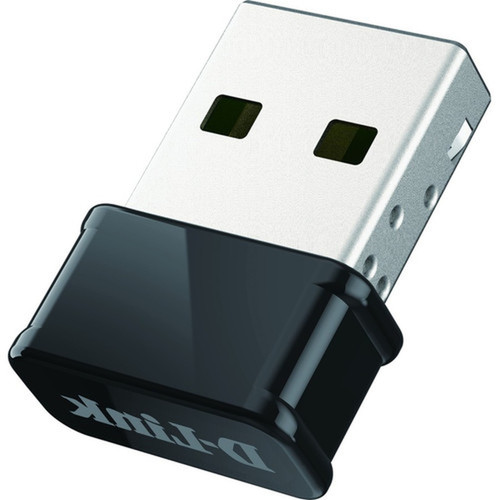
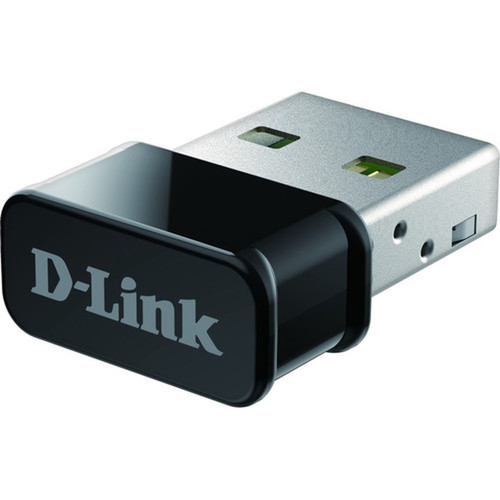
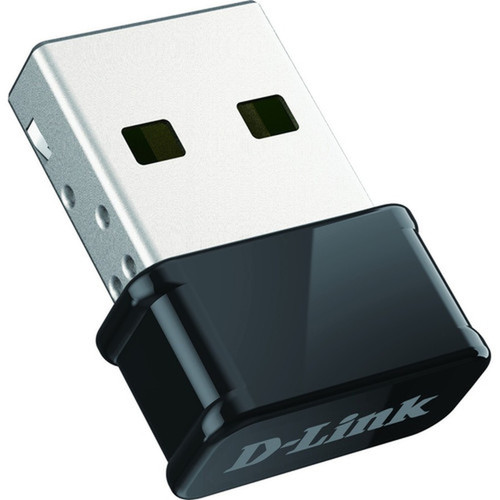
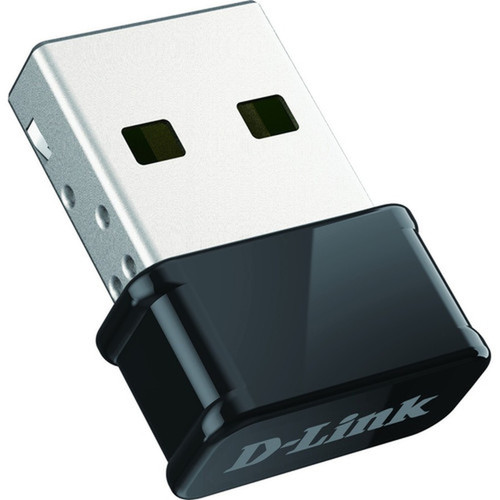
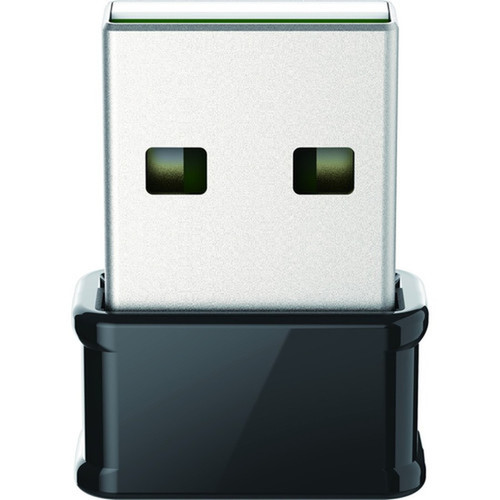
D-Link DWA-181 AC1300 MU-MIMO Wi-Fi Nano USB Adapter - IEEE 802.11ac Dual-Band 1.27 Gbit/s - USB 2.0
Manufacturer: D-Link
FleetNetwork servicesServices FleetNetwork
Business volume discounts
Technical guidance
Preparation & staging
QC · ON · AB · BC
Order with confidenceCommander en confiance
TLS encrypts payment data in transit.Les données de paiement sont chiffrées en transit par TLS.
Tracked delivery across Canada.Livraison avec suivi au Canada. Returns policyPolitique de retour
A Canadian business since 2007.Une entreprise québécoise depuis 2007. 1-844-836-8268
Product Features
Product Overview
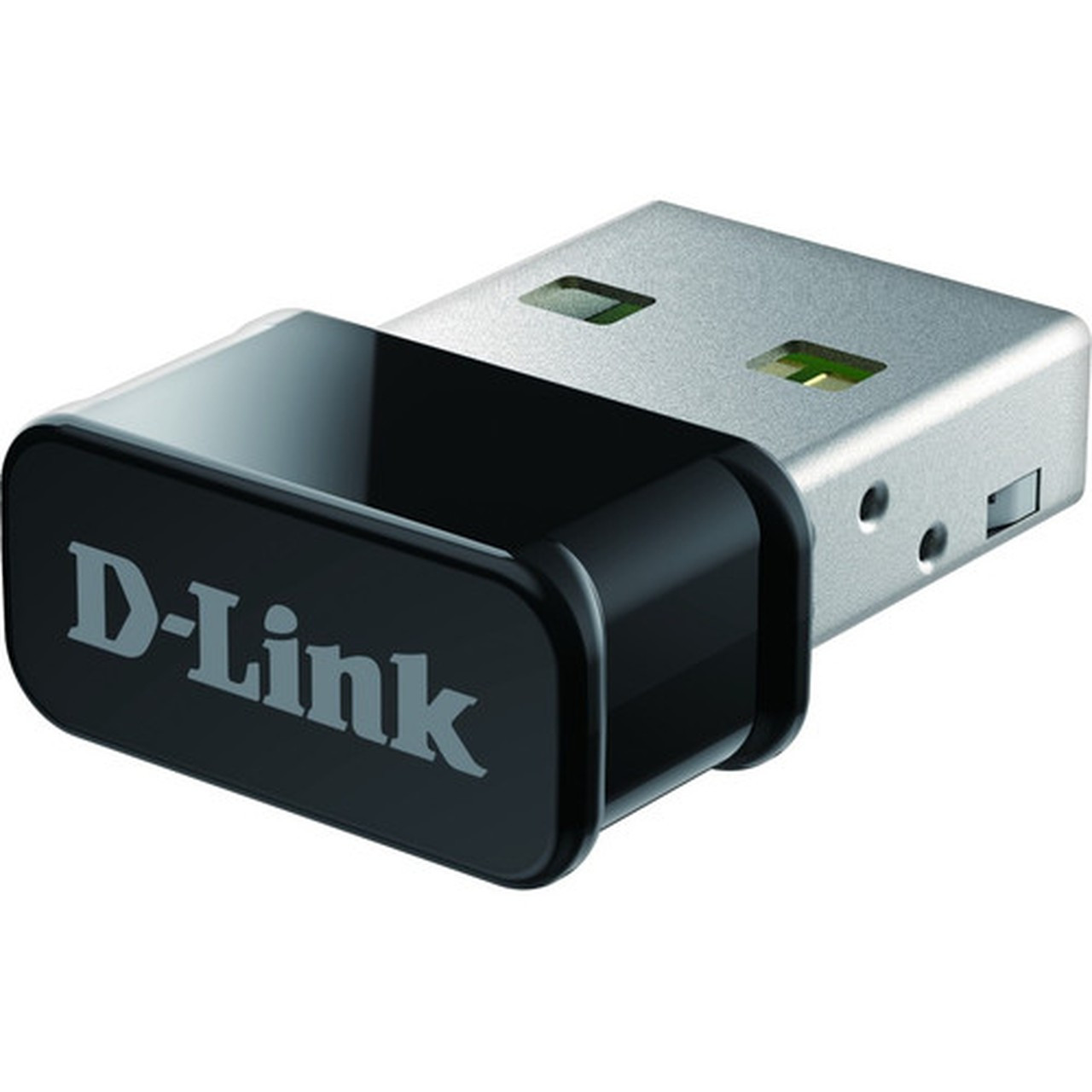
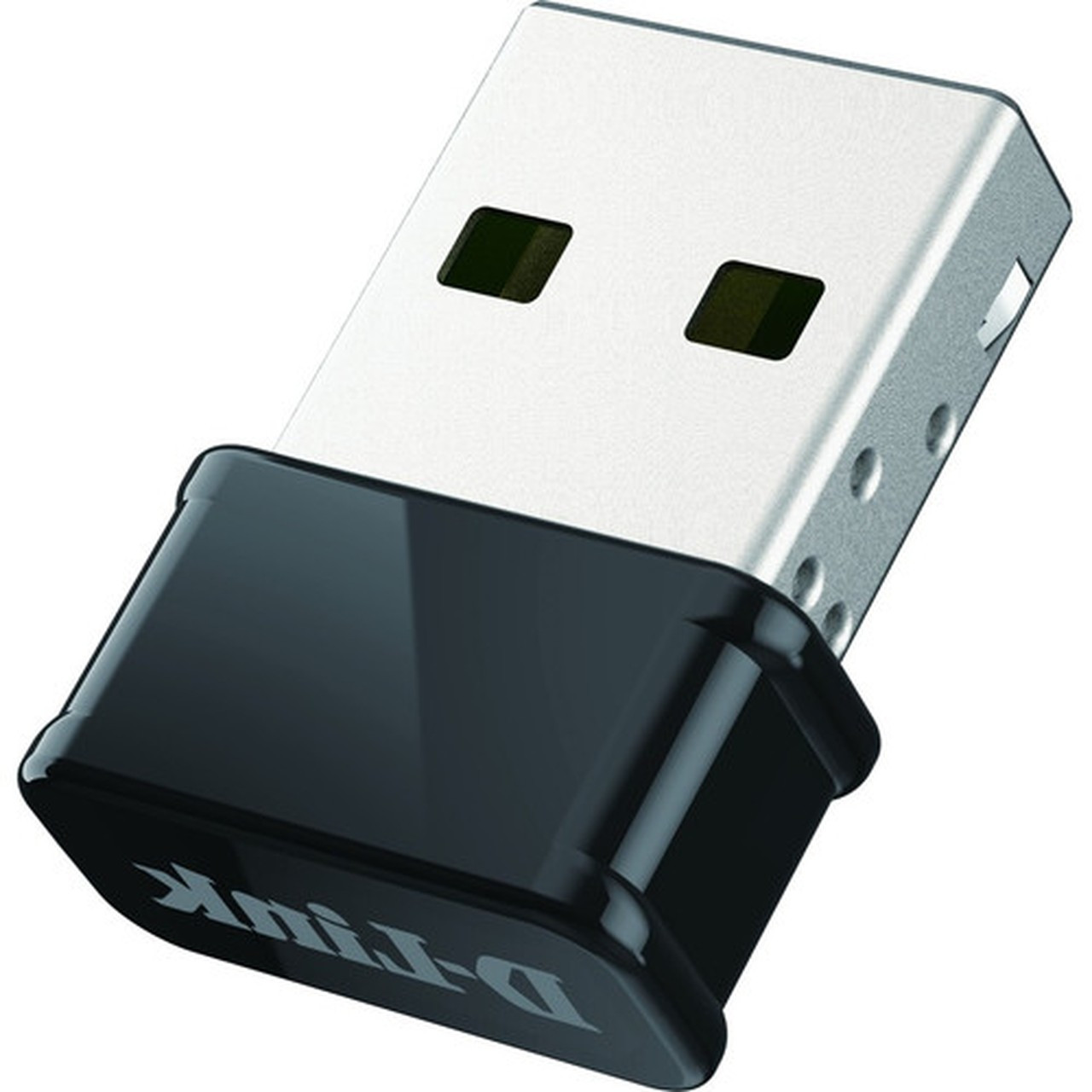
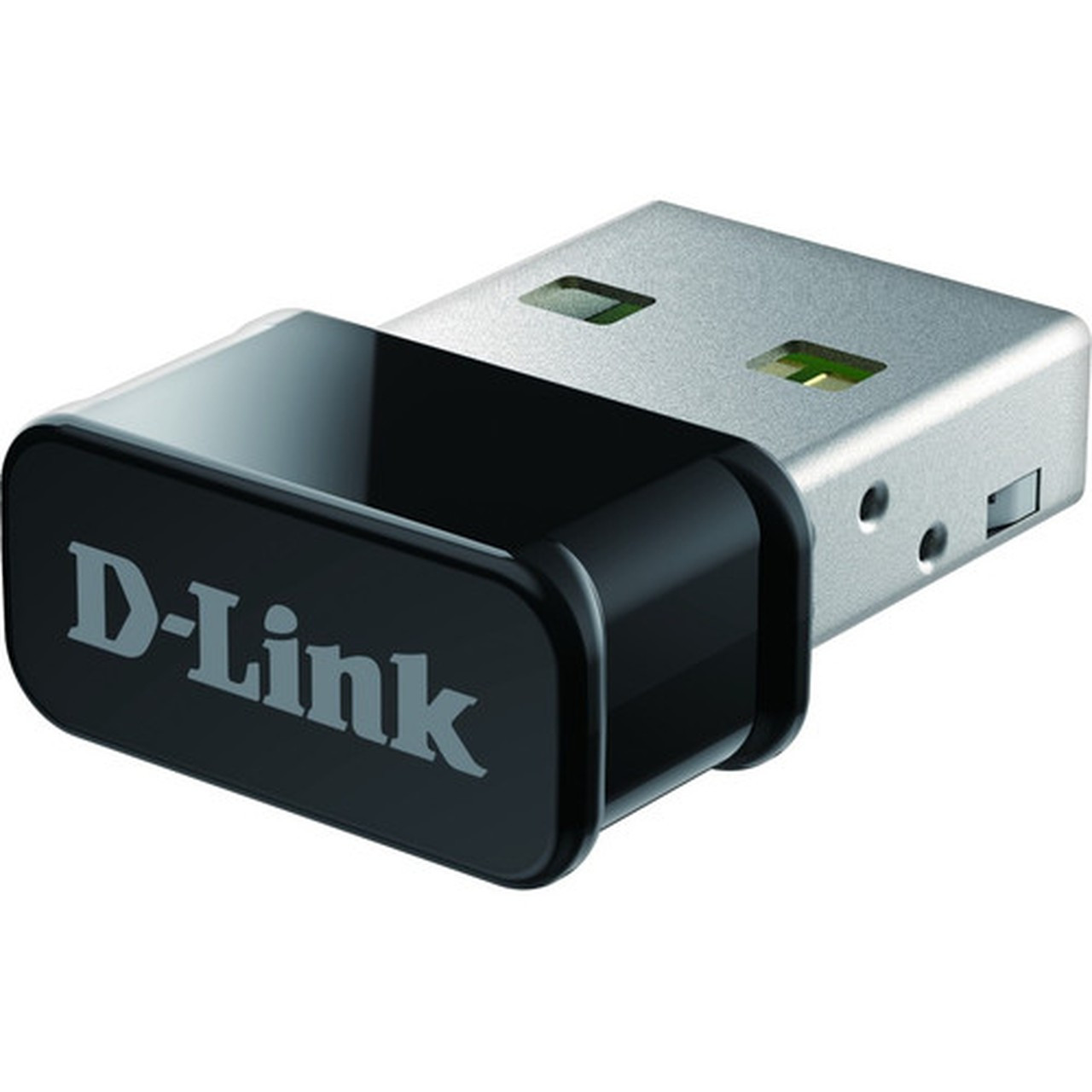
The D-Link DWA-181 AC1300 MU-MIMO Wi-Fi Nano USB Adapter is a compact external wireless adapter designed to upgrade desktop and notebook computers with modern Wi-Fi 5 connectivity. It delivers dual-band IEEE 802.11ac performance with speeds up to 1.27 Gbit/s, supporting both the 2.4 GHz ISM and 5 GHz UNII frequency bands for flexible network access.
This adapter features a nano-sized form factor that minimizes desk clutter while providing reliable wireless connections. It connects via a standard USB 2.0 port, making installation straightforward without requiring internal hardware modifications. The Energy Star certification indicates efficient power consumption, suitable for continuous operation in business and home office environments.
Relevant factors for this section include Wi-Fi Generation, Wireless LAN Standard, ISM Band, Host Interface. When those points are considered together, they give buyers a clearer picture of how the product is equipped, how it fits into deployment, and what kind of day-to-day role it is meant to support.
Technical Overview
Built on the IEEE 802.11ac wireless standard (Wi-Fi 5), the DWA-181 supports MU-MIMO technology for improved multi-device performance. It achieves a maximum theoretical wireless transmission speed of 1.27 Gbit/s across dual frequency bands: 2.40 GHz in the ISM band and 5 GHz in the UNII band. This dual-band capability allows the adapter to connect to both legacy 2.4 GHz networks and modern 5 GHz networks for reduced interference and higher throughput.
The adapter uses a USB 2.0 host interface, providing sufficient bandwidth for its wireless capabilities while maintaining broad compatibility with most computers. Its external form factor makes it ideal for systems without built-in Wi-Fi or those needing a wireless upgrade without opening the chassis. The compact nano design keeps the adapter discreet when plugged in, and it supports both desktop computers and notebooks for versatile deployment.
Key Product Advantages
The DWA-181 combines high-speed wireless performance with a user-friendly design that requires no technical expertise to install. Its nano form factor and plug-and-play USB connectivity make it an accessible upgrade for improving network reliability and speed.
Enhanced Connectivity
Delivers IEEE 802.11ac dual-band Wi-Fi up to 1.27 Gbit/s, providing faster and more reliable connections compared to older wireless standards.
- Supports 2.4 GHz and 5 GHz bands
- MU-MIMO for efficient multi-device handling
- Reduces network congestion
Easy Installation
Plug-and-play USB 2.0 interface allows quick setup without drivers in most modern operating systems, ideal for non-technical users.
- No internal hardware required
- Works with desktop and notebook computers
- Compact design minimizes desk space
Energy Efficiency
Energy Star certification ensures lower power consumption during operation, contributing to reduced energy costs in business environments.
- Suitable for always-on deployments
- Environmentally friendly design
- Complies with efficiency standards
Deployment / Use Cases
This Wi-Fi adapter is designed for environments where reliable wireless connectivity is needed without the complexity of internal hardware upgrades. It serves as a practical solution for extending network capabilities to devices lacking built-in Wi-Fi or those with outdated wireless cards.
Common deployment scenarios include upgrading older desktop computers in office settings to support modern Wi-Fi networks, adding wireless functionality to specialized workstations that only have wired Ethernet, and enhancing notebook computers with faster dual-band connectivity for better performance in congested network areas. The adapter's compact size also makes it suitable for portable setups where space is limited.
Office Desktop Upgrades
Ideal for updating legacy desktop systems in business environments to connect to modern Wi-Fi networks without installing internal cards.
Notebook Performance Boost
Enhances wireless speed and reliability on notebooks with older Wi-Fi adapters, especially in areas with multiple networks.
Highlights
- AC1300 MU-MIMO Wi-Fi Nano USB Adapter for enhanced wireless performance
- IEEE 802.11ac dual-band support with speeds up to 1.27 Gbit/s
- Supports both 2.4 GHz ISM and 5 GHz UNII frequency bands
- USB 2.0 host interface for plug-and-play connectivity
- Compact external form factor ideal for desktops and notebooks
- Energy Star certified for efficient power consumption
- Compatible with desktop computers and notebooks
- No internal hardware installation required
Specifications
| Specifications | |
|---|---|
| Manufacturer | D-Link Systems, Inc |
| Manufacturer Part Number | DWA-181 |
| Brand Name | D-Link |
| Product Model | DWA-181 |
| Product Name | AC1300 MU-MIMO Wi-Fi Nano USB Adapter |
| Product Type | Wi-Fi Adapter |
| Technical Information | |
| Wi-Fi Generation | Wi-Fi 5 |
| Wireless LAN Standard | IEEE 802.11ac |
| ISM Band | Yes |
| UNII Band | Yes |
| ISM Maximum Frequency | 2.40 GHz |
| UNII Maximum Frequency | 5 GHz |
| Wireless Transmission Speed | 1.27 Gbit/s |
| Interfaces/Ports | |
| Host Interface | USB 2.0 |
| Physical Characteristics | |
| Form Factor | External |
| Miscellaneous | |
| Device Supported | Desktop Computer,Notebook |
| Energy Star | Yes |
User Manual
FAQ
What wireless standard does the D-Link DWA-181 support?
The D-Link DWA-181 supports the IEEE 802.11ac wireless standard, also known as Wi-Fi 5. This standard provides dual-band connectivity on both 2.4 GHz and 5 GHz frequencies, with a maximum theoretical speed of 1.27 Gbit/s. It includes MU-MIMO technology for improved performance when multiple devices are connected simultaneously.
Is this adapter compatible with both desktop and notebook computers?
Yes, the DWA-181 is compatible with both desktop computers and notebooks. It connects via a USB 2.0 port, which is standard on most computers, and does not require internal hardware installation. This makes it a versatile solution for adding or upgrading wireless connectivity on a wide range of systems without needing technical expertise.
What is the maximum wireless speed of the DWA-181 adapter?
The maximum wireless transmission speed is 1.27 Gbit/s. This speed is achieved under ideal conditions using the IEEE 802.11ac standard across dual frequency bands. Actual speeds may vary based on network environment, distance from the router, and interference, but it provides significant improvement over older Wi-Fi standards like 802.11n.
Does the adapter support both 2.4 GHz and 5 GHz bands?
Yes, the DWA-181 supports dual-band operation on both the 2.4 GHz ISM band and the 5 GHz UNII band. This allows it to connect to either frequency, providing flexibility to use less congested 5 GHz networks for higher performance or fall back to 2.4 GHz for better range and compatibility with older routers.
What type of USB interface does the adapter use?
The adapter uses a USB 2.0 host interface. USB 2.0 provides sufficient bandwidth for its wireless capabilities and ensures broad compatibility with most computers manufactured in the last decade. It is a plug-and-play interface that typically requires no additional drivers in modern operating systems for basic functionality.
Is the DWA-181 Energy Star certified?
Yes, the DWA-181 is Energy Star certified. This certification indicates that the adapter meets energy efficiency guidelines, consuming less power during operation compared to non-certified devices. It helps reduce electricity costs and environmental impact, making it suitable for business environments where devices may be left on continuously.