




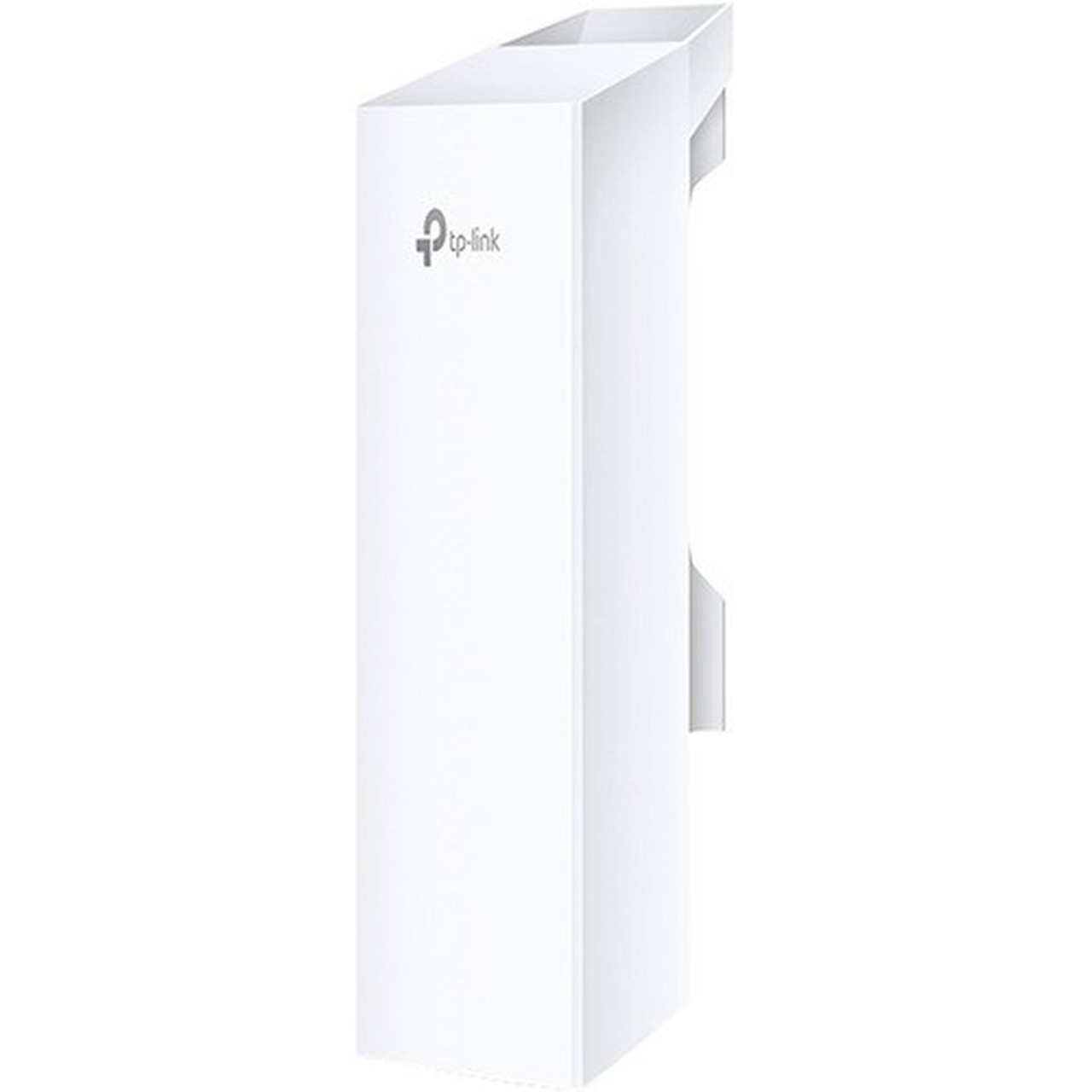
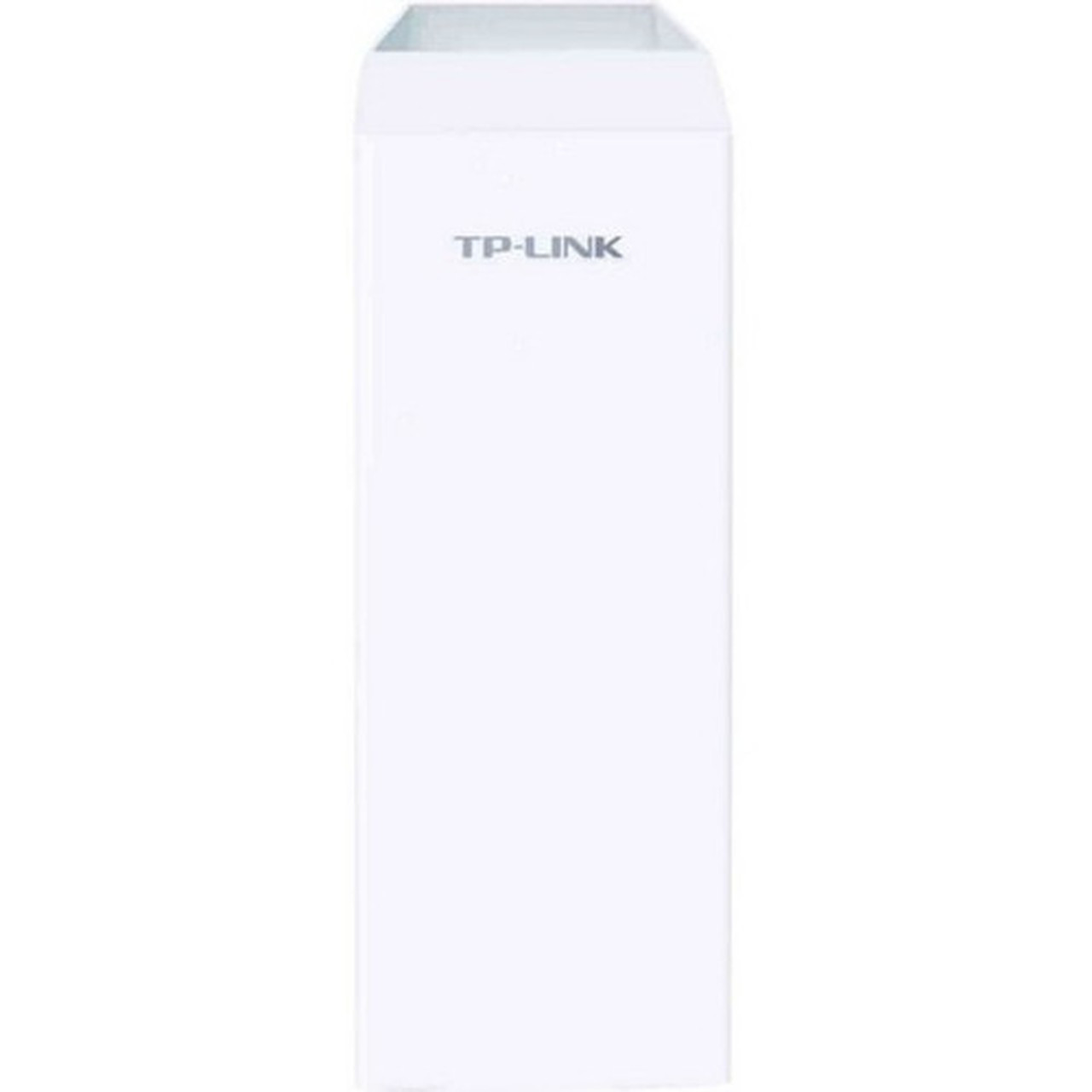




TP-LINK CPE210 Outdoor Wireless Bridge - 2.4GHz 300Mbps 9dBi - 802.11n - MIMO - Passive PoE - Pole-Mountable

Business volume discounts
Technical guidance
Preparation & staging
QC · ON · AB · BC
Product Features
Technical Overview
The CPE210 leverages MIMO (Multiple Input, Multiple Output) technology to enhance data throughput and signal reliability, even in environments with interference or obstacles. It supports adjustable transmission power from 0 to 27dBm (500mW), giving administrators control over coverage area and power consumption based on deployment needs.
System-level optimizations enable wireless transmissions exceeding 5 kilometers when used in paired configurations, supported by TP-Link's Pharos TDMA (Time Division Multiple Access) technology. This reduces latency and improves overall network performance in multi-device setups. The integrated encryption suite includes WPA, WPA2, WPA-PSK, WPA2-PSK, AES, TKIP, and WEP (64-bit, 128-bit, 152-bit) for secure data transmission.
Relevant factors for this section include Wireless LAN Standard, Frequency Band, Indoor/Outdoor, Ethernet Technology. When those points are considered together, they give buyers a clearer picture of how the product is equipped, how it fits into deployment, and what kind of day-to-day role it is meant to support.
Key Product Advantages
This wireless bridge stands out for its combination of long-range capability, flexible deployment options, and centralized management. The integrated directional antenna and adjustable power settings allow precise coverage tuning, while the pole-mount design and Passive PoE support reduce installation complexity and hardware costs.
Centralized Management
Pharos Control provides a unified interface for configuring, monitoring, and managing multiple CPE devices across a network, streamlining administration for WISP and enterprise deployments.
- Single-pane management
- Remote device reset
- Firmware updates
Operational Flexibility
Supports multiple modes including Access Point, Client, AP Router, and AP Client Router (WISP), adapting to various network roles without requiring different hardware models.
- Four operation modes
- WISP compatibility
- Role-based configuration
Deployment / Use Cases
The CPE210 is ideal for extending network connectivity across distances where running Ethernet cable is impractical or too expensive. Its outdoor rating and long-range capabilities make it particularly valuable for connecting separate buildings, surveillance camera networks, or temporary installations.
Common applications include linking remote offices or warehouses, providing internet access to outbuildings or agricultural facilities, and creating backbone links for wireless internet service providers (WISPs). The device can also serve as a client bridge for connecting individual devices or small networks to a central access point.
Building-to-Building Connectivity
Establish reliable wireless links between separate structures up to 5km apart, avoiding costly trenching or leased lines while maintaining enterprise-grade security and performance.
WISP Backhaul & Client Access
Deploy as point-to-point backhaul for distributing internet service or as client devices for end-user connections, with centralized management through Pharos Control for efficient network operations.
Physical Profile
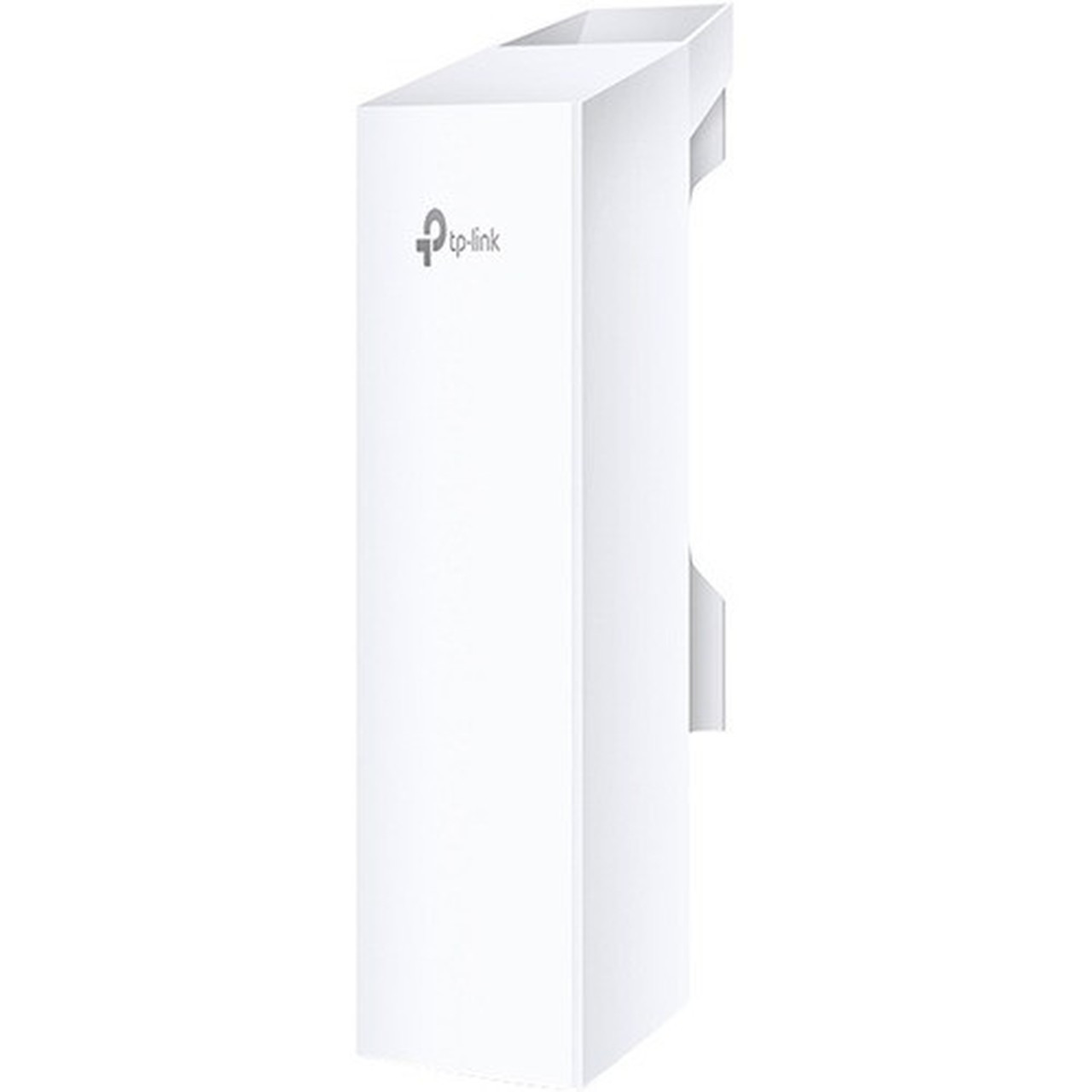
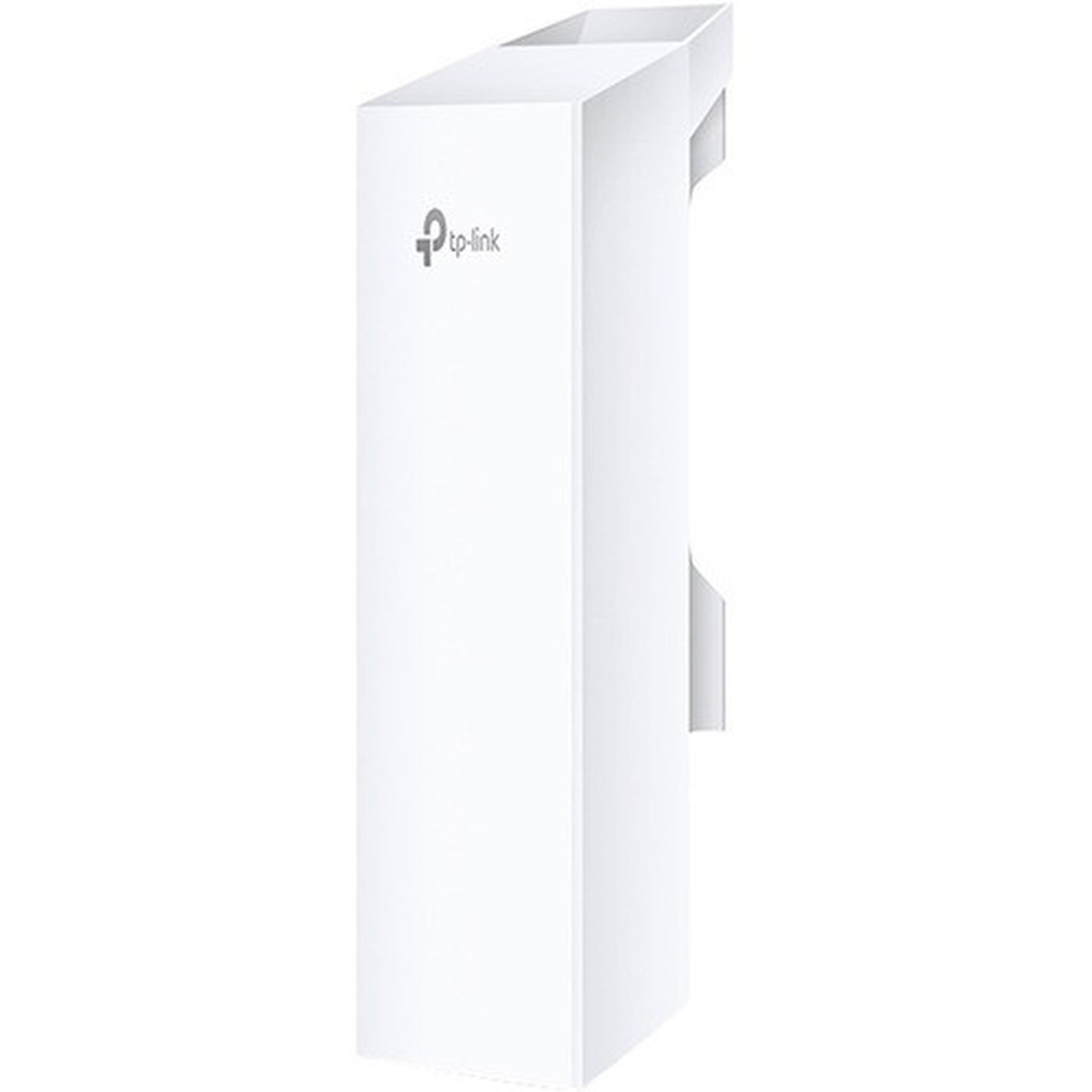
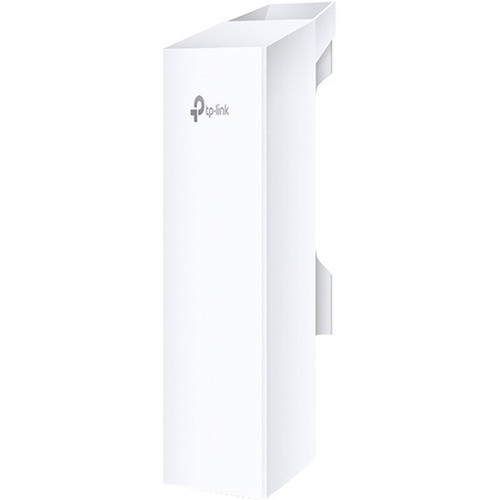
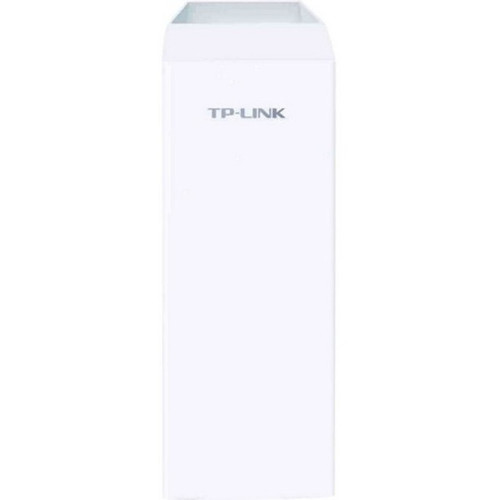
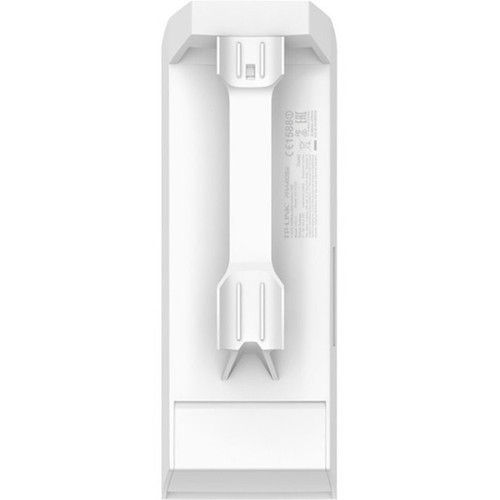
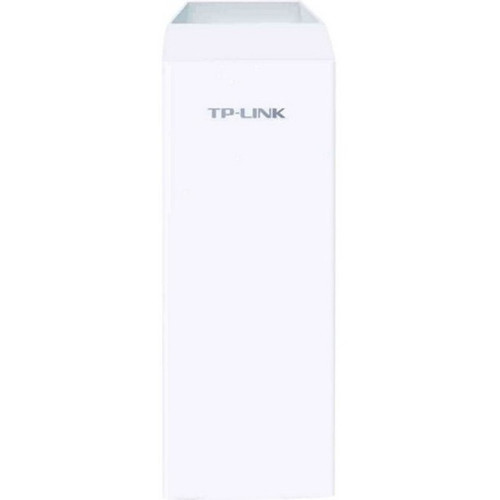
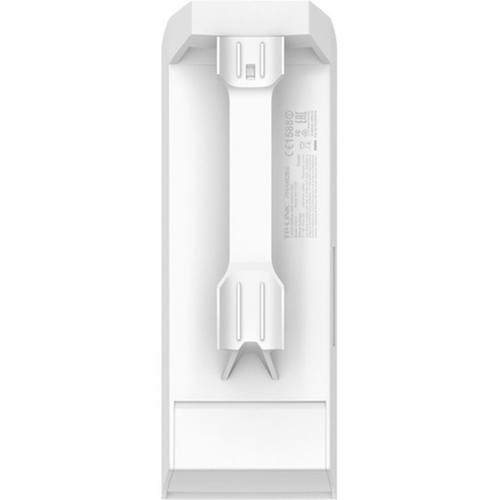
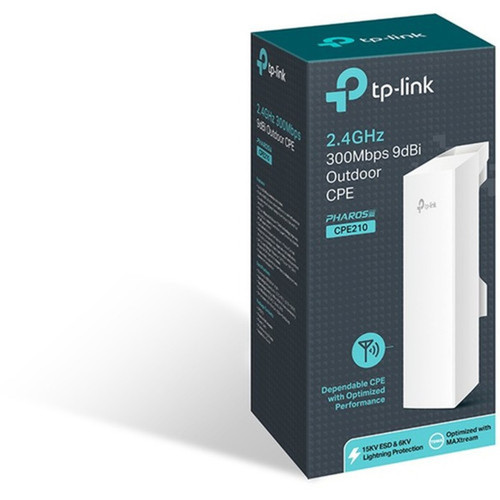
The compact, rectangular enclosure measures 2.40" high, 8.80" wide, and 3.10" deep (60.96 x 223.52 x 78.74 mm), designed with a low-profile silhouette that minimizes wind load when pole-mounted. The included mounting straps secure the unit to standard poles or masts, while the weather-resistant construction ensures reliable operation in outdoor conditions ranging from direct sunlight to precipitation.
The physical profile is practical for deployment planning because the dimensions and weight are clearly defined: 2.40" (60.96 mm), 8.80" (223.52 mm), 3.10" (78.74 mm). This helps confirm rack, shelf, desk, or cabinet fit before installation.
- Width
- 8.80" (223.52 mm)
- Depth
- 3.10" (78.74 mm)
- Height
- 2.40" (60.96 mm)
What's in the Box
The package includes all necessary components for immediate deployment and operation.
Highlights
- Outdoor-rated wireless bridge for 2.4GHz 300Mbps connectivity
- Built-in 9dBi directional MIMO antenna for focused signal strength
- Adjustable transmission power (0-27dBm/500mW) for coverage control
- Passive PoE support with included adapter for up to 60m deployment
- Pole-mountable design with included straps for flexible installation
- System optimizations for over 5km range in point-to-point setups
- Pharos TDMA technology improves throughput and reduces latency
- Centralized management via Pharos Control for multi-device networks
- Supports AP, Client, AP Router, and AP Client Router (WISP) modes
- Comprehensive encryption including WPA2, AES, and WEP variants
Specifications
| Specifications | |
|---|---|
| Manufacturer | TP-LINK Technologies Co., Ltd |
| Manufacturer Part Number | CPE210 |
| Brand Name | TP-Link |
| Product Model | CPE210 |
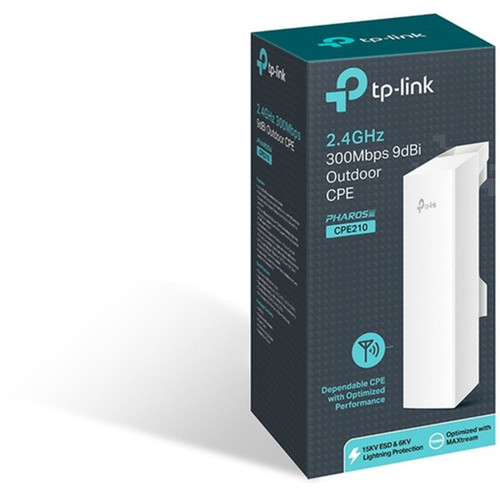
| Product Name | 2.4GHz 300Mbps 9dBi Outdoor CPE |
| Product Type | Wireless Bridge |
| Technical Information | |
| Wireless LAN Standard | IEEE 802.11n |
| Frequency Band | 2.48 GHz |
| Indoor/Outdoor | Outdoor |
| Wireless Transmission Speed | 300 Mbit/s |
| MIMO Technology | Yes |
| Data Encryption | Yes |
| Encryption Standard | WPA,WPA2,WPA-PSK,WPA2-PSK,AES,TKIP,64-bit WEP,128-bit WEP,152-bit WEP |
| Interfaces/Ports | |
| Ethernet Technology | Ethernet,Fast Ethernet |
| Number of Network (RJ-45) Ports | 1 |
| PoE (RJ-45) Port | Yes |
| PoE PD Port | Yes |
| VGA | No |
| HDMI | No |
| USB | No |
| Powerline | No |
| Management Port | No |
| Power Description | |
| Power Consumption | 10.50 W |
| Physical Characteristics | |
| Form Factor | Pole-mountable |
| Height | 2.40" (60.96 mm) |
| Width | 8.80" (223.52 mm) |
| Depth | 3.10" (78.74 mm) |
| Miscellaneous | |
| Package Contents | 2.4GHz 300Mbps 9dBi Outdoor CPE 24V 1A Passive PoE Adapter Pole Mounting Straps AC Power Cord Installation Guide |
| Environmentally Friendly | Yes |
| Country of Origin | China |
User Manual
FAQ
What wireless standard does the CPE210 use, and what speeds does it support?
The CPE210 operates on the IEEE 802.11n standard in the 2.4GHz frequency band, delivering wireless transmission speeds up to 300Mbps. This provides sufficient bandwidth for data transfer, internet access, and video streaming in point-to-point or point-to-multipoint bridge configurations.
How does the built-in antenna design benefit outdoor deployments?
The integrated 9dBi 2x2 dual-polarized directional MIMO antenna focuses signal strength in a specific direction rather than radiating equally in all directions. This directional characteristic improves range and signal quality over long distances while reducing interference from other sources, making it ideal for targeted bridge links between fixed locations.
What PoE capabilities does this wireless bridge offer?
The CPE210 includes a Passive PoE PD (Powered Device) port that accepts power over the same Ethernet cable used for data transmission. The included 24V 1A Passive PoE adapter supports deployments up to 60 meters (200 feet), allowing both power and data to be delivered from a central location without requiring separate power infrastructure at the installation point.
What mounting options are available for installation?
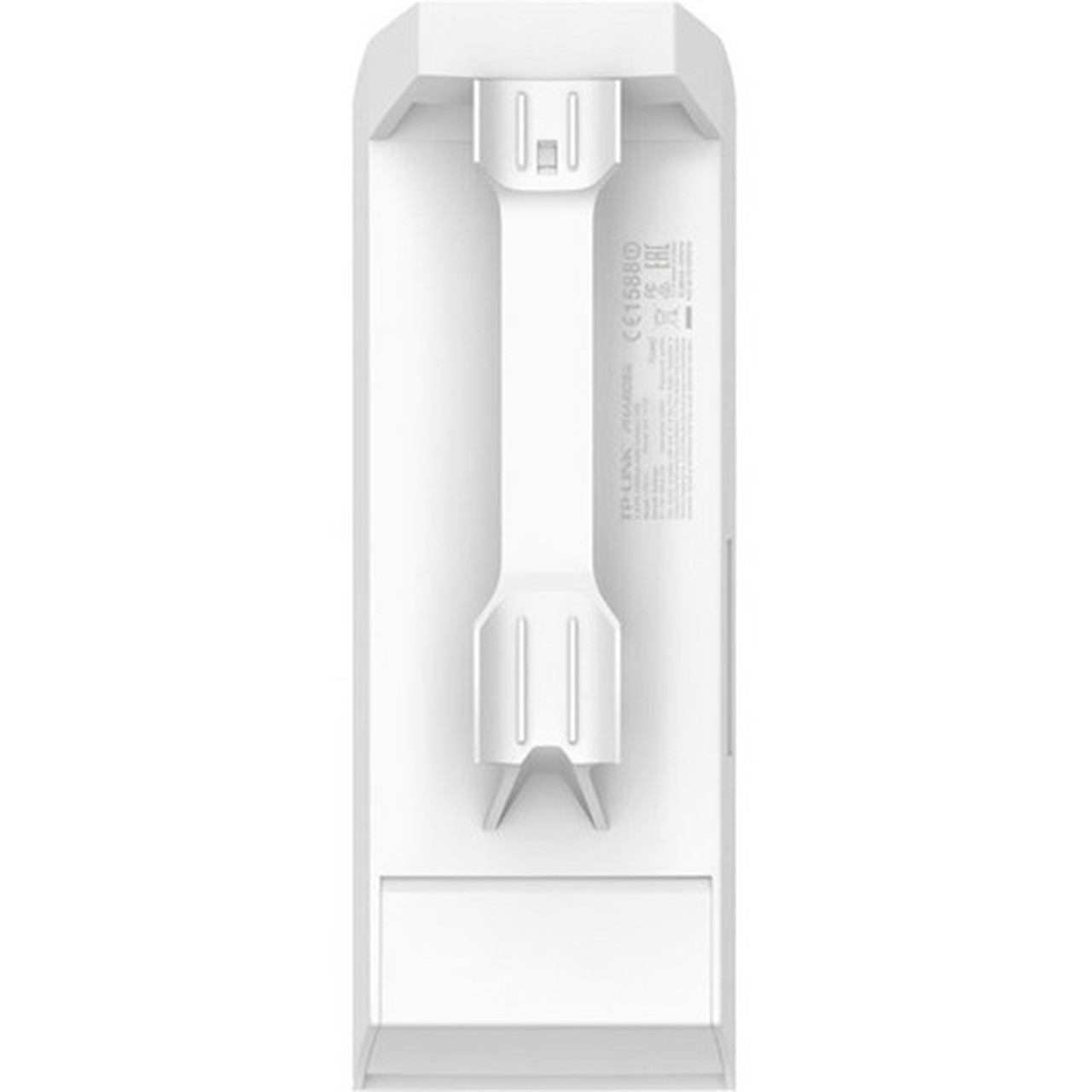
This bridge features a pole-mountable form factor with included mounting straps that secure the unit to standard poles, masts, or similar structures. The compact dimensions and low-profile design minimize wind resistance, while the weather-resistant construction ensures reliable operation in outdoor environments exposed to sun, rain, and temperature variations.
What management features are available for network administration?
The CPE210 can be managed individually or as part of a larger deployment using TP-Link's Pharos Control centralized management system. This provides a unified interface for configuration, monitoring, firmware updates, and remote reset capabilities across multiple devices, significantly reducing administrative overhead in WISP or multi-site enterprise environments.
What security protocols does this bridge support for data protection?
Comprehensive encryption standards include WPA, WPA2, WPA-PSK, WPA2-PSK, AES, TKIP, and multiple WEP variants (64-bit, 128-bit, 152-bit). This layered security approach allows administrators to select the appropriate protection level for their specific deployment requirements, ensuring data confidentiality across wireless bridge connections.
| Qty | Price | Available |
|---|